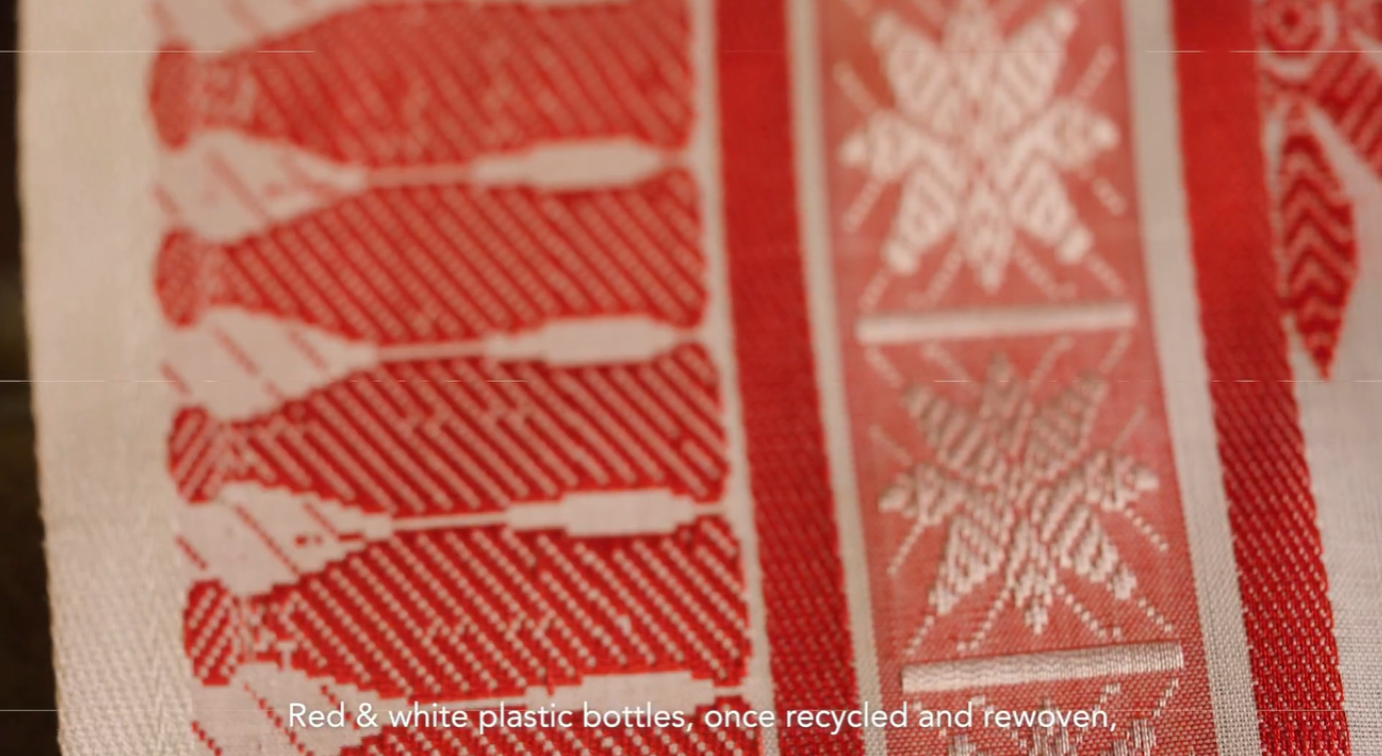
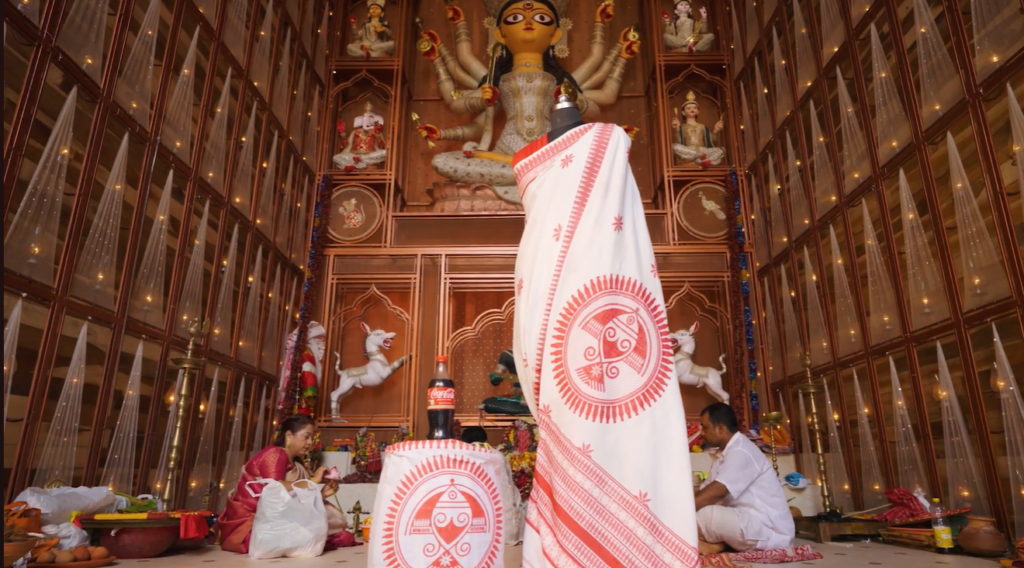
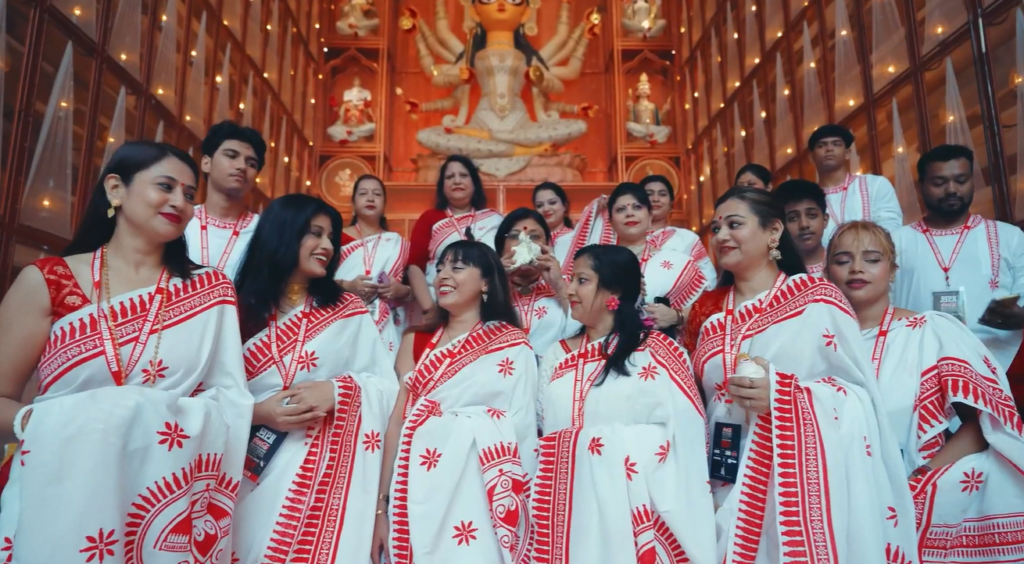
The Laal Paar is not simply a garment. It is the visual identity of Durga Puja. The white saree with its distinctive red border has been worn by Bengali women during the festival for generations, its colours so associated with the occasion that the sight of it alone signals the arrival of the five most important days in the Bengali calendar. Coca-Cola is also red and white. It has been red and white for over a century. Ogilvy India noticed the coincidence and built a campaign around it that was simultaneously a sustainability initiative, a craft preservation effort, and one of the most culturally specific brand activations produced for an Indian festival in 2025.
The Observation That Started It
Sujoy Roy, Chief Creative Officer at Ogilvy North, described the idea’s origin with the precision that the campaign deserved: “Icon meets icon. Bengal’s red and white and Coke’s red and white are instantly recognisable on their own, but when woven together, they became something larger, something more meaningful. This one-of-a-kind sari walked into the culture and found its presence on social feeds. Sustainability met tradition, and for a moment, brand and culture became indistinguishable.”
The colour observation is the campaign’s entire structural foundation. A Laal Paar saree and a Coca-Cola logo share the same palette. That fact, visible in plain sight for as long as both have existed in Bengal, had never been made into a campaign. WPP Open X, led by Ogilvy India, made it into one.
The Artisans
The sarees were not produced in a factory. They were crafted by master weavers from Phulia, a village in the Nadia district of West Bengal near Kolkata that is recognised globally for its handloom tradition. Phulia’s weavers have sustained the region’s textile heritage across generations, producing the fine cotton sarees that have defined Bengali festive dress for centuries. The block-print artisans who worked on the collection came from the suburbs of Kolkata, where the practice of hand block printing, using carved wooden blocks to apply motifs to fabric, remains alive in a small community of craftspeople for whom the skill is both a livelihood and an inheritance.
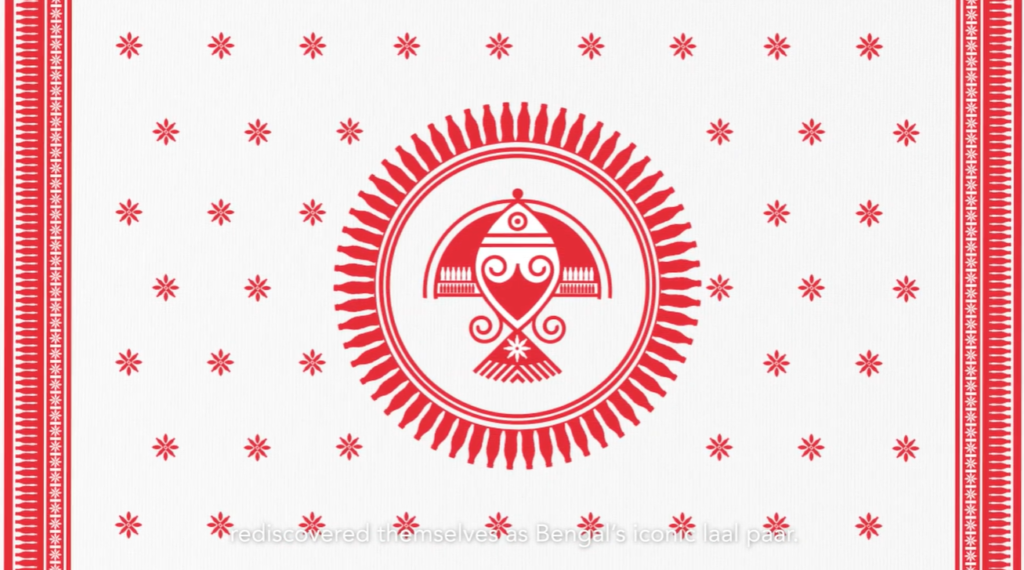
The campaign’s creative brief gave the artisans two traditional Bengali motifs to work with. The Shiuli flower, a small white blossom that falls at dawn during the Durga Puja season and whose appearance each year marks the festival’s imminent arrival, was block-printed across the saree’s fabric. The fish, a symbol of prosperity and abundance in Bengali culture, appeared alongside it. Both motifs are so embedded in the visual vocabulary of the Puja season that they require no explanation to a Bengali audience. The Coca-Cola contour bottle was woven into the design as the contemporary addition, sitting within the traditional motif landscape rather than displacing it.
The Material
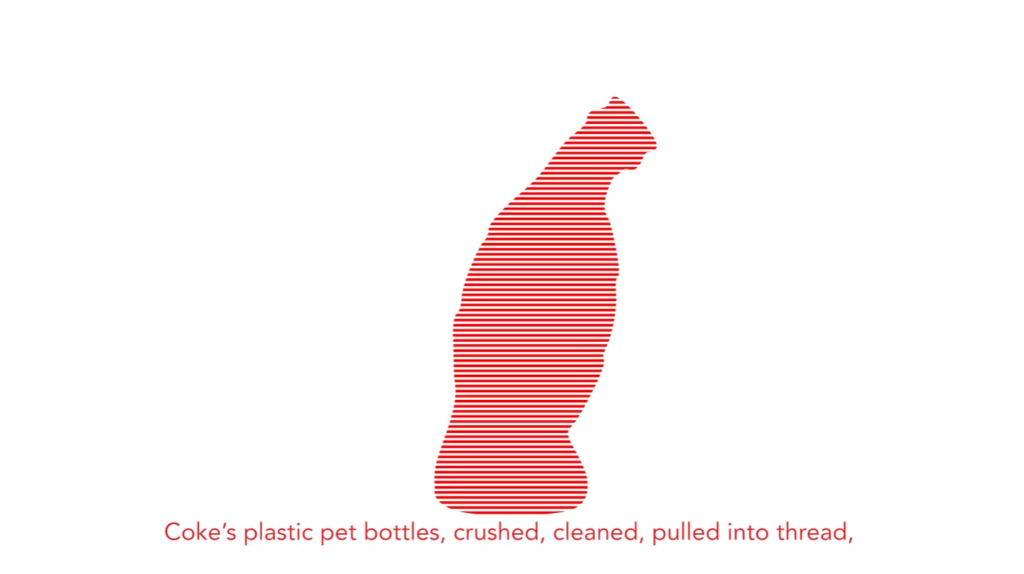
The sarees were made using a blend of cotton and recycled PET yarn. PET, polyethylene terephthalate, is the plastic used in Coca-Cola bottles. The yarn in each saree was produced by processing that plastic waste, spinning it into a fibre that could be woven alongside cotton to create the saree’s body. The red border, the defining element of the Laal Paar, was produced in Coca-Cola’s specific shade of red.
The material choice connects the campaign’s cultural argument to a sustainability argument with unusual directness. Most brand sustainability initiatives exist in a separate campaign register from the core creative idea. The Laal Paar sarees make them the same thing. The recycled plastic is the yarn. The yarn is the saree. The saree is the Puja garment. Every element of the supply chain, from the plastic bottle to the festival, is visible in the finished object.
Not for Sale
The sarees were not available for purchase. The initiative was designed to support the livelihoods of the artisans involved during a period when handloom weaving and traditional block printing face sustained economic pressure from mass-produced alternatives. Producing a limited collection of handcrafted sarees for the campaign gave the Phulia weavers and Kolkata block-print artisans paid work during the festival season while creating objects that carried both the brand’s identity and the craft’s heritage.
The decision not to sell the sarees is the campaign’s most considered strategic move. A product for sale is advertising. A product not for sale, crafted by traditional artisans using a brand’s recycled plastic and gifted during the festival that matters most to the community, is cultural participation. The distinction changes how the campaign is received and how it travels.
The Cultural Alignment
Coca-Cola has operated in West Bengal for decades. Its brand presence during Durga Puja is visible across the state on billboards, pandal sponsorships, and point-of-sale material. The Laal Paar campaign is a departure from that presence not because it is more visible but because it is more specific. It does not simply place the brand within the festival. It finds the point where the brand’s own visual identity and the festival’s most iconic garment are already the same thing, and makes that coincidence explicit through an object that could only have been made in Bengal for Durga Puja by people who have been making things in Bengal for generations.
As the campaign’s launch communication described it: “Coca-Cola celebrates festivals in ways that bring people together, and this initiative keeps Bengal’s craft and joy alive.”
Campaign Name: Laal Paar Sarees
Agency Name: WPP Open X led by Ogilvy India / CCO Ogilvy North: Sujoy Roy
Brand Name: Coca-Cola India
Location: West Bengal, India (Durga Puja, October 2025)