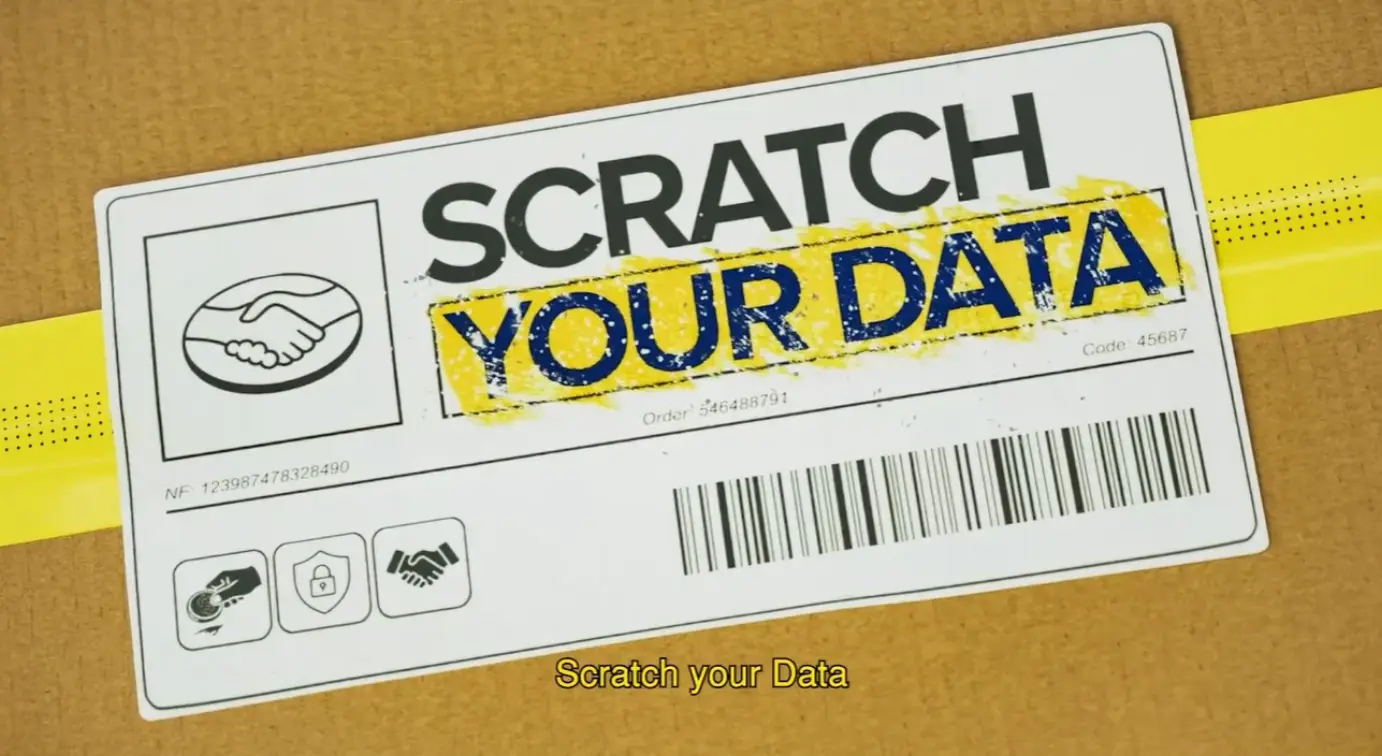
Mercado Livre is putting a scratch panel on its shipping labels. When a parcel arrives, the buyer scratches over their own name and address until the details can no longer be read, and a discount coupon appears underneath. The campaign is called “Scratch Your Data,” or “Raspe seus Dados” in Portuguese. It asks Brazilians to wipe their personal details off delivery boxes before throwing them away.
What Sits Under the Address
During transit the label works like any other, carrying the address the courier needs. The change only matters after delivery. The recipient scratches the marked area, the top layer comes off, and the printed information becomes unreadable. The label stays on the box, so there is nothing to peel or tear.
Under the scratched data sits the reward, a coupon for the next purchase. Mercado Livre limited the special labels to the first 3,000 purchases made through the campaign’s landing page from March 15, Brazil’s Consumer Day. Leograf printed the labels, and Produceria handled project development.
The Risk Inside the Rubbish Bin
A delivery label carries a full name and a home address. Once the box goes out with the rubbish, anyone who picks it up can read both. Data scams are a real concern for Brazilian shoppers, and a discarded box is one more place for that data to leak.
Fast Company Brasil reported figures it attributed to Procon, Brazil’s consumer protection body. About 32 million people in Brazil were blackmailed with leaked data in a single year. More than 120 million had their data accessed and sold by criminal groups, and an average of 56 million Brazilians were hit by online financial scams.
Why the Coupon Is Part of the Design
The coupon is what makes people actually do the scratching. Iuri Maia, director of brand strategies at Mercado Livre, said: “When we talk about data protection, we’re talking about an ongoing responsibility.” He added that “the coupon serves as an incentive to transform this awareness into a habit.”
The reward is tied directly to the behaviour. The buyer sees the coupon only once their name and address are gone, so claiming it and protecting themselves are the same action.
The Face Explaining the Habit
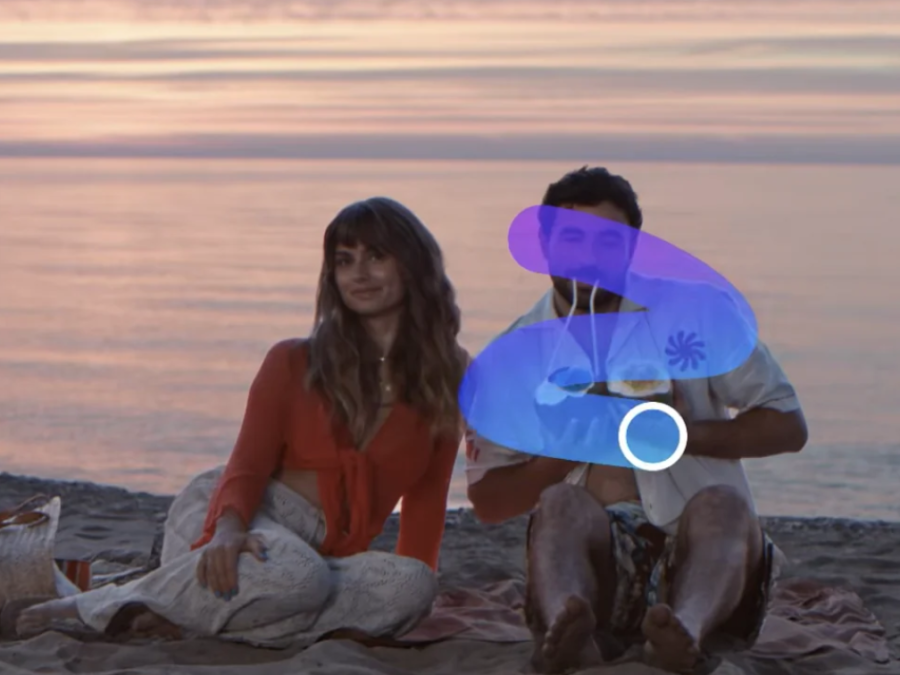
The campaign opened with a manifesto film starring Brazilian TV presenter Marcos Mion, who shows the right way to remove data from a label. Production company Vision shot the film, with MAví directing.
Shoppers who didn’t get a special label could still take part. Mercado Livre released coupons through its social channels. On X, coupons unlocked once the official post reached a set number of comments. Details ran on the brand’s Instagram Stories, and creators made native content for TikTok.
What the Agency Wants People to Copy
GUT São Paulo created the campaign. Tiago Abreu, CCO of GUT, said: “The idea is to create the habit of deleting your data from anything you receive daily.” He said Mercado Livre was the first brand to think of the idea, but the invitation covers anything people receive in their name.
That makes the label a lesson more than a packaging feature. Bills, letters and parcels all carry the same details, and Mercado Livre is using its own boxes to teach people to erase them.
Campaign Name: Scratch Your Data (Raspe seus Dados)
Agency Name: GUT São Paulo
Brand Name: Mercado Livre (Mercado Libre)
Location: Brazil