Most music streaming campaigns tell you that the platform has the songs you love. Spotify India’s “Roz ke kaam fun banao, Spotify Chalao” tells you something more specific: the songs you love are the reason you finished ironing without noticing.
The Campaign
Launched in September 2026 and created with Leo India, the campaign consists of eight films across five languages: Hindi, Tamil, Telugu, Malayalam, and Bhojpuri. Each film is set in an ordinary household. Someone is ironing, washing dishes, mopping, or fixing a lightbulb. And someone else is watching them do it, increasingly baffled by what they are seeing.
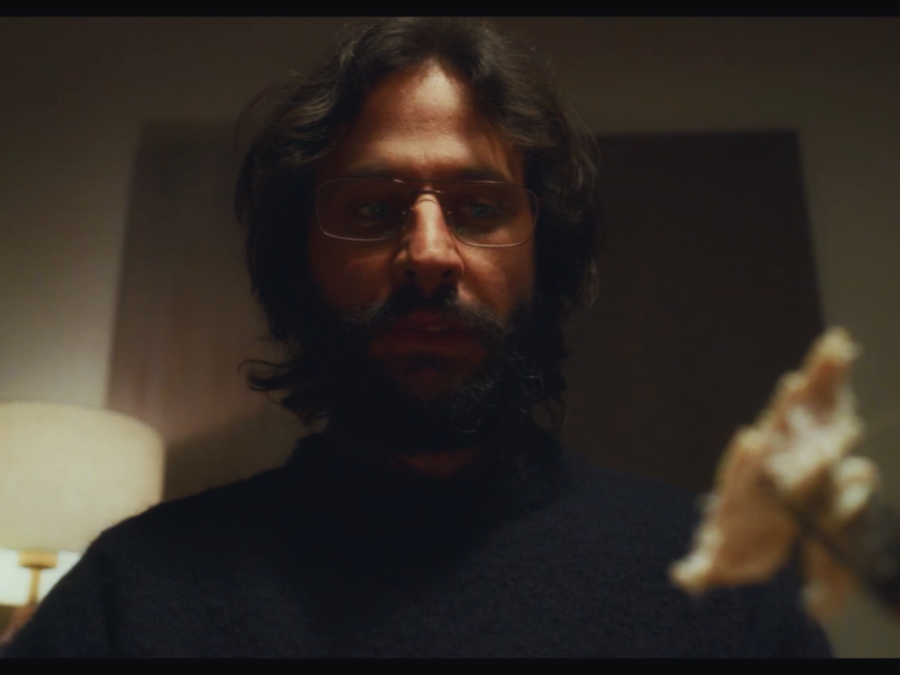
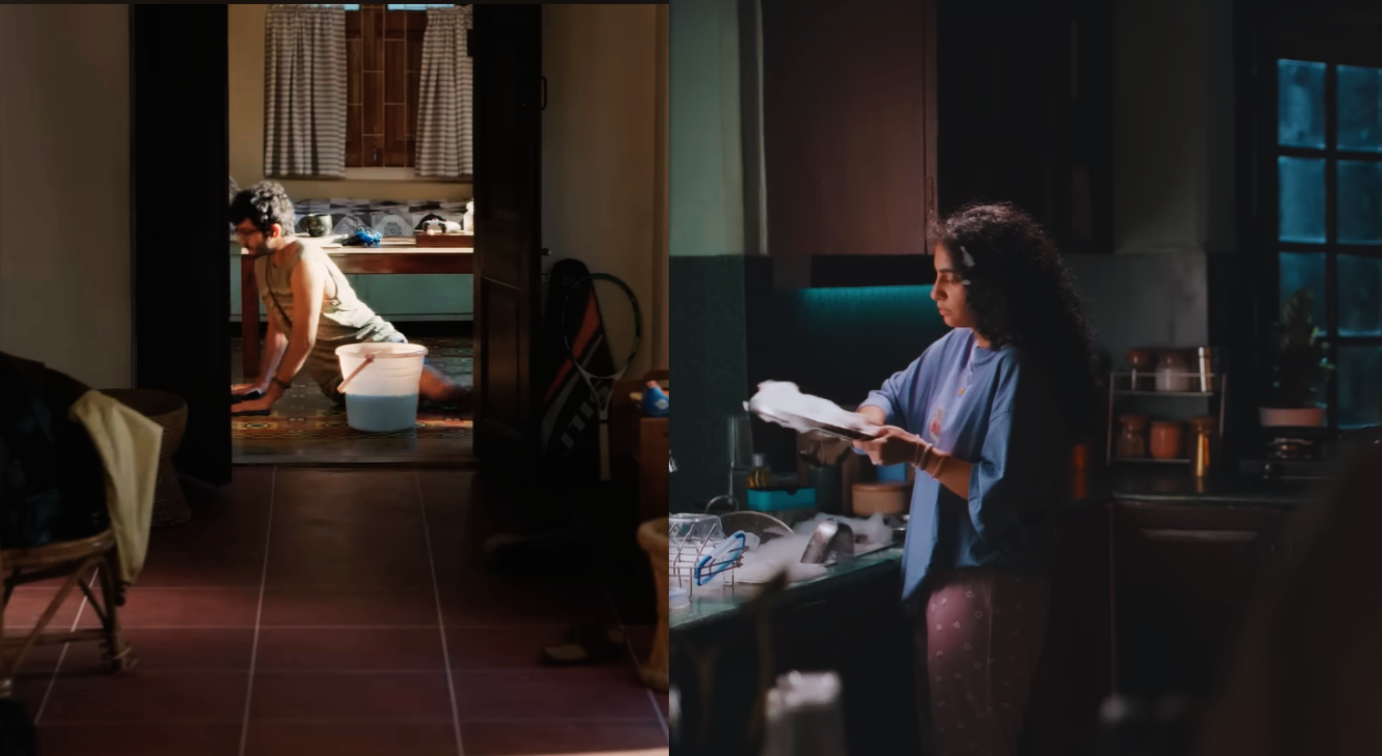
The most discussed film in the series opens with a husband adjusting his hairstyle while his wife irons clothes across the room. She keeps saying “Aha!” He assumes she is admiring him. He adjusts his hair again. She says it again. He grins. She is singing along to a Spotify track and has not looked up once. Another film shows a roommate attacking a sink of dirty dishes with the energy of someone who has been waiting their whole life to wash up, completely absorbed in the rhythm of whatever is playing through their earphones, every utensil emerging spotless.
The tagline translates from Hindi as: “Make everyday tasks fun, play Spotify.”
The Research Behind It
The campaign is grounded in Spotify’s own research into its Indian user base. 97% of Indian Spotify users say the platform makes mundane activities more enjoyable and makes everyday life better. 98% say Spotify is essential to their daily routine. 71% say they feel relaxed when using it.
Those numbers describe a platform that has moved from being a music library into being a daily life infrastructure. The campaign is built to communicate that shift without stating it directly. A woman singing “Aha!” while ironing, a man scrubbing dishes like a professional cleaner, a person mopping with the commitment of someone whose floor has never mattered more: the research becomes visible in the behaviour.
Shipra Srivastava, Head of Marketing at Spotify India, described the insight: “There’s something universal about how music changes the texture of a moment. We didn’t want to show music as a backdrop. We wanted to show it as the reason the whole thing felt different.”
The Five-Language Strategy
The decision to produce eight films across Hindi, Tamil, Telugu, Malayalam, and Bhojpuri is a production commitment that reflects Spotify’s approach to the Indian market since its 2019 launch. India is not a single music market. It is dozens of overlapping music markets, each with its own language, its own catalogue, its own relationship between daily life and the songs that accompany it.
Producing the campaign in five languages rather than dubbing or subtitling a single Hindi film into regional versions is the difference between a national campaign and a genuine attempt to speak to the specific everyday life of a family in Chennai, a household in Hyderabad, or a shared apartment in Varanasi. The chores are the same. The songs are not. The campaign does not pretend otherwise.
The Controversy the Campaign Generated
The work received an unexpected additional news cycle when advertising professionals on social media noted its resemblance to JioSaavn’s 2022 campaign, #FindYourDhun, created by Creativeland Asia, which used a similar premise: people becoming absorbed in music while doing ordinary things, observed by confused onlookers. Karthik Srinivasan, a well-known Indian marketing commentator, drew attention to the parallel. Spotify and Leo India have not responded publicly to the comparison.
The similarity debate is separate from the campaign’s commercial effectiveness. The films have generated positive audience response, the research underpinning them is platform-specific and credible, and the multilingual production strategy gives the campaign a reach that any single-language execution would not have achieved. Whether the underlying creative idea was original is a different question from whether the execution served the brand.
The Scale of the Platform Behind It
Spotify launched in India in 2019. By 2026, Indian artists were being streamed nearly 335 billion times annually on the platform, with streams in international markets growing by more than 2,000% between 2019 and 2023. The platform describes itself as the most-loved audio streaming service in India among Gen Z and millennials.
The “Roz ke kaam fun banao” campaign is not addressing a brand awareness problem. Spotify is known in India. The campaign is addressing something subtler: the moment when awareness converts into habitual daily use, when a product stops being something you open occasionally and becomes something you open before you pick up the iron.
Campaign Name: Roz ke kaam fun banao, Spotify Chalao
Agency Name: Leo India (Leo Burnett India)
Brand Name: Spotify India
Location: India (TV, digital, social media; five weeks from September 2026)