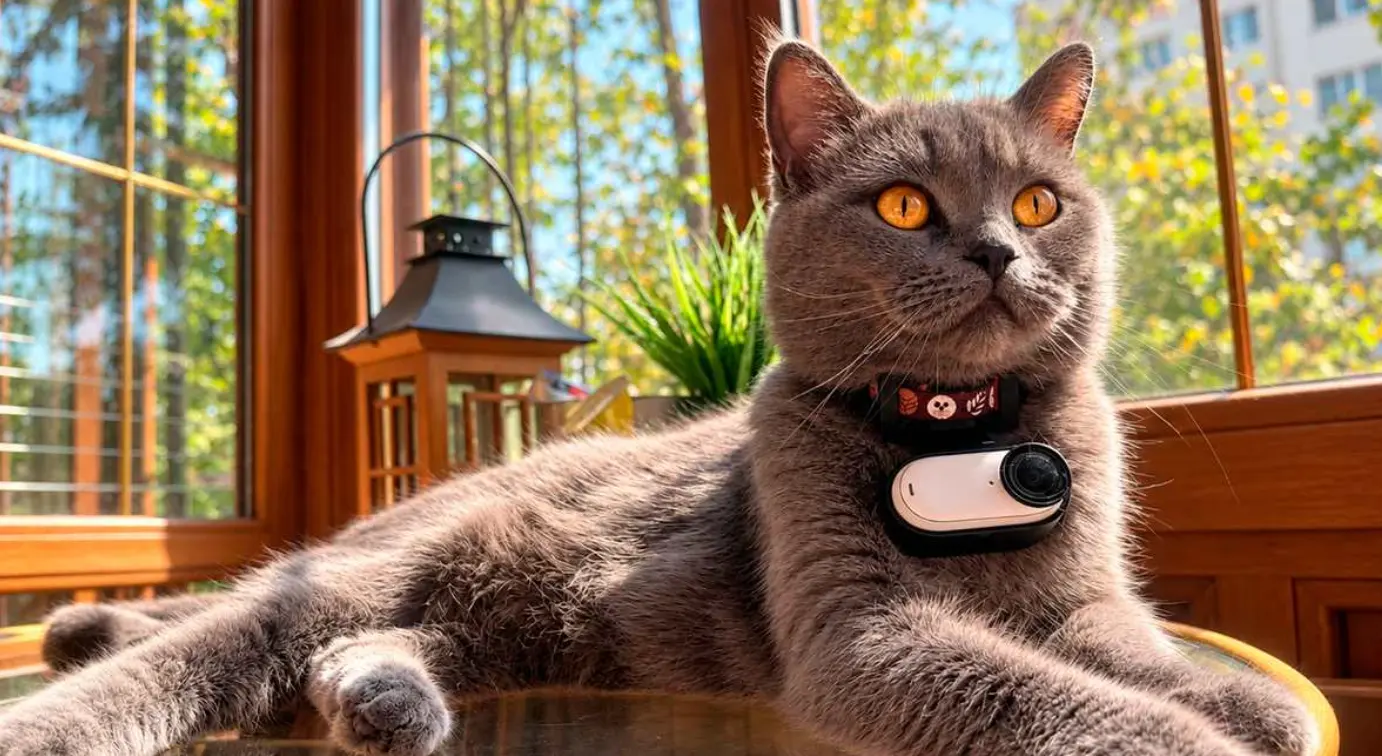
Whiskas has hired outdoor cats in Kazakhstan as detectives. Each one wears a small camera and a GPS tracker on its collar and films the other cats it meets on its usual rounds. AI checks the footage against a database of missing pets and alerts owners when it finds a possible match. The cats are paid in food, and the campaign is called “True CATectives.”
The Numbers Cat Owners Fear
Ogency’s research found that one in three cats runs away from home at least once. Dogs make it back in 85% of cases, but fewer than half of missing cats return. According to the project, more than 100 cats go missing in Kazakhstan every day. Among cat owners, 36% have lost a pet themselves and 99% fear it could happen.
Pet food brands had mostly stayed away from the subject. Recovery rates were low and lost cats are hard to find, which made it a difficult promise for any brand to make.
How the Search Bot Works
The campaign runs on a Telegram bot, @GdeKotBot, which Whiskas backed when it launched in Almaty in 2025. The name roughly means “Where’s the cat.” Owners upload a photo of their missing pet and the spot where it vanished. Anyone who sees a cat outside can send a photo with its location. AI compares the images and notifies the owner when it finds a likely match.
Missing pet notices also appear on nearby Citix smartboards and on the 2GIS map. A “Neighborhood Radar” feature lets people subscribe to alerts for their own district. The bot started in Almaty and has since spread across Kazakhstan.
Where the Detectives Came From
The bot only works if enough people are looking. With winter coming and no budget for social media, the team needed more searchers fast.
It used the platform’s own data to find the neighbourhoods with the most missing cats, focusing on Almaty’s Auezov, Turksib, Bostandyk and Almaly districts. Then it recruited local owners whose cats already roam outside and signed the cats up as detectives. Each cat wore a collar with a micro camera and GPS tracker on its normal walks and earned its own food.
The cats reached places people struggle to get to. AI scanned the footage, compared every cat on camera with the missing pet database, and sent owners a notification with the location of any likely match. The detectives’ owners could also follow their own cat’s adventures.
What the Cameras Were Really For
The team did not expect the cat detectives to find many missing pets. Their real job was to create content and a news story strong enough to bring new people into the search. The footage also helps train the AI to recognise cats in poor light and in blurry, moving shots.
Alexey Leybovich, chief creative officer of Ogency, put the problem simply. “One in three cats runs away from home at least once,” he said.
What the Campaign Delivered for Whiskas
The project ran on a budget of under $5,000, with nothing spent on PR. According to the agency, more than 600 media outlets, Telegram channels and blogs worldwide covered it, generating more than 34 million impressions. Thousands of cat owners joined the platform. Whiskas reports a 7.3% sales uplift and a 1.5 percentage point gain in market share.
Across the whole project, the bot now has more than 28,000 users and has helped reunite 407 pets with their owners. The original bot won Epica Gold and was shortlisted at Cannes Lions.
Whiskas sells food to cats. In Almaty, it used that food to put cats to work bringing other cats home.
Campaign Name: True CATectives
Agency Name: Ogency (PR support by BLVD Agency)
Brand Name: Whiskas (Mars)
Location: Almaty, Kazakhstan