The average American eats nearly 100 pounds of chicken every year. That works out to roughly seven chicken dinners a week. Aquamar, a ready-to-cook seafood brand, looked at that statistic and saw it for what it is: not a dietary choice but a condition. They called it Chickensanity, made a film about it, and cast a family as the unwitting victims.
The Campaign
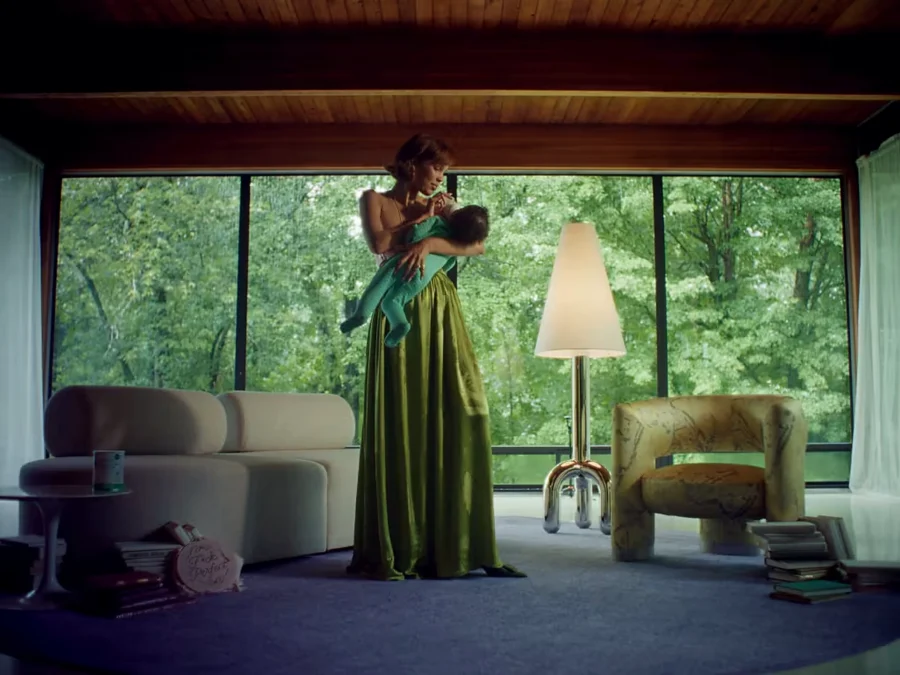
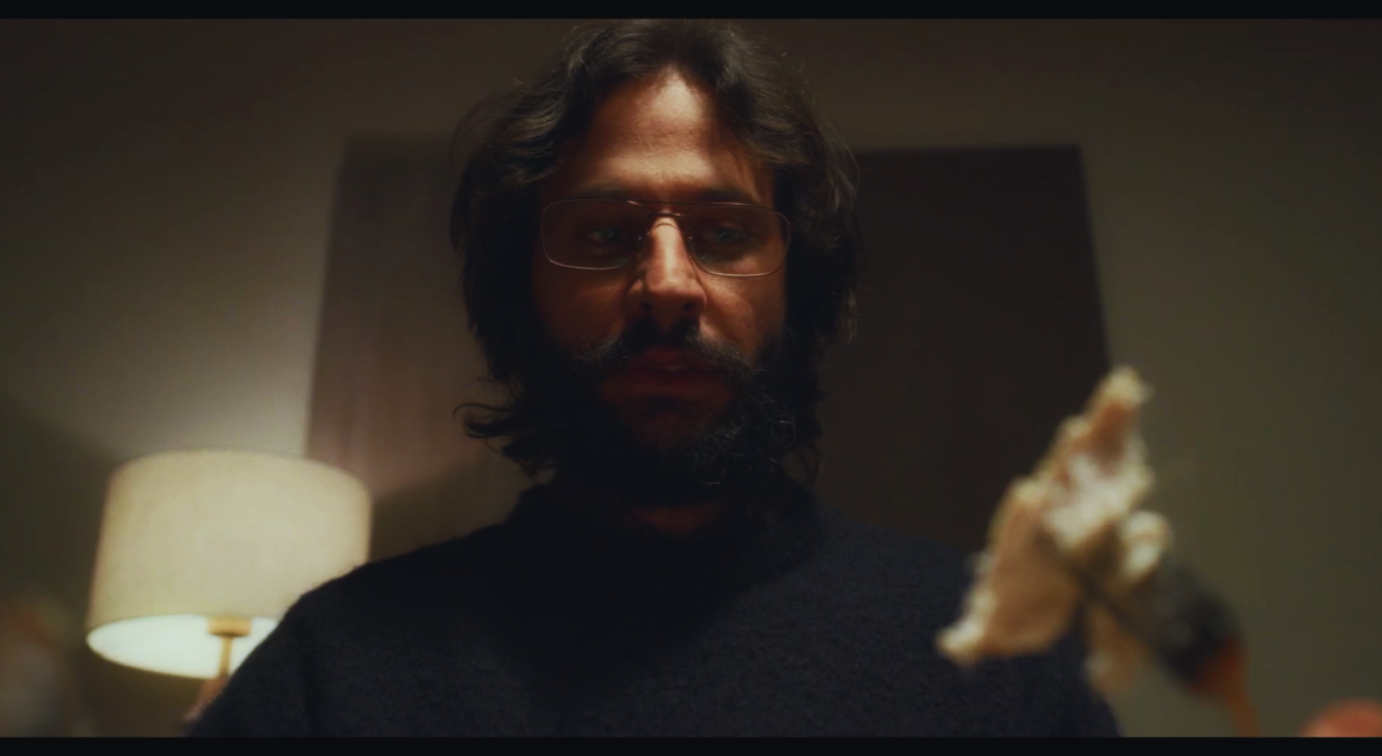
Chickensanity is an integrated campaign published in Canada and the United States in September 2026, created by ONE23WEST. The hero film is a psychological thriller. A family sits down to dinner. Chicken. They sit down again. Chicken. Again. Chicken. The loop is endless, haunting, and increasingly surreal, as the repetition of the same meal becomes something the family can no longer escape or explain.
The film borrows the visual grammar of horror without the violence: the same table, the same plates, the same expressions of glazed resignation, repeating until the pattern itself becomes the source of dread. Dinner, one of the most ordinary domestic rituals in American life, becomes something closer to a trap.
The break arrives with Aquamar. A can of easy-to-prep seafood appears and the loop is interrupted. The family snaps out of it. The film’s implicit argument is that the interruption was the most dramatic thing that happened to them in months.
The Competitive Logic
Most seafood brands position themselves against other seafood brands. Aquamar identified a different competitor: the entire habit of chicken. The campaign does not claim that Aquamar’s seafood is tastier or more nutritious than chicken. It claims that chicken has achieved such dominance on the American dinner plate that it has become a form of captivity, and that Aquamar is the exit route.
That reframing is the campaign’s most considered strategic decision. Chicken is not a brand. It does not advertise back. It does not have a marketing budget defending its market share. It simply exists as the default, which is exactly why it is so powerful and exactly why treating it as competition rather than context produces a more honest picture of what Aquamar is actually up against.
The statistic that anchors the campaign, seven chicken dinners a week, 100 pounds a year, is not a fabrication for effect. It reflects documented US consumer behaviour data showing chicken’s extraordinary dominance of the animal protein category. American per capita chicken consumption surpassed beef in the mid-2000s and has continued rising every year since. Chickensanity is what happens when a category achieves that level of penetration.
The Film’s Tone
Directors Thomas Dagg and Tricia Zagremba, shooting on camera with DP Mark Zibert and Eric Kaskens, made a deliberate choice to play the premise for dread rather than comedy. The psychological thriller register is unusual for a food campaign. It is also more honest to the experience it is describing. There is nothing funny about the moment you realise you have eaten the same dinner seven times in a row without noticing it happen.
The sound design by Harry Knazan at Oso Audio extends the film’s tonal precision. A composer writing music for a domestic dinner scene that is also a horror film has a specific challenge: the score needs to make the ordinary feel wrong without ever announcing itself as sinister. The execution makes the loop audible as well as visible.
Why Aquamar
Aquamar makes ready-to-cook seafood products designed to make fish and shellfish as simple to prepare as chicken. The brand’s commercial problem is not that consumers dislike seafood. It is that seafood carries a perception of complexity and effort that chicken does not. Chickensanity does not address that perception directly. It addresses the emotional exhaustion of the chicken habit instead, which is the more effective entry point. A consumer who has just watched a family trapped in an infinite loop of chicken dinners is more receptive to the ease of Aquamar’s products than one who has just been told that cooking fish is simpler than they thought.
Campaign Name: Chickensanity / Break Free from Chickensanity
Agency Name: ONE23WEST / Creative Directors: Jeff Harrison, Mooren Bofill, Rob Sweetman, Jordan Hamer, Spencer Ryan / Directors: Thomas Dagg, Tricia Zaremba / Production: Scouts Honour / Post Production: Nimiopere Editorial / VFX: Tantrum / Audio: Oso Audio
Brand Name: Aquamar
Location: Canada and United States (integrated; September 2026)