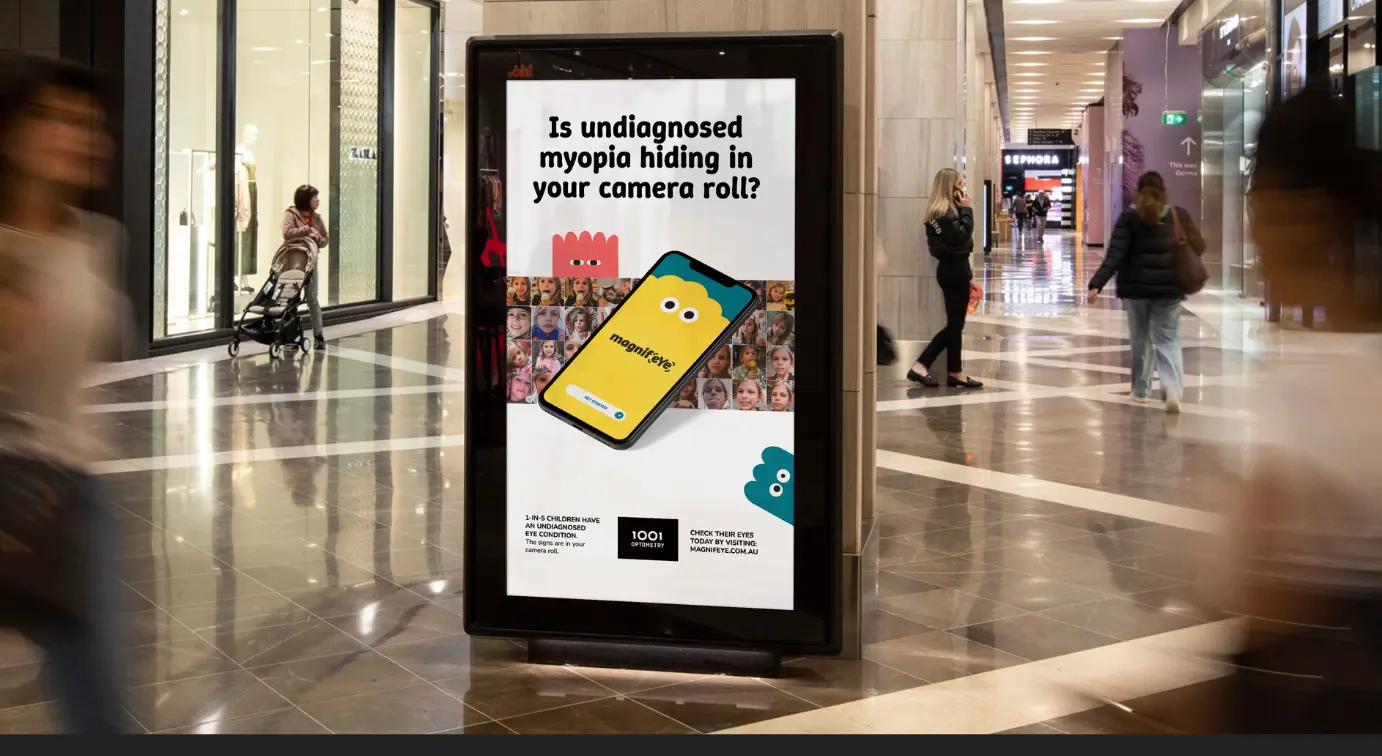
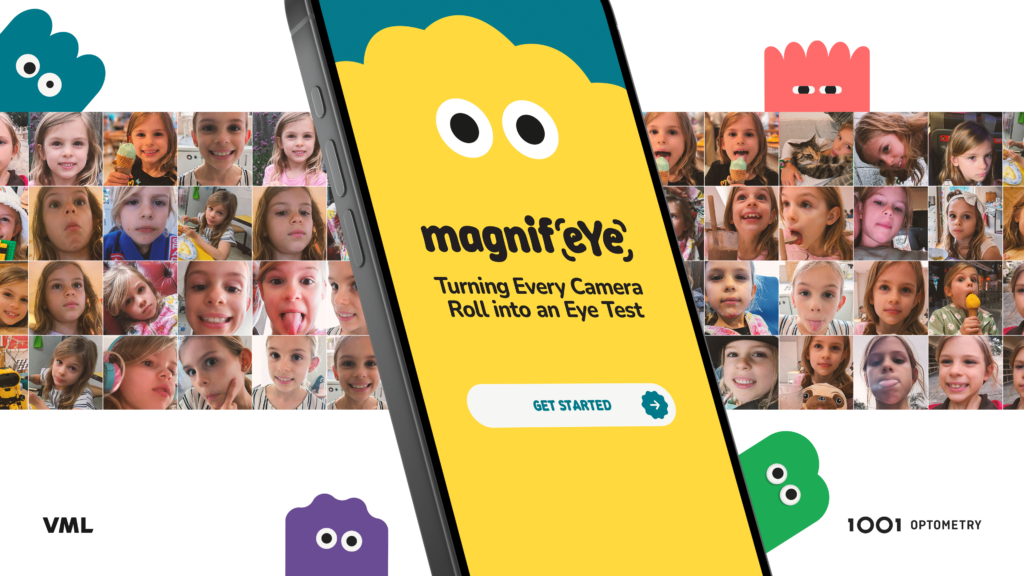
Most parents have thousands of photos of their children on their phones. Birthday parties, school events, beach days, ordinary moments captured and forgotten in a camera roll. What 1001 Optometry and VML Australia noticed is that many of those photos contain something parents were never looking for: early visual indicators of childhood myopia, detectable by AI, sitting unexamined in a folder that the parent opens every day to find something else entirely.
The Scale of the Problem
Myopia, commonly known as short-sightedness, is one of the most significant and fastest-growing public health challenges in paediatric eye care. By 2050, half of the world’s population is projected to be myopic. In Australia specifically, 40% of children are expected to be short-sighted by the same year. The condition causes the eyeball to grow slightly too long, making distant objects appear blurry, and when it develops early in childhood, it tends to progress faster, significantly increasing the long-term risk of serious eye conditions including glaucoma, cataracts, and retinal detachment.
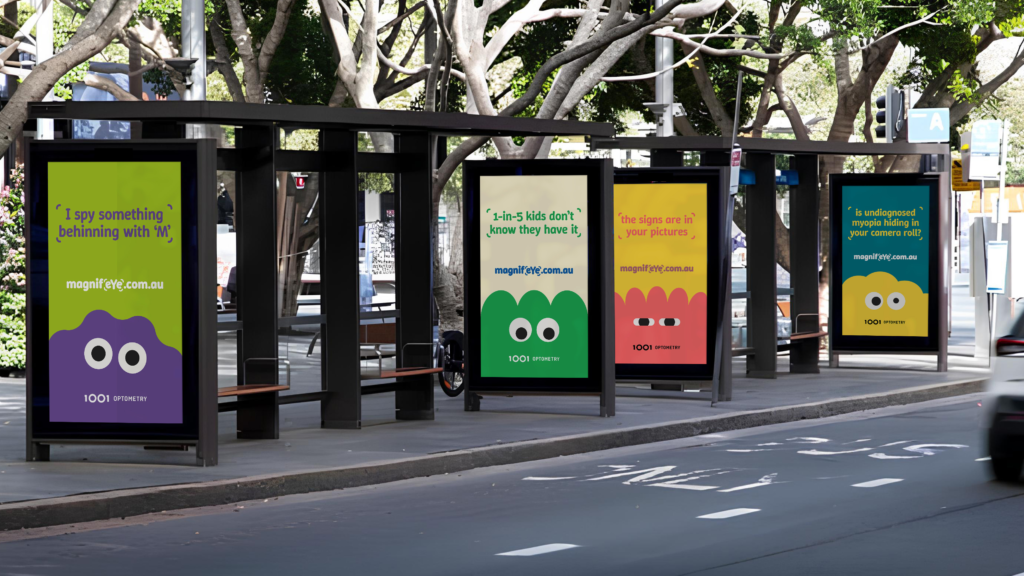
The clinical challenge is that the early signs of myopia, subtle squinting, a slight tilt of the head, a tendency to sit unusually close to screens, are behaviours that happen gradually and are easily normalised by the parents who see them every day. By the time the condition becomes obvious enough to prompt a clinical examination, meaningful damage to the trajectory of the child’s vision has often already occurred. James Lee, CEO of 1001 Optometry, described the pattern his clinicians observe repeatedly: children are diagnosed late, often after myopia has already affected their confidence and classroom performance. The goal was to move eye checks upstream.
The Tool
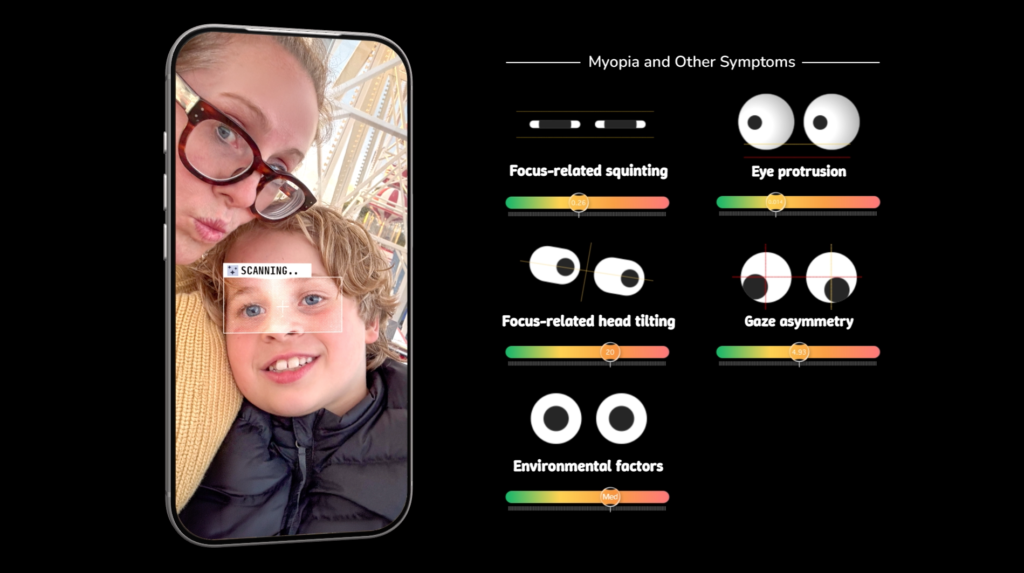
Magnif-Eye launched on March 25, 2026, as a free, web-based tool available at magnifeye.com.au. Parents upload five or more photos from their child’s camera roll to a secure platform. The AI, built in part on external Gemini 3 Flash Preview and MediaPipe’s FaceLandmarker AI cloud instances, scans the images for two specific visual cues associated with undiagnosed myopia: focus-related squinting and focus-related head tilting. The analysis happens in real time on a secure server. Images and results are never stored and are permanently deleted immediately after screening is complete. No image is viewed by any human at any point in the process.
The output is not a diagnosis. It is a risk indication and a recommendation. If the AI detects potential indicators, it advises the parent to book a comprehensive eye test. 1001 Optometry also makes those tests Medicare-bulk-billed across its Australian network, removing cost as a barrier for families who receive a recommendation to follow up.
The technological choice to scan for behavioural cues, squinting and head tilting, rather than clinical markers of the eye itself, is what makes the tool feasible using ordinary consumer photographs. A clinical diagnosis requires controlled conditions, specialist equipment, and a trained optometrist. Magnif-Eye requires a photo taken on a phone at a birthday party. The standards of evidence are different because the purpose is different. The tool is not trying to replace the optometrist. It is trying to get the child into the optometrist’s chair sooner.
The Creative Thinking Behind It
Jack Delmonte, Creative Director at VML, described the insight that produced the tool: “Parents take thousands of photos of their kids every year, but those images usually just sit in their camera roll. With Magnif-Eye, we’ve turned that everyday behaviour into an incredibly powerful brand experience.”
The campaign works structurally because it identifies a behaviour that parents are already engaged in, photographing their children constantly, and redirects a small number of those photographs toward a health purpose without requiring a new habit to form. The parent does not have to remember to do something different. They upload photos they already have. The health screening is a new destination for an existing behaviour rather than a new task requiring new motivation.
Margaret Lam, Head of Optometry at 1001 Optometry, described the clinical rationale for the upstream approach: “Getting your child into an optometrist’s chair sooner means professionals can put tailored care plans in place to manage and actively slow the progression of myopia, ultimately safeguarding your child’s vision for the future.”
The Recognition
At Cannes Lions 2026, Magnif-Eye won a Silver Lion in the Health and Wellness category, confirming the industry’s recognition of the tool’s combination of creative insight and genuine clinical utility. The campaign was also named by the Contagious team in their Cannes Lions coverage as one of the standout health innovations of the festival year.
Campaign Name: Magnif-Eye
Agency Name: VML Australia / PR: Burson / Media: Word of Mouth Digital
Brand Name: 1001 Optometry
Location: Australia (available nationally at magnifeye.com.au; launched March 25, 2026)