
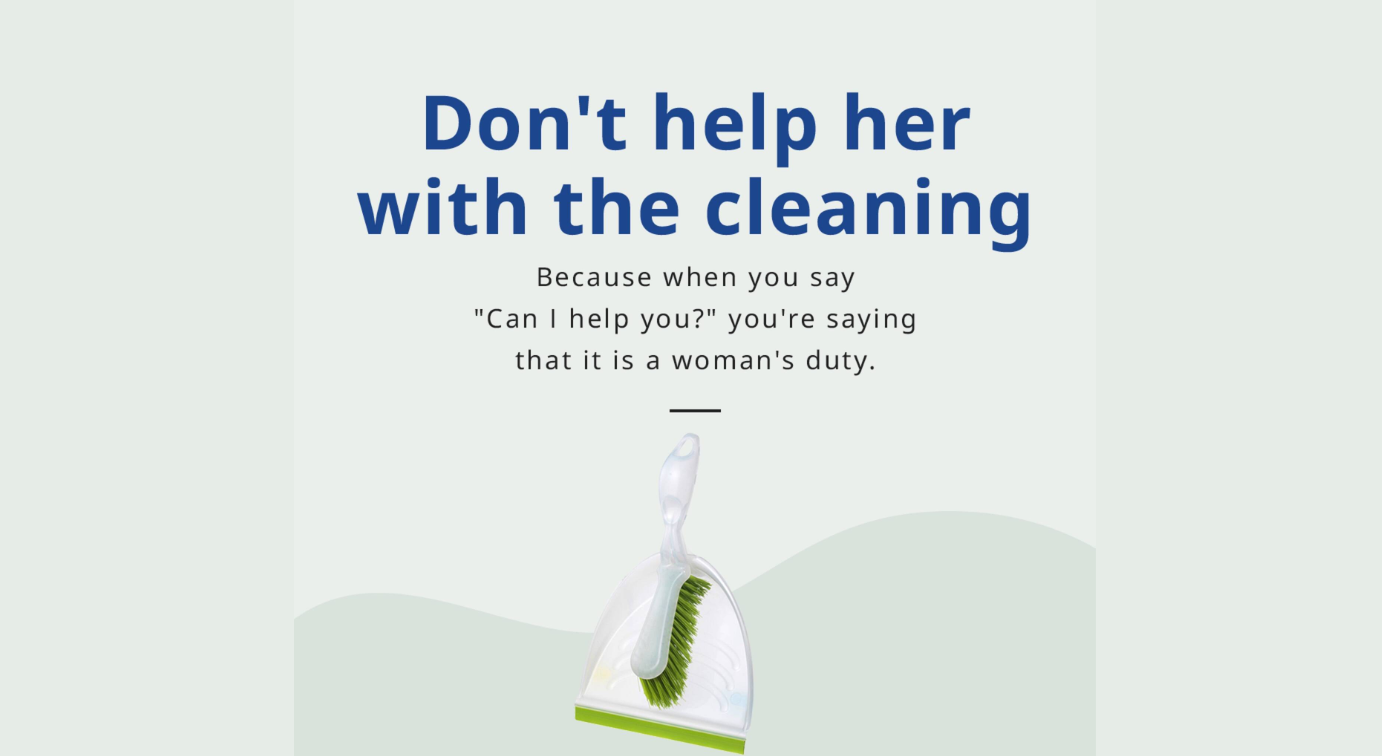
IKEA Italia wrote an open letter to Treccani, the country’s most respected dictionary and encyclopedia, about a phrase heard in homes every day. When a man asks a woman doing housework “Can I help?”, is the question itself sexist? IKEA asked the linguists to decide. The campaign, “Can I help?”, ran on International Women’s Day under the hashtag #PossoAiutare.
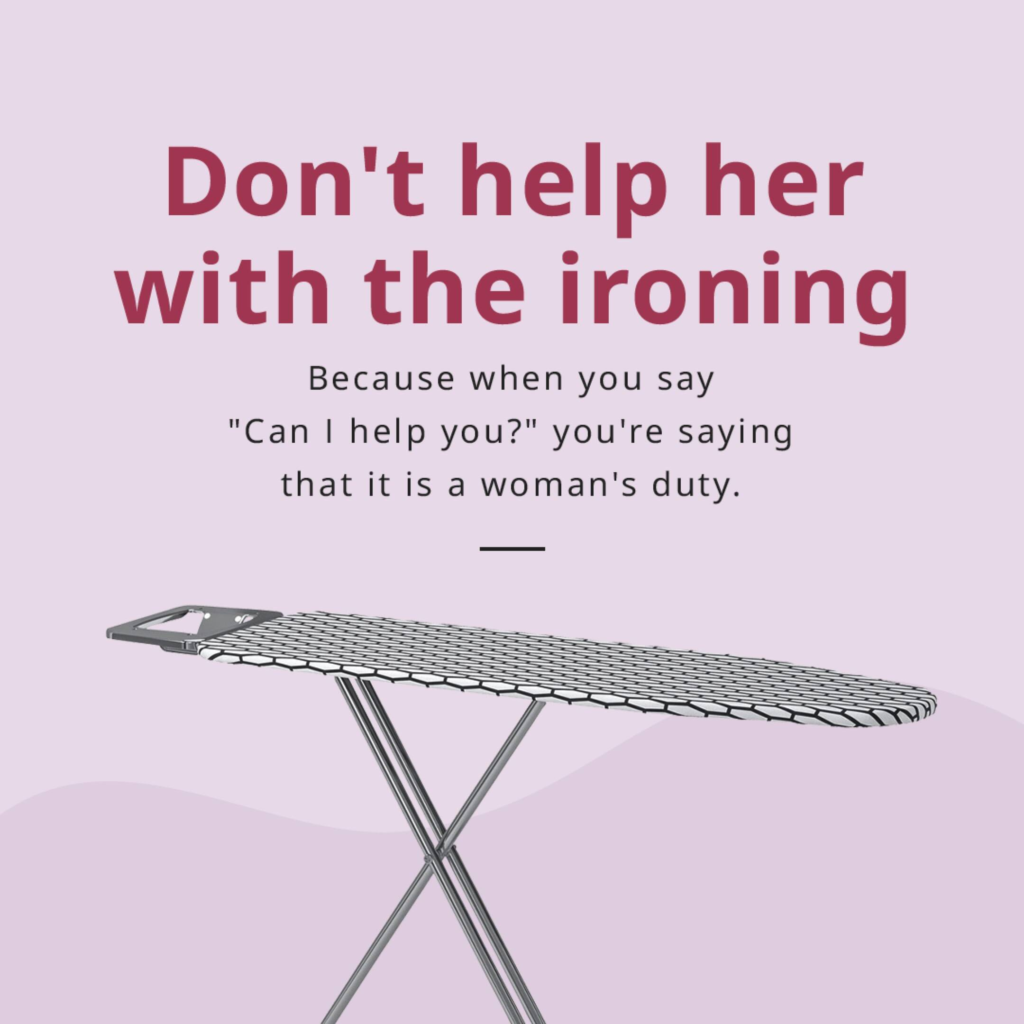
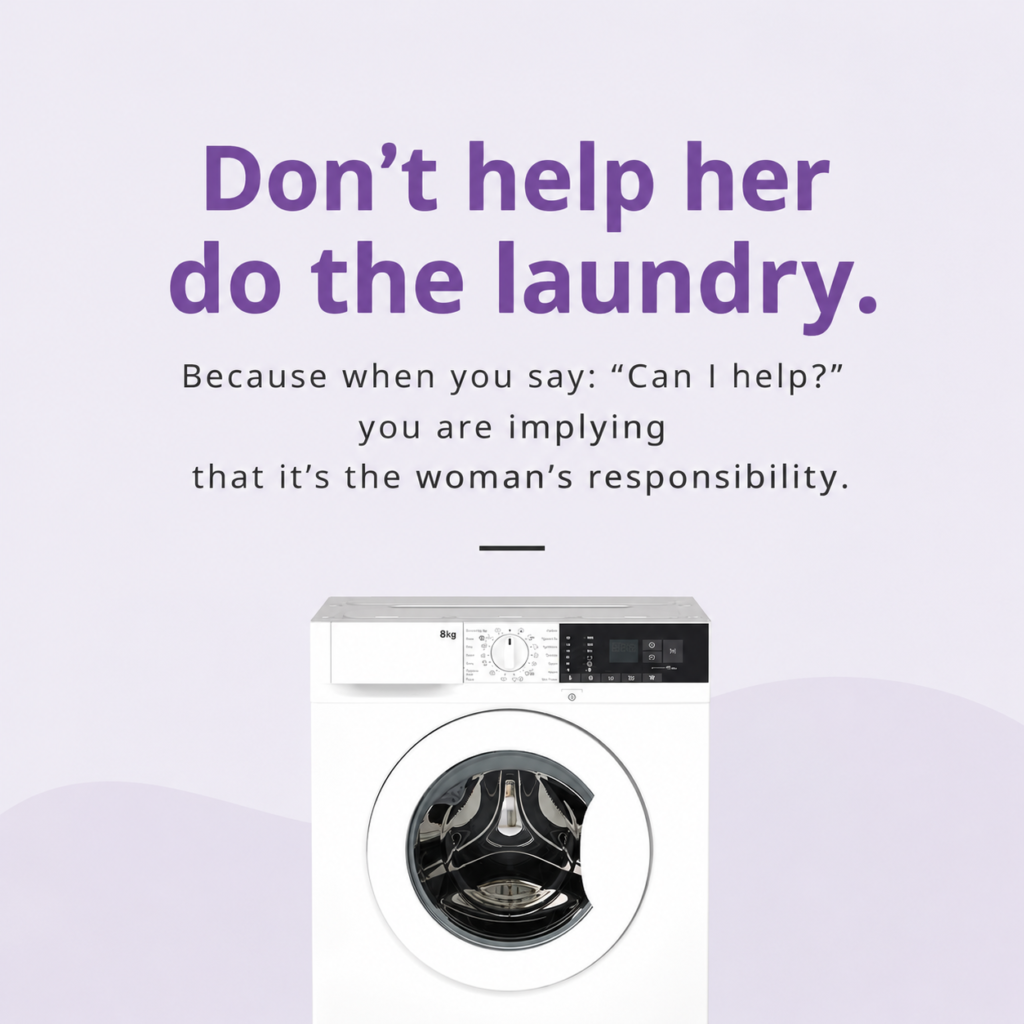
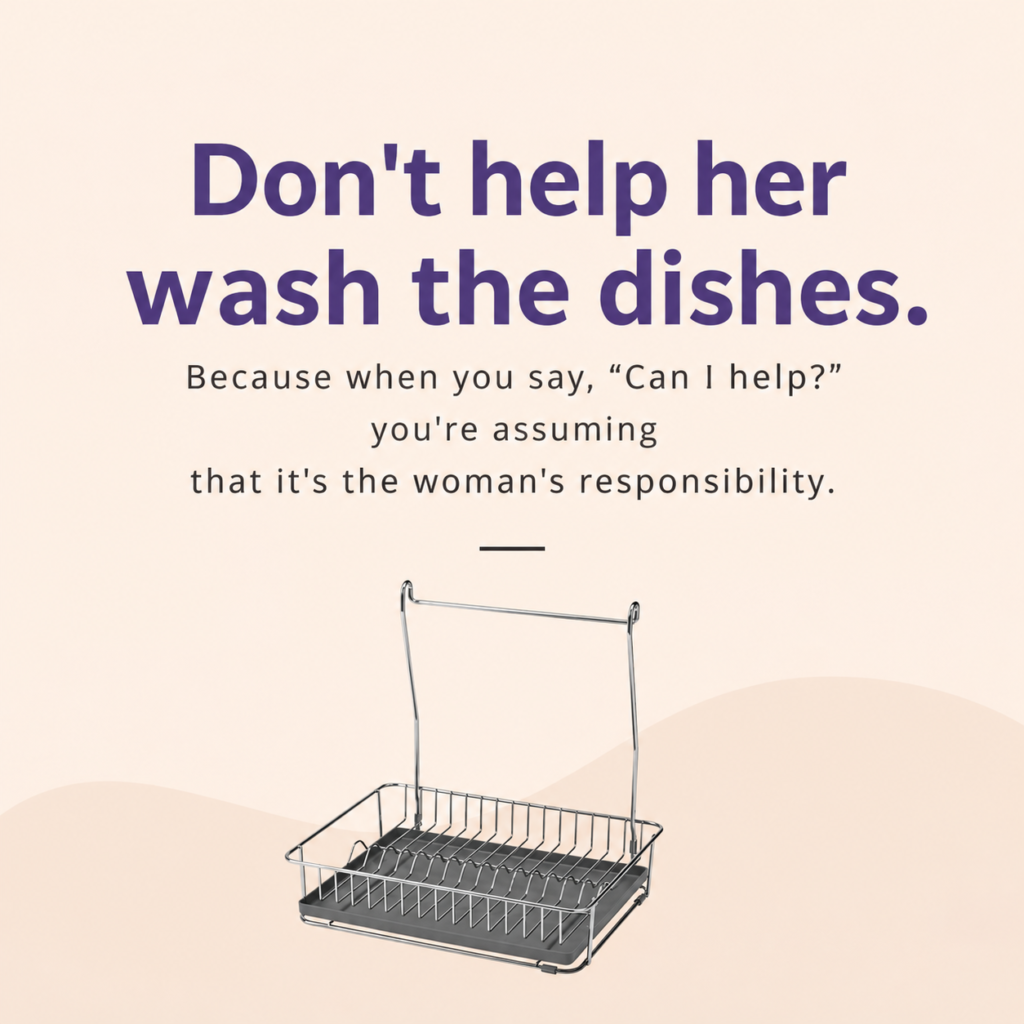
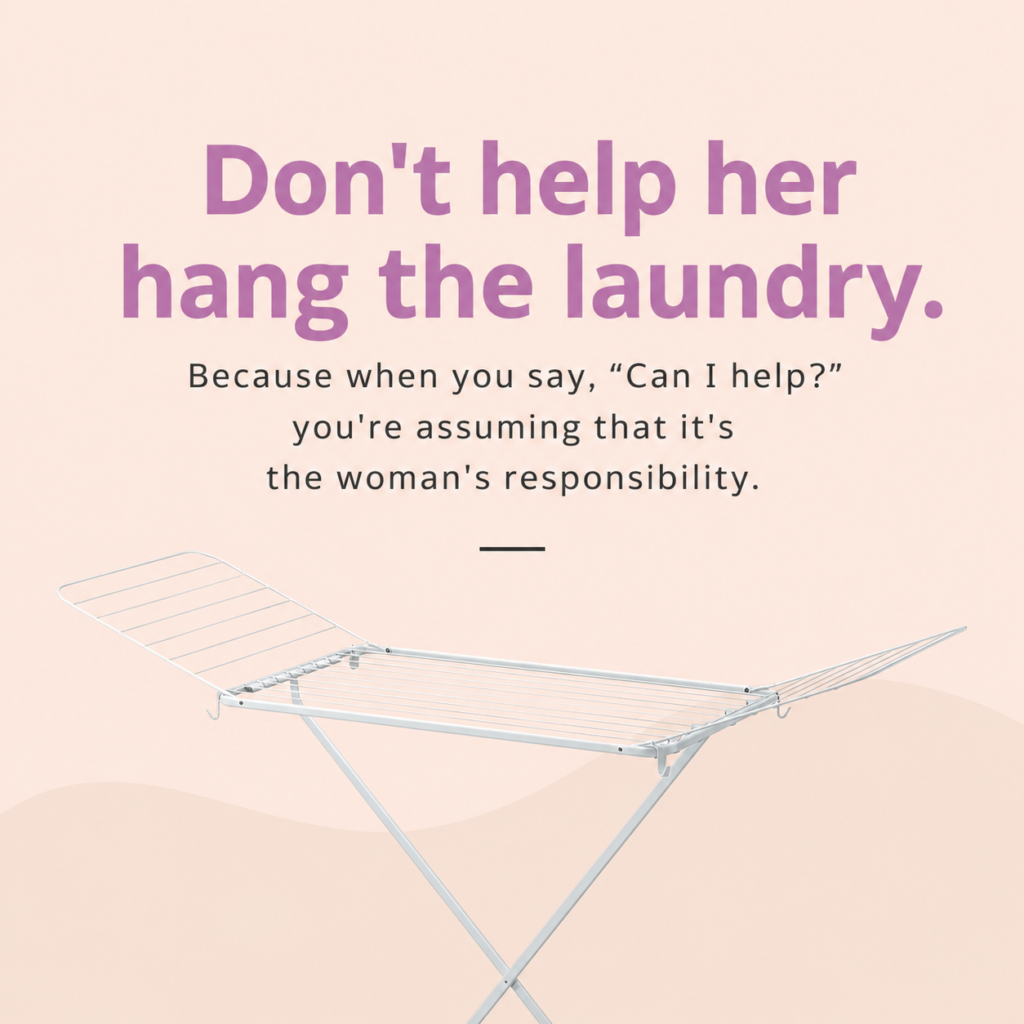
The Phrase Hiding in Plain Sight
IKEA picked an everyday phrase rather than obviously offensive language. In Italian it is “Posso aiutare?” It is usually meant kindly. It also assumes that the cooking, cleaning and caring are a woman’s job, and that a man who joins in is doing her a favour.
That makes it a sharp target for a gender equality message. Most people say the phrase without thinking twice, and the campaign asked them to.
A Letter to the Dictionary
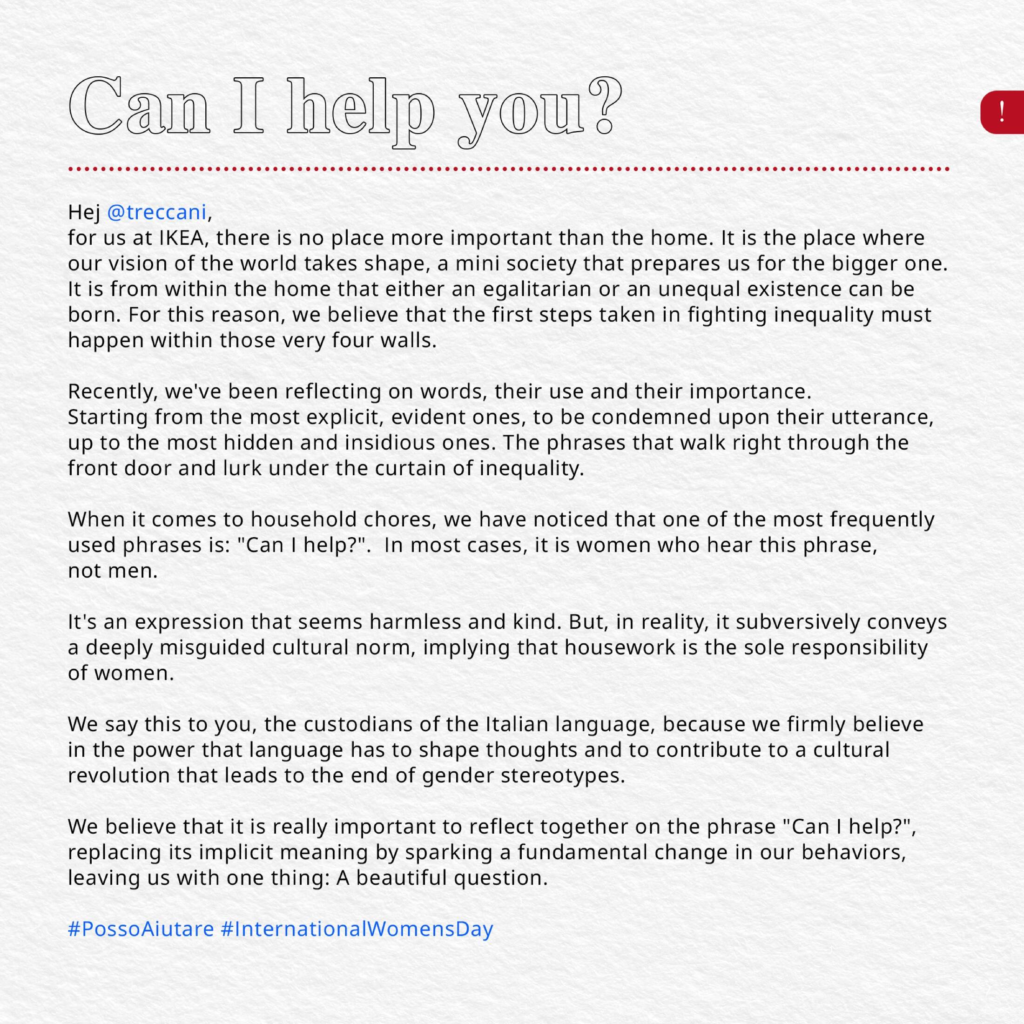
On March 8, 2021, IKEA Italia posted a message on Facebook addressed “Hej Treccani.” The brand asked the institution’s linguists for an authoritative view on using the verb “to help” inside the home, and on the power of language to shape thought and drive cultural change.
IKEA explained why a furniture company cared. “Per noi di IKEA non esiste un posto più importante di casa,” it wrote, meaning there is no place more important to IKEA than the home. The brand described the home as “una società in piccolo,” a small society that prepares people for the larger one.
Treccani Writes Back
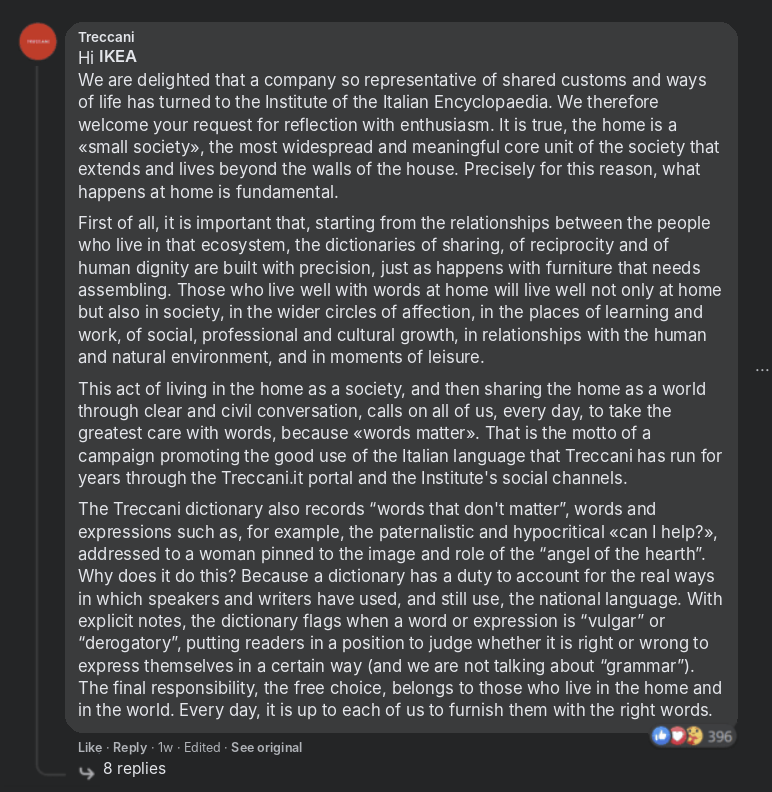
Treccani replied publicly on social media the same day. It agreed that the home works like a small society, where relationships build the vocabulary of sharing, reciprocity and human dignity.
“Chi abita bene le parole in casa, abiterà bene non soltanto la casa ma anche la società,” Treccani wrote. Those who use words well at home will live well not only at home but in society.
Treccani called expressions like “Posso aiutare?” addressed to women about chores anachronistic and at times “paternalistiche e ipocrite,” paternalistic and hypocritical. It said they keep women tied to the old stereotype of the “angelo del focolare,” the angel of the hearth.
A Debate Already Underway
IKEA’s question landed in the middle of a wider argument about language. A few days earlier, on March 5, politician Laura Boldrini, writer Michela Murgia and other activists had published an open letter asking Treccani to remove sexist synonyms from its definition of “donna,” the Italian word for woman. One signatory, Maria Beatrice Giovanardi, had previously pushed the Oxford dictionary to revise its definition of “woman.”
In its reply to IKEA, Treccani also said a dictionary “non può selezionare il lessico basandosi su pregiudizi o giudizi morali,” that it cannot select vocabulary based on prejudice or moral judgement.
Why a Furniture Brand Asked
IKEA says it studies how people live at home because the home shapes the wider society. That gives the brand a natural reason to talk about who does the work inside it. It sells kitchens, laundry baskets and cleaning storage, and here it questioned the assumption about who uses them.
The format kept the cost low and the reach high. A single social media post drew a public reply from the country’s top authority on language, and that exchange became the campaign.
The Team Behind It
We Are Social Milan created the campaign, with executive creative director Alessandro Sciarpelletti, executive creative director of production Daniele Piazza and associate creative directors Paulo Gonzalez and Mattia Lacchini. Francesco Pierucci wrote it, Giulia De Chirico was art director and Bruno Tecci led strategy.
IKEA did not need a new slogan. It asked about two Italian words men say every day and let a dictionary explain what they really mean.
Campaign Name: Can I help? (#PossoAiutare)
Agency Name: We Are Social Milan
Brand Name: IKEA Italia
Location: Italy