Volkswagen sent a text message to every phone in a Hong Kong cinema. It crashed a car on the big screen at the exact moment the audience looked down. The stunt put moviegoers inside the split second that causes most distracted driving accidents. The film of their reaction then carried the message far beyond the theatre.
What Played Before the Movie
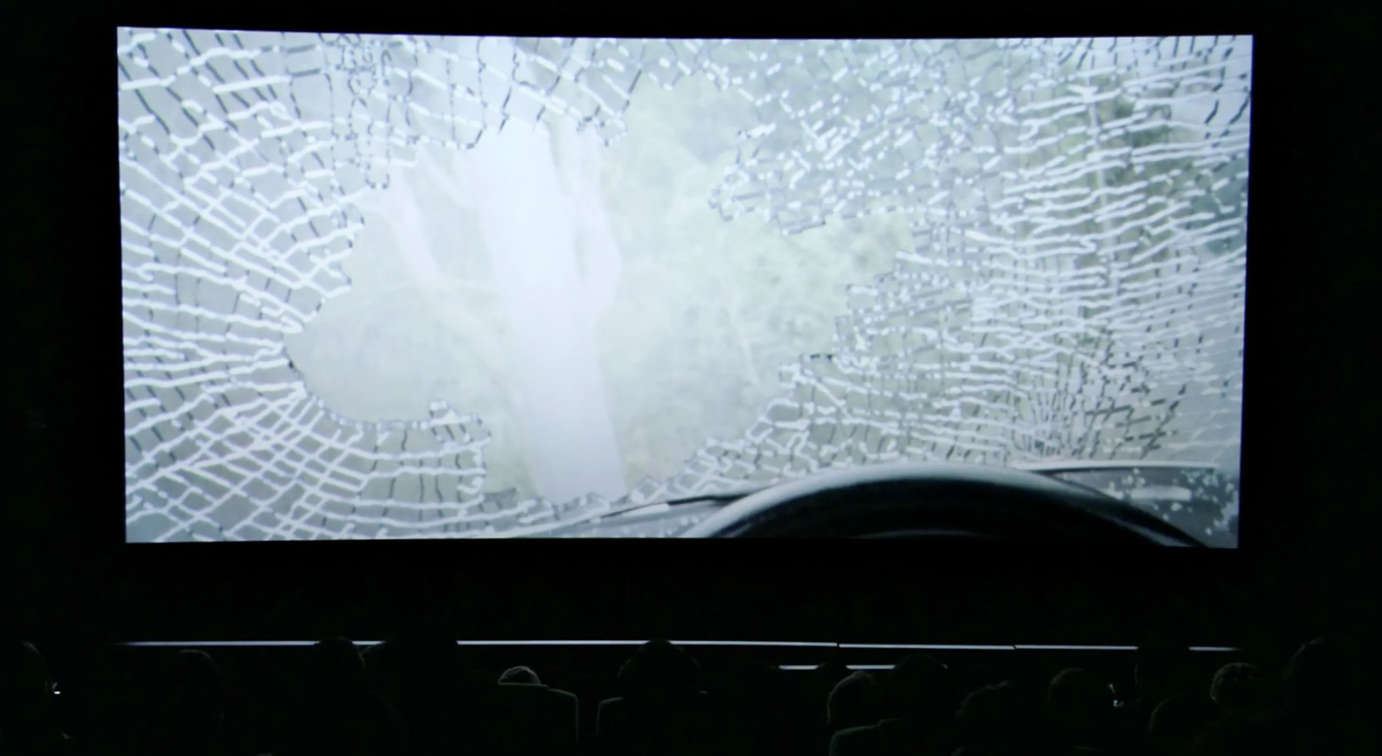
The audience at the MCL Cinema in Hong Kong settled in for what looked like a regular trailer. The film was shot from the driver’s seat. Viewers saw a steering wheel, a windshield and a quiet country road rolling past. For several seconds, nothing happened, and the room looked bored.
About 15 seconds in, phones across the auditorium buzzed at once. Most people did what drivers do every day. They reached into pockets and bags and looked at their screens.
The Moment Heads Went Down
While those eyes were on phones, the car on screen swerved off the road and slammed into a roadside obstacle. The speakers blasted the impact, the horn sounded and the windshield cracked. Hidden cameras caught viewers jerking their heads up in shock, many still holding their phones.
Then the line appeared on screen. “Mobile use is now the leading cause of death behind the wheel.” The film closed with a reminder to keep your “eyes on the road.”
The setup was simple. A short-range, location-based SMS broadcaster sat in the projection booth. It pushed one message to every phone in range at a precisely timed point in the film. The audience did the rest by behaving exactly as they would behind the wheel.
Why the Trick Hit Harder Than a Warning
Road safety ads usually show a crash and ask people to imagine being the driver. This one let the audience make the mistake themselves. Each person in the room looked away for a second and missed what happened next. The lesson arrived as a personal experience rather than a statistic.
The campaign targeted young drivers, the group most attached to their smartphones. A cinema gave Volkswagen a dark room, a captive crowd, a giant screen and loud sound. That is close to the focus a driver should give the road.
Helen Wu, Volkswagen’s marketing director, called it “the most immersive messaging on the subject I’ve ever seen,” according to the award entry.
How Far the Crash Travelled
The live stunt reached one cinema audience. The reaction video reached millions. Volkswagen and the agency cut the footage into an 83-second film and released it online in early June 2014.
Celluloid Junkie reported more than 5.4 million YouTube views four days after release. Road Safety GB put the count above 13 million by June 12, and Mobile Marketer later reported more than 15 million. The agency’s award entry claimed 27 million views in 2 months, the top automotive viral video in June and July. It valued the earned media at more than US$4.5 million.
The coverage spread from advertising blogs to mainstream news outlets in the US and Canada. Local reports there tied the film to distracted driving deaths in their own regions.
What the Juries Said
The work won the Grand Prix in the Media category at Spikes Asia 2014, in the section for special events and stunt advertising. It also appears in the D&AD Awards archive for 2015 under film advertising.
The campaign is more than a decade old, yet it still comes up whenever brands talk about phones behind the wheel. The execution needed one cinema, one short film and one text message. Its force came from timing the crash to the exact second people looked away.
Campaign Name: Eyes on the Road
Agency Name: OgilvyOne Beijing (creative) / HHMEDIA Guangzhou (media)
Brand Name: Volkswagen
Location: MCL Cinema, Hong Kong (June 2014)