In China, fewer than 1% of people know how to perform CPR. The country has the world’s largest gaming market. Samsung and Cheil identified the intersection of those two facts as the most precise available brief for a public health campaign and built an intervention directly inside the game itself.
The Problem
Cardiac arrest requires immediate CPR for survival. Every minute without chest compressions reduces the chance of survival by 7 to 10%. In countries where CPR literacy is high, bystander intervention rates are correspondingly higher and survival outcomes are measurably better. In China, the gap between the need for bystander CPR and the availability of people who know how to perform it is almost total.
Conventional CPR training requires enrollment in a class, attendance at a session, and a deliberate decision to acquire the skill before the moment it becomes necessary. Most people who have not been trained reason, correctly, that they have not yet needed it. The result is a population that will, statistically, be present at cardiac emergencies throughout their lives without the knowledge to intervene.
Cheil PengTai and Cheil Worldwide Hong Kong identified the behavioural insight that had been sitting unused in the overlap between those two statistics: young Chinese people encounter virtual death constantly, every time they play a game. Most people only think about CPR when they are faced with death. Young Chinese gamers face death, in the form of their character dying, dozens of times every session. That moment of virtual death is the most available, most emotionally primed context for CPR education that exists in Chinese youth culture.
The Hack
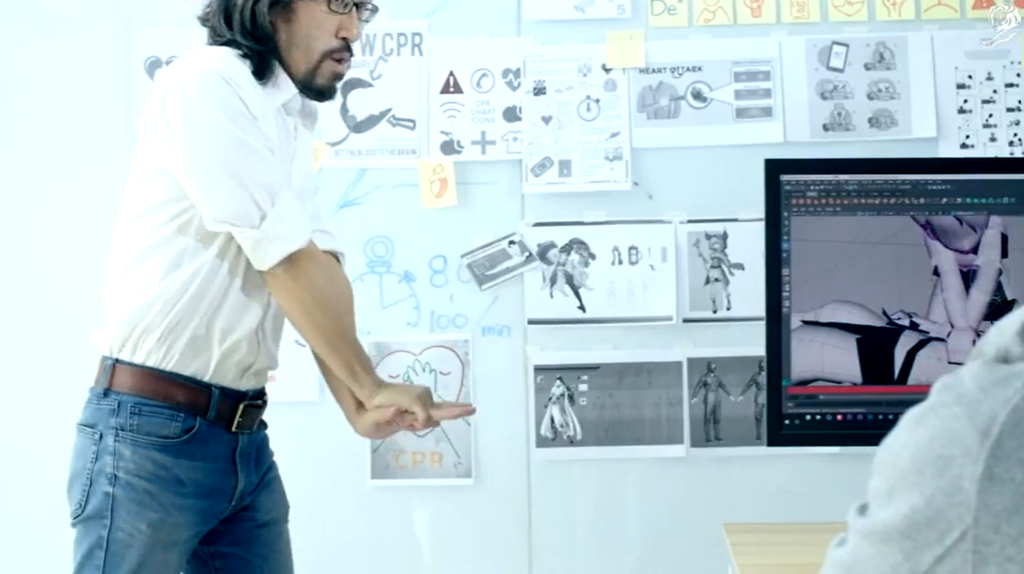
BACK2LIFE was created in 2019 as Samsung Electronics Greater China’s Corporate Social Responsibility project. Cheil partnered with Blood River, one of China’s most popular MOBA games, a Multiplayer Online Battle Arena format in which players fight in teams and characters can be revived by teammates during matches.
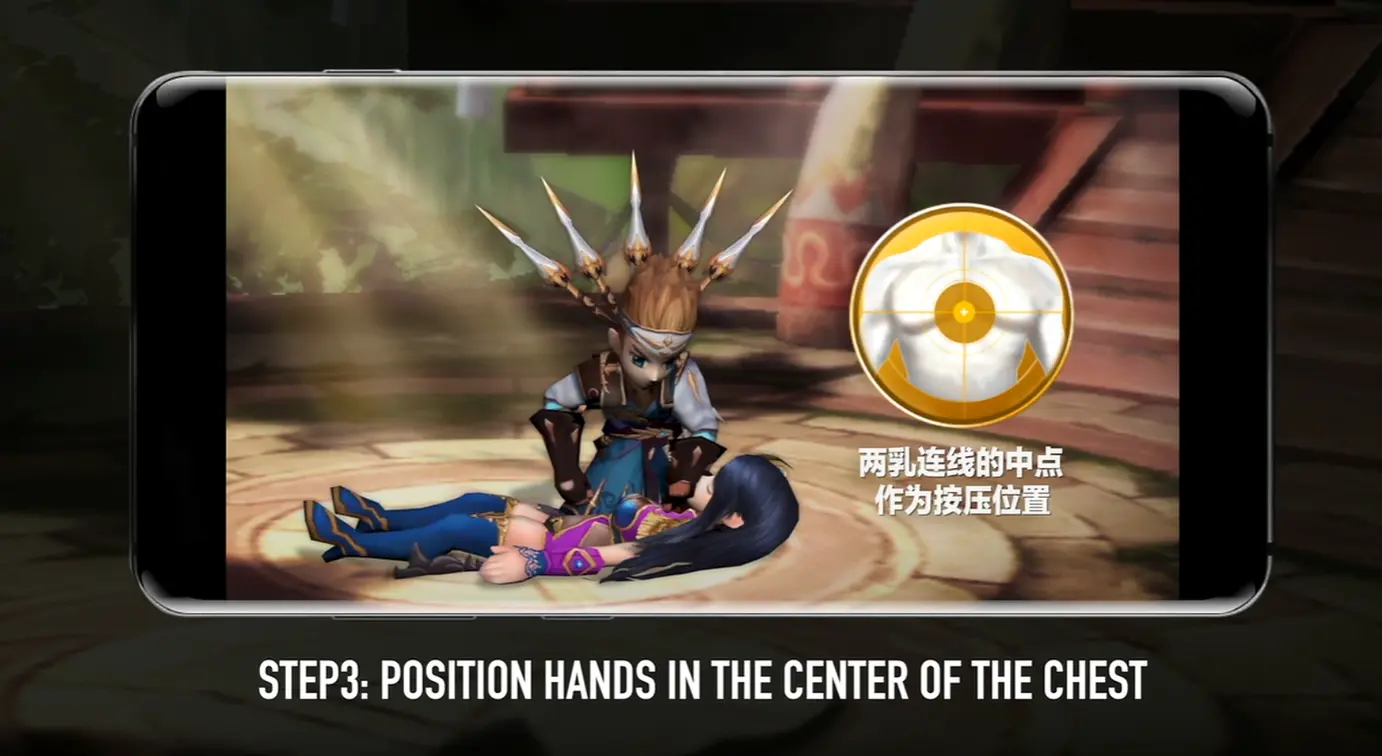
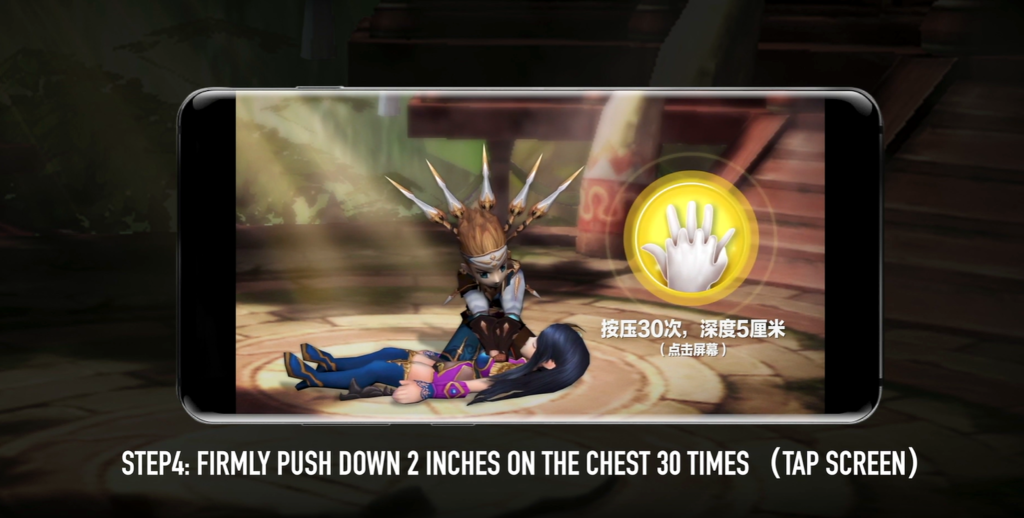
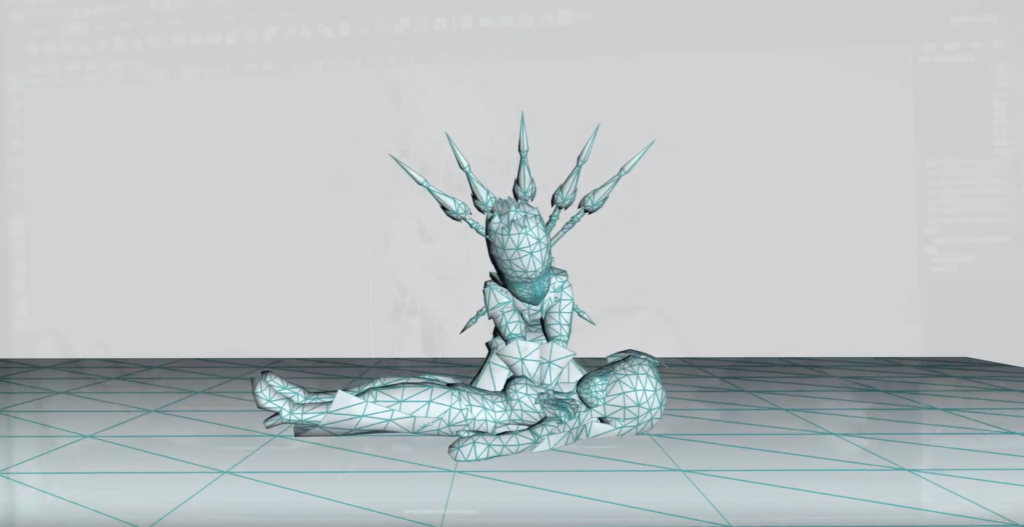
The hack was precise. When a player’s character died in Blood River, instead of the standard respawn or revival mechanics, the game presented an interactive CPR training module. The player had to perform the correct sequence of chest compressions, simulated through on-screen interactions, to revive their character and return to the match.
The mechanic worked on the game’s own logic. In Blood River, death is already a moment where intervention is possible and where players are motivated to act quickly. BACK2LIFE made the intervention real-world relevant rather than purely in-game. The player who wanted to continue playing had to learn CPR to do so. The more they played, the more frequently they encountered the training. The repetition that produces actual skill retention in real CPR instruction was built into the normal rhythm of gameplay.
Steve Feng, Chief Marketing Officer of Samsung Electronics Greater China, described the campaign’s founding logic: “In a country where less than 1% know how to perform CPR, BACK2LIFE is an idea in which creativity plays an important role. By creating a fun and easy way to learn CPR, BACK2LIFE uses life-changing creativity to potentially save lives.”
The Results
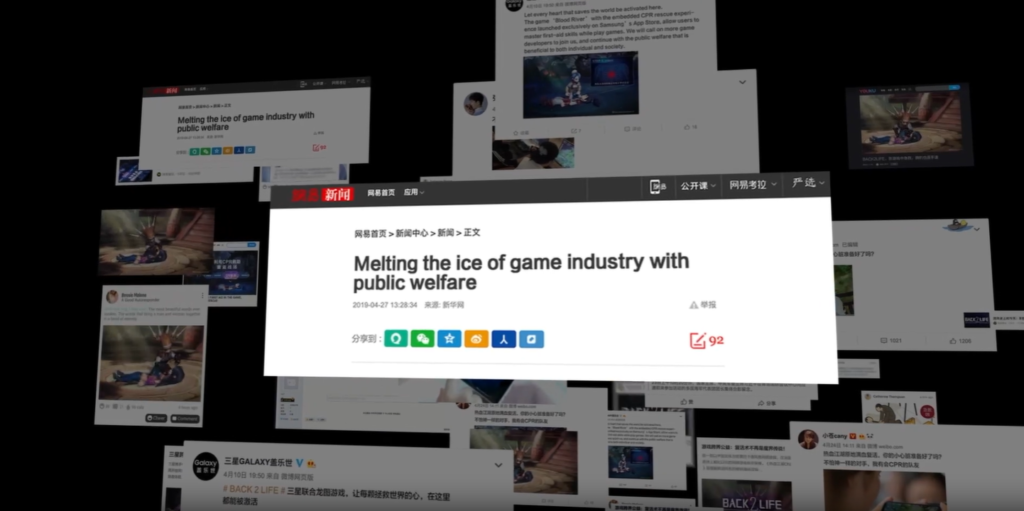
The BACK2LIFE campaign ran for two weeks as a takeover of the Blood River platform. In that period, over three million players received CPR training through the game mechanic. The D&AD Pencil the campaign won confirmed the advertising industry’s assessment of what the intervention achieved: three million people in a country where fewer than one in a hundred previously knew the skill had now encountered the correct CPR sequence, interactively, in a context that required them to perform it rather than simply watch it demonstrated.
The scale is the campaign’s most significant outcome. A conventional CPR training programme that reached three million participants would require facilities, instructors, scheduling infrastructure, and a budget to match. BACK2LIFE required a two-week partnership with a game platform and a mechanic that players encountered as a natural part of gameplay.
The Broader Pattern
BACK2LIFE belongs to a growing body of work in which brands identify a behaviour that their target audience is already performing and redirect that behaviour toward a public health outcome without requiring any new habit to form. The PetPace Animal Alerts system used the behaviour of pet ownership to build an earthquake early warning network. The Lifebuoy Roti Reminder used the behaviour of eating to deliver handwashing education. BACK2LIFE used the behaviour of gaming to deliver CPR training.
In each case, the intervention arrives at the moment of maximum relevance and minimum resistance: the player who wants to revive their character is already motivated, already focused, and already performing the physical interaction the training requires. The game mechanic and the health education are the same action.
Campaign Name: BACK2LIFE
Agency Name: Cheil PengTai / Cheil Worldwide Hong Kong / Creative Directors: Kimmy Liu, Paul Chan, Wilson Ang / Production: BigFish
Brand Name: Samsung Electronics Greater China
Location: China (Blood River game platform; two-week takeover; 2019)