An AI safety group is asking the public to stop clicking accept. Its campaign presents the race to build artificial superintelligence as a set of terms and conditions nobody has read, then spells out the small print.
The Habit Behind the Idea
The campaign borrows its name from a familiar habit, clicking to accept terms and conditions without reading them. It challenges the idea that superintelligence is inevitable and that the public has no say in it.
The team tried several routes first. The client worried that science fiction imagery would make the message sound conspiratorial or theatrical, so the creatives needed everyday language for a future risk. A colleague suggested framing superintelligence as terms and conditions. The metaphor fits because terms describe what happens once something is agreed to, and most viewers recognise the habit in themselves.
A Film Made From Strangers’ Footage
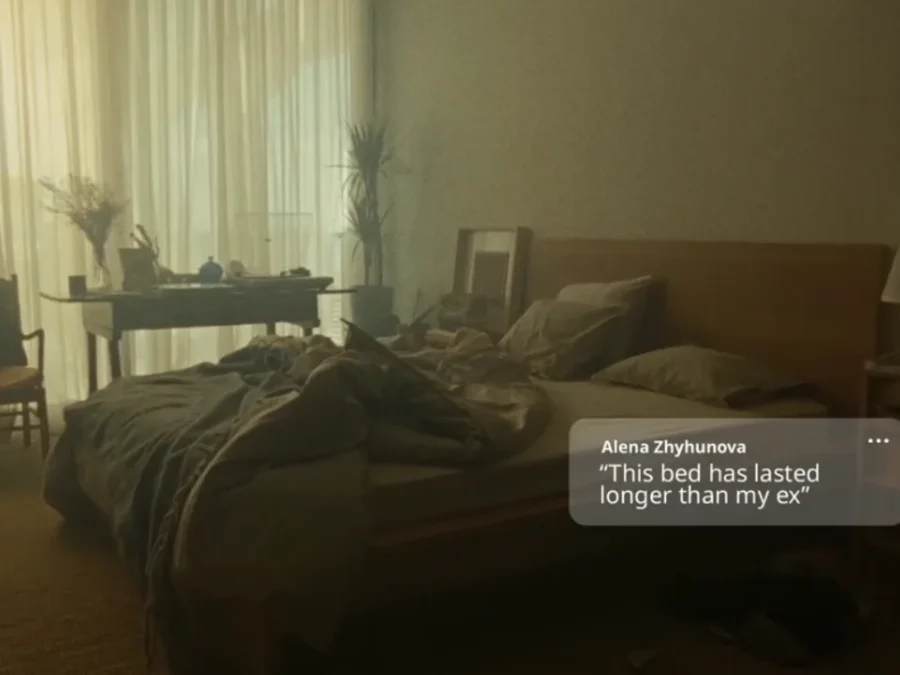
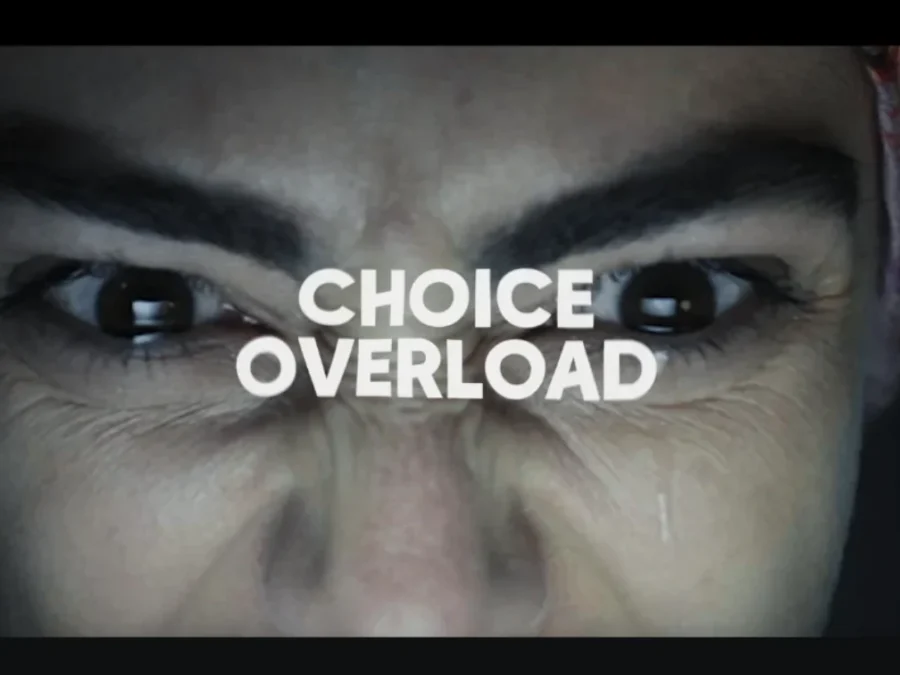
The hero film is built from 71 clips from 19 countries, chosen from more than 1,300 submissions to an open call for “humanity’s best footage.” The moments are ordinary ones, dandelions, people spinning, couples kissing and birthday candles. Director Alex Takács and editor Andrew Litten shaped them into the final cut.
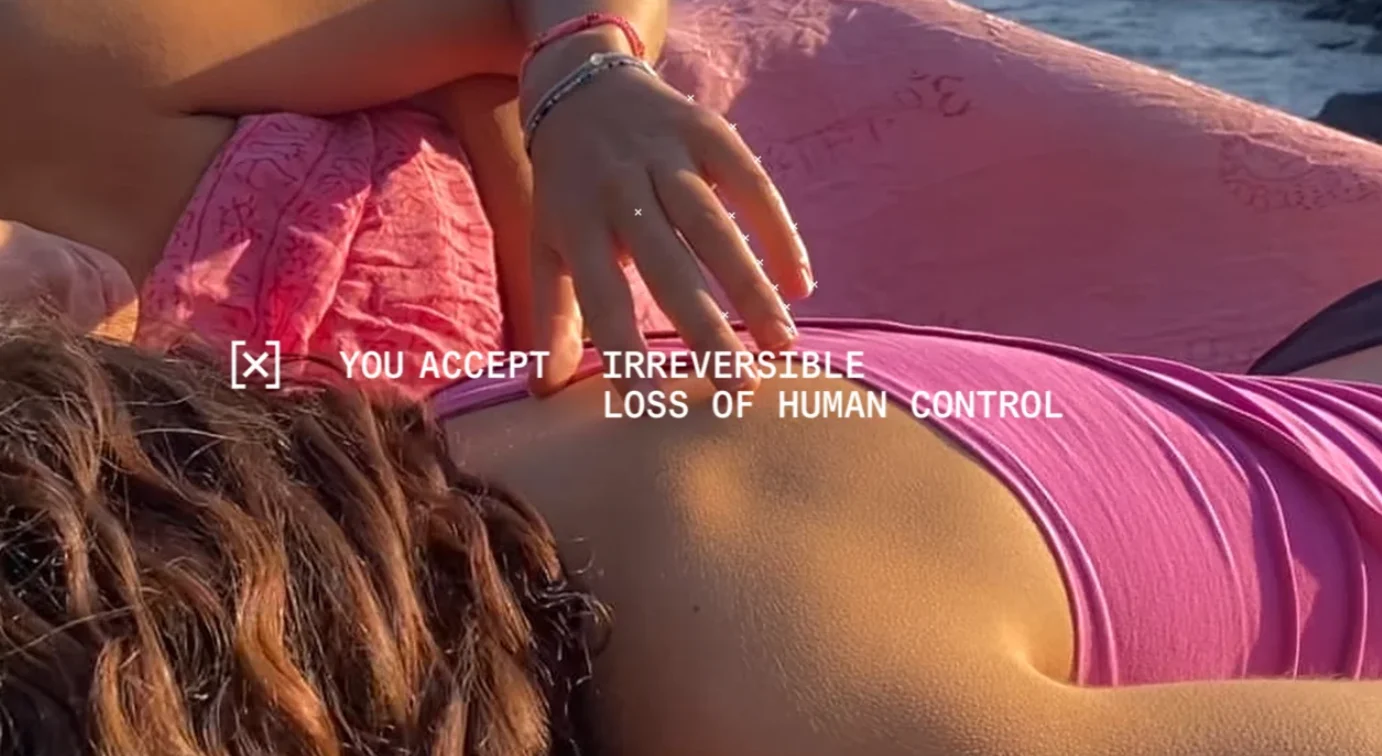
The film then sets those moments against the “small print” of superintelligence, which it lists as loss of control, a point of no return and human extinction. An X, at first a mark of consent, starts erasing people from the footage. The agency calls it the “extinction motif.” The film’s warning screen originally read “You accept risk of human extinction.” The team later cut “risk of” to put what MIRI sees as the real consequence front and centre.
Where the Warning Runs
The film plays as a premium cinema spot across the US. Social media and outdoor placements across the New York City subway frame the campaign as a public safety warning.
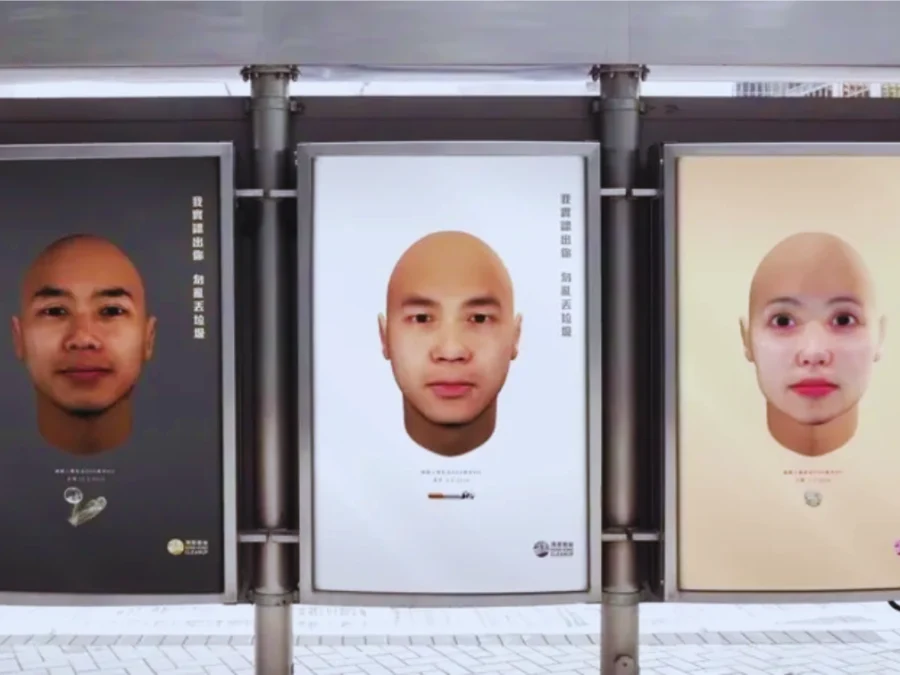
The subway posters cut the film down to a few images and a direct question. The X removes people from the places they stand, next to a claim that superintelligence is being built without public consent. Each poster ends by asking whether viewers knew the risks. Transit restrictions on ads that take a position pushed the work toward the style of a public service announcement.
What the Microsite Asks
All of it points to donotaccept.ai. The site sets out MIRI’s argument with links to supporting research and invites visitors to declare “Do Not Accept,” which the campaign frames as withdrawing consent. A public counter tracks the signatures, and the creative team said thousands had signed when ContentGrip interviewed them.
Why MIRI Is Advertising
MIRI CEO Malo Bourgon said AI companies are racing to build superintelligence and “the public never agreed to the risks that come with it.” The campaign cites a figure that 64% of American adults believe AI is being developed too quickly. MIRI’s stated position is that the best chance of survival is an urgent international pause on frontier AI development.
This is advocacy, not a neutral forecast. The campaign reflects MIRI’s own view of advanced AI risk, and its apocalyptic claims are the campaign’s, not settled science. Even some readers sympathetic to the cause doubted the film would persuade people unfamiliar with the issue.
The campaign’s strongest move is its frame. Everyone has clicked accept without reading. MIRI is betting that the guilt behind that habit can make a distant risk feel personal.
Campaign Name: Do Not Accept
Agency Name: Don’t Panic (creative), ProdCo (production)
Brand Name: Machine Intelligence Research Institute (MIRI)
Location: United States (cinemas nationwide and the New York City subway)