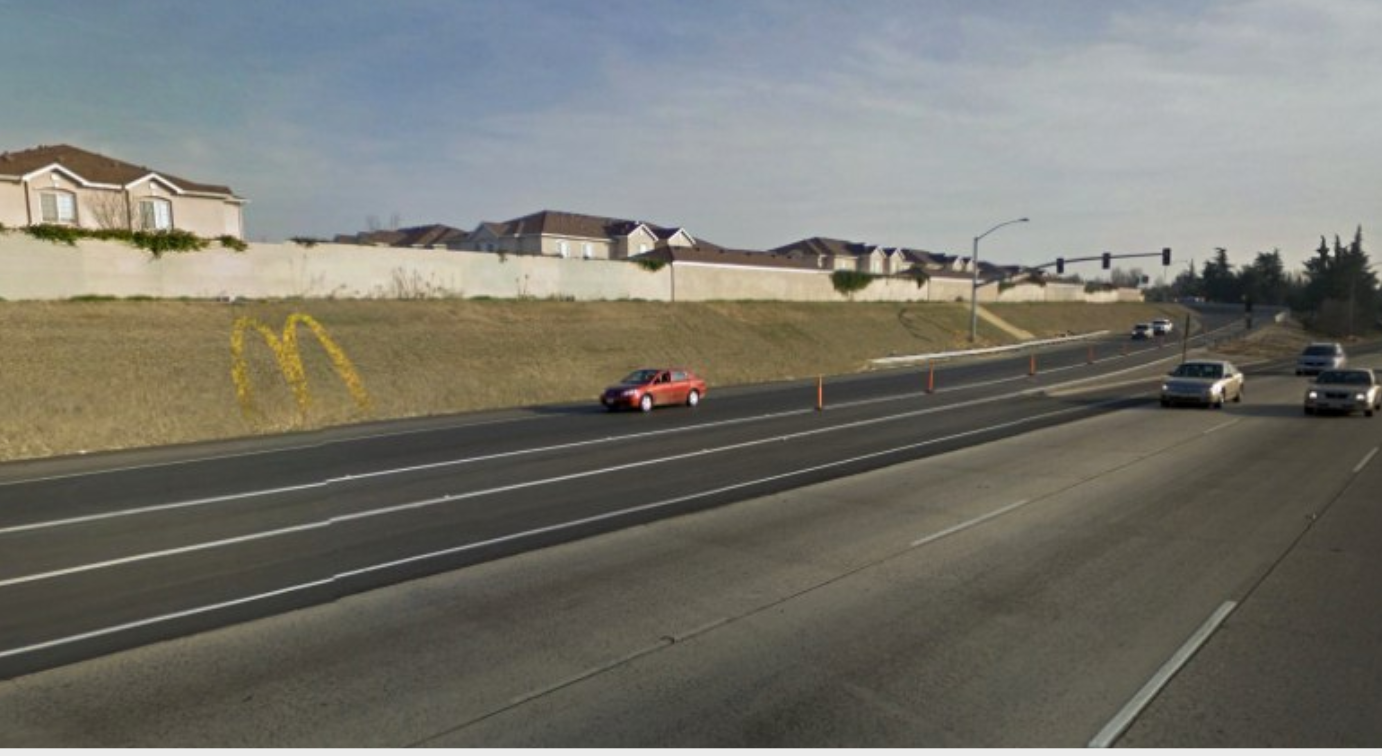
In February 2012, images of the McDonald’s Golden Arches shaped out of California Poppies growing along a roadside spread across the internet. The Next Web, Inhabitat, Copyranter, and dozens of blogs picked it up immediately. The reason it travelled was not the seed bombing technique itself, which was already a known tactic among guerrilla marketers, but a single legal detail that transformed the image from an interesting advertising concept into an apparently permanent one.
The California Poppy Problem
The California Poppy, Eschscholzia californica, is the official state flower of California. Under California law, it is illegal for any unauthorised person to dig up, cut, or remove a California Poppy from public land. The protected status is real and documented. A poppy growing on a roadside embankment in California cannot be legally removed by the landowner adjacent to it, by a passer-by, or by anyone without appropriate state authorisation.
Sean Click, the designer behind the concept, had seeded the Golden Arches shape using California Poppies specifically because of that protected status. The installation, if real, would have been impossible for any private individual to legally remove. As The Next Web described it at the time: the landowners could not remove the advertisement unless they wanted to hide it by planting more flowers on top of it.
That single observation, a logo made from flowers that nobody can legally take out, converted an ambient advertising concept into a story about legal permanence, brand power, and the specific intersection of California wildflower law with corporate outdoor media.
The Official Status of the Campaign
The Copyranter blog, one of the advertising industry’s most widely read commentary platforms at the time, noted within days of the images going viral that the designer’s own web page at seanclick.com had labelled the project a conceptual idea. It was not a confirmed McDonald’s commission. It was a speculative execution, a designer’s demonstration of what a brand could do if it applied this approach, rather than a campaign that McDonald’s had briefed, approved, or activated.
That distinction did not significantly reduce the coverage it generated. The concept was functionally identical to a real campaign for the purpose of the internet discussion surrounding it: the image existed, the legal detail was real, the creative logic was sound, and the story it told about seed bombing as an advertising medium was valuable regardless of whether McDonald’s had authorised it.
Why the Concept Worked as a Story
Most guerrilla advertising campaigns are designed to be seen and photographed by passers-by. Their earned media life depends on the quality of that in-person experience and whatever documentation reaches social media. The California Poppy concept generated earned media through a completely different mechanism: the legal argument.
A billboard can be replaced, papered over, or taken down when its lease expires. An advertisement planted in protected wildflowers on a California roadside cannot be removed by ordinary means for as long as the flowers survive and reseed themselves. The concept identified a specific, exploitable gap between advertising’s usual relationship with physical space, which is temporary and contractual, and the specific permanence that the California Poppy’s legal status created.
That argument, a brand logo made from something that nobody can legally touch, was the news. The image was the evidence. Together they generated the kind of coverage that a real advertising campaign with a real media budget would struggle to buy.
The Seed Bombing Technique
Seed bombing, the practice of dispersing seeds across a piece of land, typically as a form of environmental activism or guerrilla gardening, had been documented in practice for years before the McDonald’s concept appeared. The technique involves compressing seeds, compost, and clay into small balls or pods that can be thrown or dropped into inaccessible or difficult terrain, allowing plants to establish themselves without the need for conventional planting.
The innovation Sean Click brought to the technique was not the method but the application. Using seed bombing to plant a protected wildflower in the shape of a corporate logo, specifically because that wildflower cannot be legally removed, converted an environmental tactic into an advertising concept whose longevity was guaranteed by law rather than by contract. The irony of a technique associated with grassroots environmental activism being applied to one of the world’s largest fast food brands was part of the story’s appeal.
The Concept’s Lasting Relevance
More than a decade after it circulated, the McDonald’s California Poppy concept continues to appear in advertising curricula, outdoor advertising reference lists, and guerrilla marketing case study collections. Its longevity reflects what the concept got right: it identified a genuine legal mechanism, applied it to a recognisable brand identity, and generated a story whose central argument, that this particular advertisement could not be removed, was inherently shareable regardless of whether the execution was real or conceptual.
For an ad that may never have been officially approved by the brand whose logo it depicted, its impact on how the advertising industry thinks about the intersection of environmental law, guerrilla media, and outdoor permanence has been genuine and sustained.
Campaign Name: McDonald’s California Poppies / Golden Arches Seed Bomb
Agency Name: Not applicable (concept by designer Sean Click)
Brand Name: McDonald’s (conceptual, not officially confirmed)
Location: California, USA (concept, February 2012)