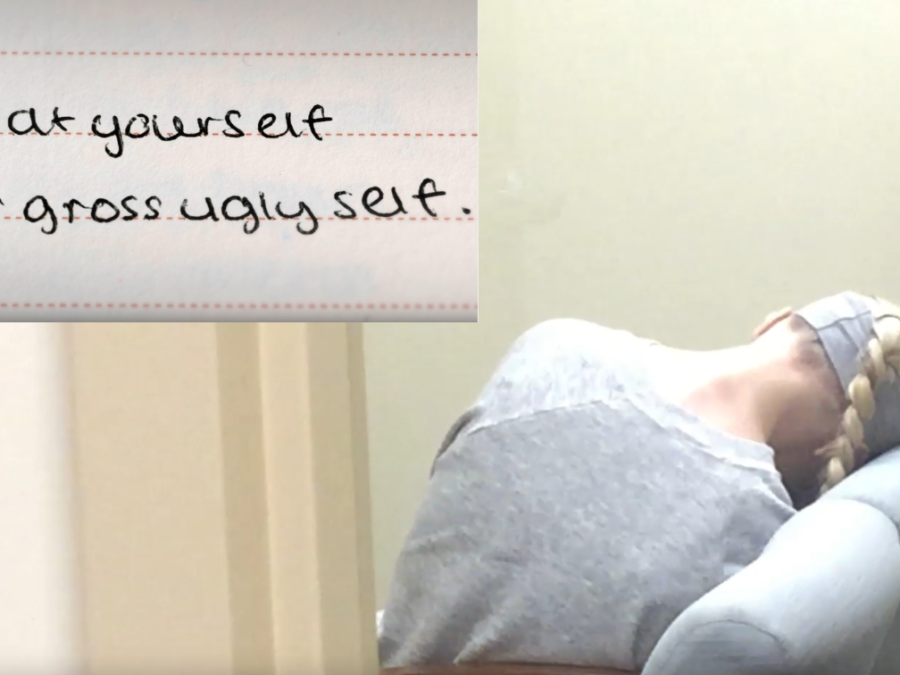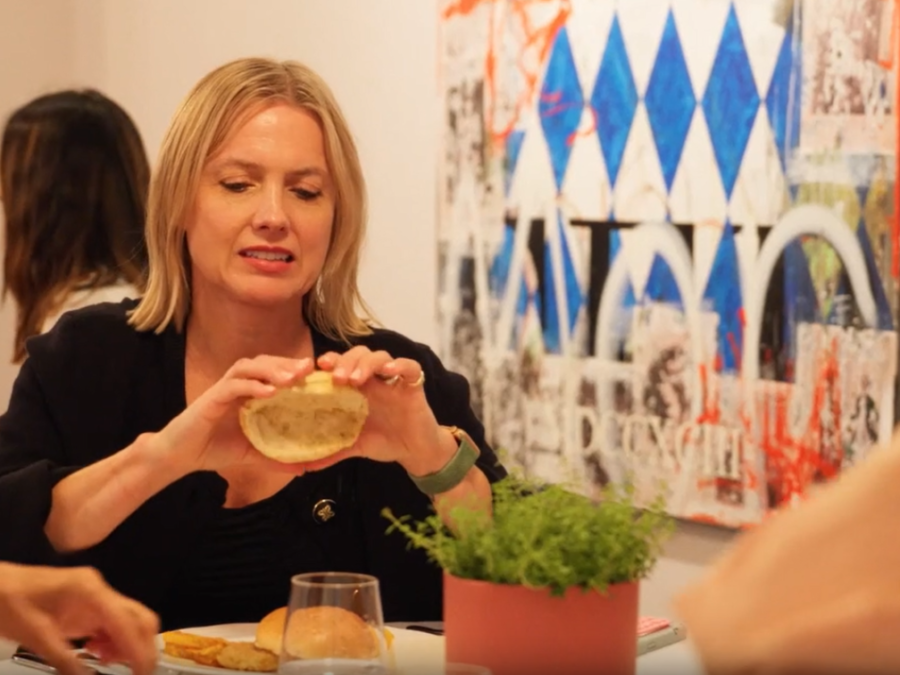
The most common defence against animal rights advertising is that it shows footage nobody wants to see. Graphic imagery of slaughterhouses gets dismissed as manipulative, extreme, or simply too disturbing to process as an argument. Animal Libre and theplan Santiago found a way around that defence entirely. They made a slaughterhouse film with no animals in it, and it is still difficult to watch.
The Context
Chile’s Independence Day, celebrated on September 18, is the country’s most significant national holiday. Fiestas Patrias, the broader celebration spanning several days, is characterised by asados, traditional barbecues, fondas, cueca dancing, and a level of meat consumption that makes the week around September 18 one of the highest-volume periods for animal product sales in the country’s year. The timing was not incidental. Animal Libre chose this specific moment to launch Choose Cruelty. Cruelty Free, placing the campaign at the peak of the cultural occasion it was designed to interrupt.
The Campaign
The idea behind Choose Cruelty. Cruelty Free is stated with precision in the campaign’s own description: we took animals out of a familiar scene, but left the violence exactly where it was.
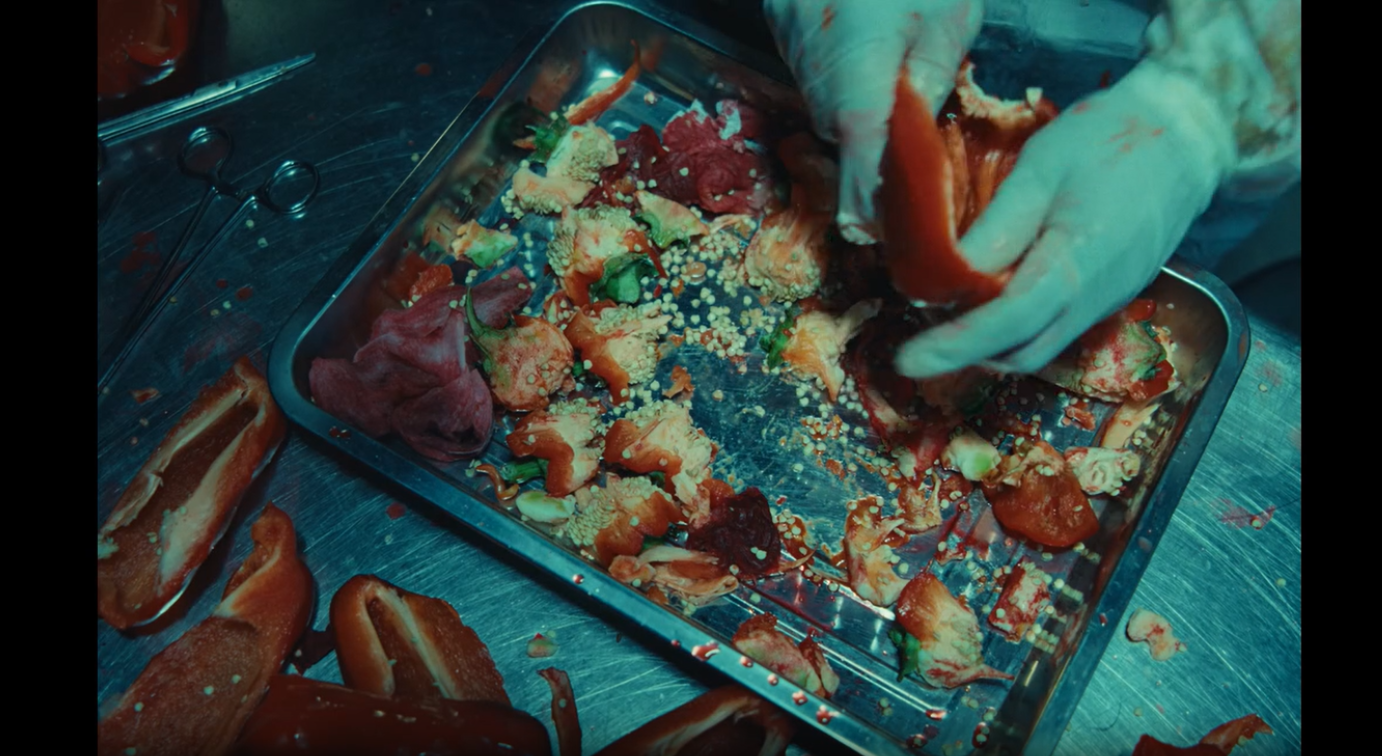
Every step of a standard slaughterhouse process was recreated using only plant-based ingredients. Stunning. Bleeding. Dismemberment. Evisceration. Each procedure was performed in full, on camera, using vegetables, fruits, and plant materials in place of the animals that would normally be present. The film was produced by The Maestros, directed by Cristóbal Portaluppi and Sepia, shot by cinematographer Francisco Obrador, and edited by Martin Santapau with colour by Ana Montaño.
The result is a film in which everything that usually triggers the viewer’s protective response to animal suffering has been removed, and everything that usually produces that suffering remains. The audience watches slaughterhouse procedures performed on things that cannot feel pain, in conditions that are otherwise identical to those in which animals are processed daily, and discovers that the discomfort persists without a victim to explain it.
The Philosophical Argument
The campaign’s logic rests on a single question that its final line articulates without embellishment: if cruelty becomes uncomfortable even when there is no victim, perhaps it is worth questioning why we accept the real version when there is one.
That question is not an accusation. It is an invitation to examine what the discomfort actually responds to when watching the film. The viewer who feels uncomfortable watching a plant-based evisceration is responding to the nature of the act rather than to the suffering of a specific creature. The act, removed from its victim, reveals something about why it exists and what it requires its practitioners and its consumers to compartmentalise.
Most animal rights communication asks people to extend their empathy outward, to feel on behalf of another creature. Choose Cruelty. Cruelty Free inverts that ask. It removes the other creature entirely and asks the viewer to examine their own response to the violence that remains. The discomfort that persists in the absence of a victim is the campaign’s entire argument.
The Creative Team
The campaign was developed at theplan Santiago under Chief Creative Officer Tomás Almuna and Chief Executive Officer Sebastien Leroux, with Executive Creative Director Cristian Costa and Creative Directors Oscar González and Patricio Orellana. Copywriters Benjamín Cancino, Esteban Inostroza, and Diego Castillo worked alongside Art Directors Eduardo Revetria, Camilo Roa, Juan Guerrero, Rayen Carrere, Martín Salinas, Felipe Lagos, and Christiaan Catalán. Head of Art Daniel Cariqueo completed the core creative team.
Animal Libre and the Broader Context
Animal Libre is a Latin American animal rights organisation operating primarily across Chile and Argentina, focused on raising awareness of animal suffering across food, entertainment, and research industries. The campaign coincides with a period in which Chile’s relationship with animal welfare legislation has been evolving: the country became the 45th nation to ban animal testing for cosmetics in 2024, a milestone that reflects growing public engagement with questions of animal welfare that campaigns like Choose Cruelty. Cruelty Free are designed to extend from the cosmetics shelf into the dinner table.
The closing line of the campaign is the most economical available summary of its argument: “This Independence Day, choose food. Not victims.”
Campaign Name: Choose Cruelty. Cruelty Free
Agency Name: theplan, Santiago, Chile / CCO: Tomás Almuna / CEO: Sebastien Leroux / Executive Creative Director: Cristian Costa / Creative Directors: Oscar González, Patricio Orellana / Production Company: The Maestros / Directors: Cristóbal Portaluppi, Sepia / Cinematographer: Francisco Obrador / Editor: Martin Santapau / Colorist: Ana Montaño
Brand Name: Animal Libre
Location: Chile (digital and film; launched September 2026 ahead of Chile’s Independence Day)