On October 8, 2026, Lionel Messi played his final match for the Argentina national team, a friendly against Benin at the Estadio Monumental in Buenos Aires. He walked off the pitch having given Argentina everything he had across 21 years, two World Cups as champion, three Copa Americas, and a record that may never be approached. Adidas had been with him for most of it. The farewell they built was not a single social media post or a 30-second film. It was a campaign assembled across months, with each piece arriving at the right moment, culminating in the most coordinated tribute a sports brand has ever paid to a single athlete.
The Partnership
Messi and Adidas have been connected since before most of his supporters were old enough to watch football. The partnership began in the early years of his career at Barcelona and was formalised through one of the most significant athlete sponsorship deals in sports marketing history. For over two decades, every boot Messi wore on a football pitch carried three stripes. Every kit he wore for Argentina was manufactured by Adidas. The relationship was not simply commercial. It was the kind of long-term association that becomes part of both parties’ identity.
The commercial record of that association includes the Impossible Is Nothing campaign of 2007, which is still studied as a benchmark of athlete-brand storytelling. The F50 boot line, developed specifically around Messi’s playing style, went through multiple generations across his career. The Adidas x AFA partnership gave Messi the kit he wore to win the 2022 World Cup in Qatar, the trophy that completed the only significant gap in an otherwise comprehensive record of achievement.
By the time Messi announced his retirement from international football in October 2026, the partnership had produced more than 15 years of shared campaigns, limited-edition product releases, and brand moments that had reached every football market on earth. The question of how to say goodbye to that relationship in a way that matched its scale was the brief Adidas set itself.
El Último Tango
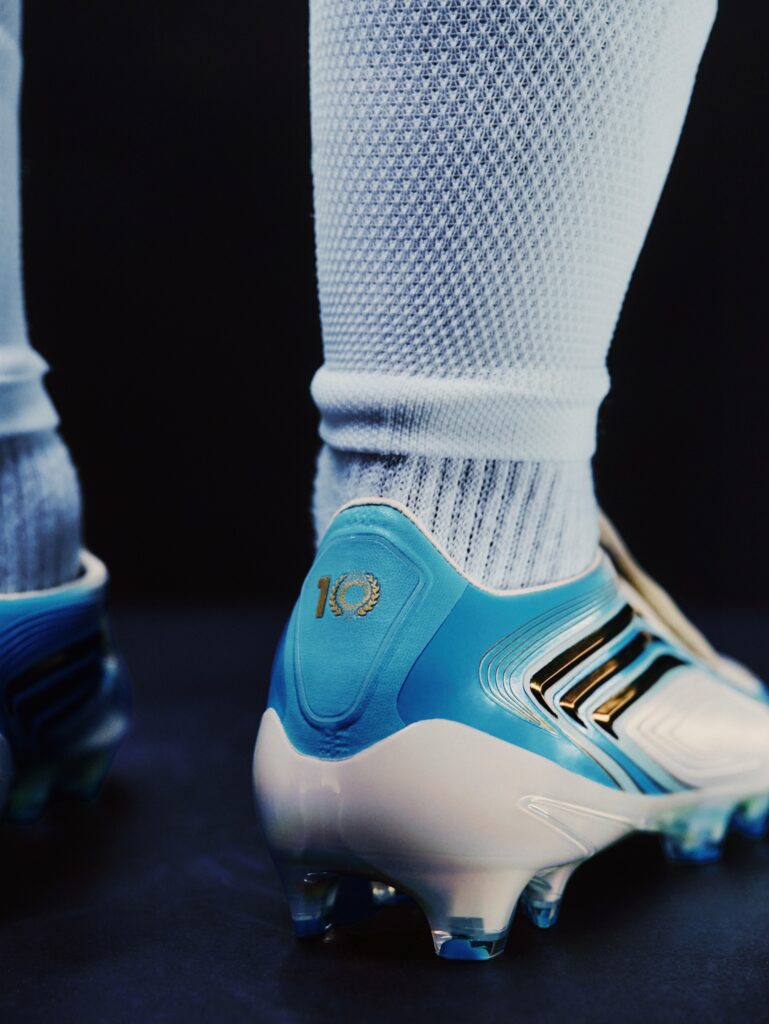
The farewell began in June 2026, before Messi had publicly confirmed his final World Cup. Adidas launched El Último Tango, a special collection conceived around a single creative idea: go back to where it started. The boots in the El Último Tango collection were designed with direct reference to the F50 Adizero that Messi wore at the 2006 World Cup in Germany, his first appearance on football’s greatest stage. The silhouette, the colourway, and the material choices all referenced that original boot while incorporating the performance technology developed across the two decades that followed.
The collection was not simply a heritage product. It was an argument about the arc of a career. The boots Messi wore at 18 and the boots he wore at 38 shared a design language that only Adidas could draw a continuous line through, because Adidas had made both of them. El Último Tango made that continuous line the product.
The Jersey and Rosario
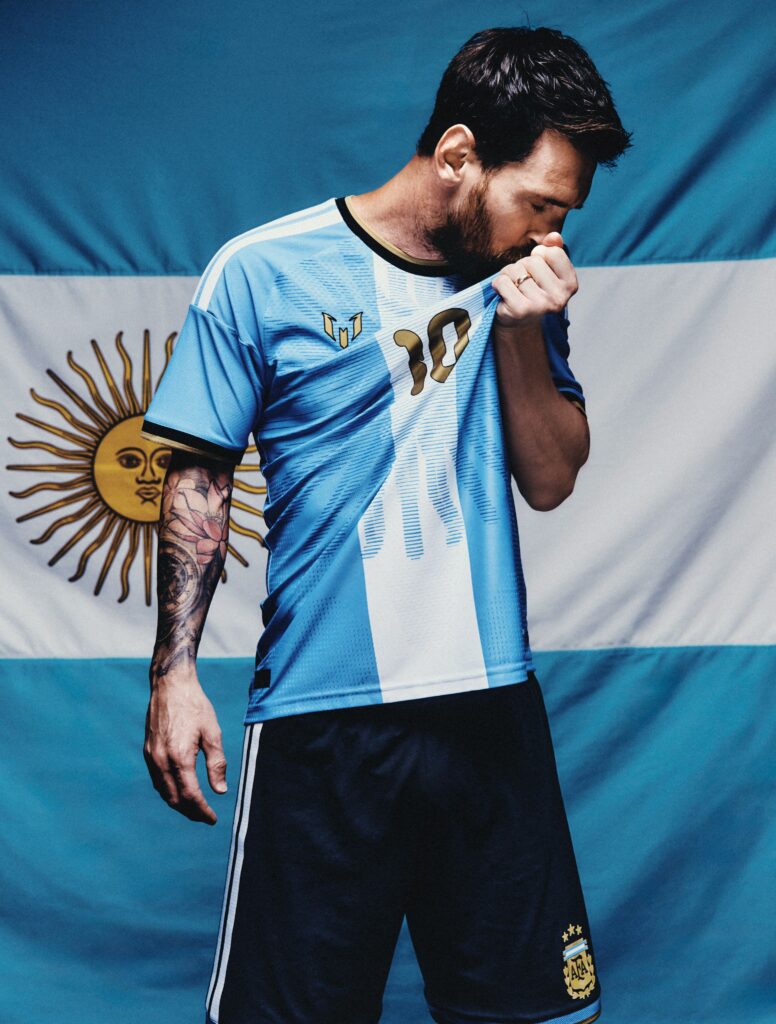
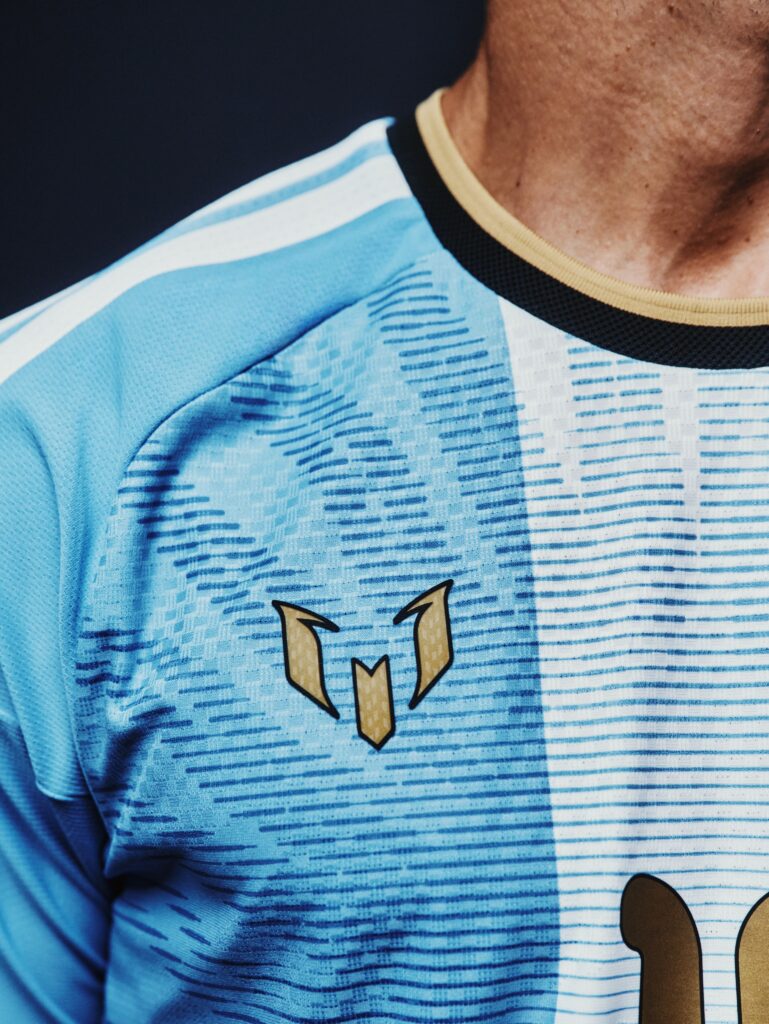
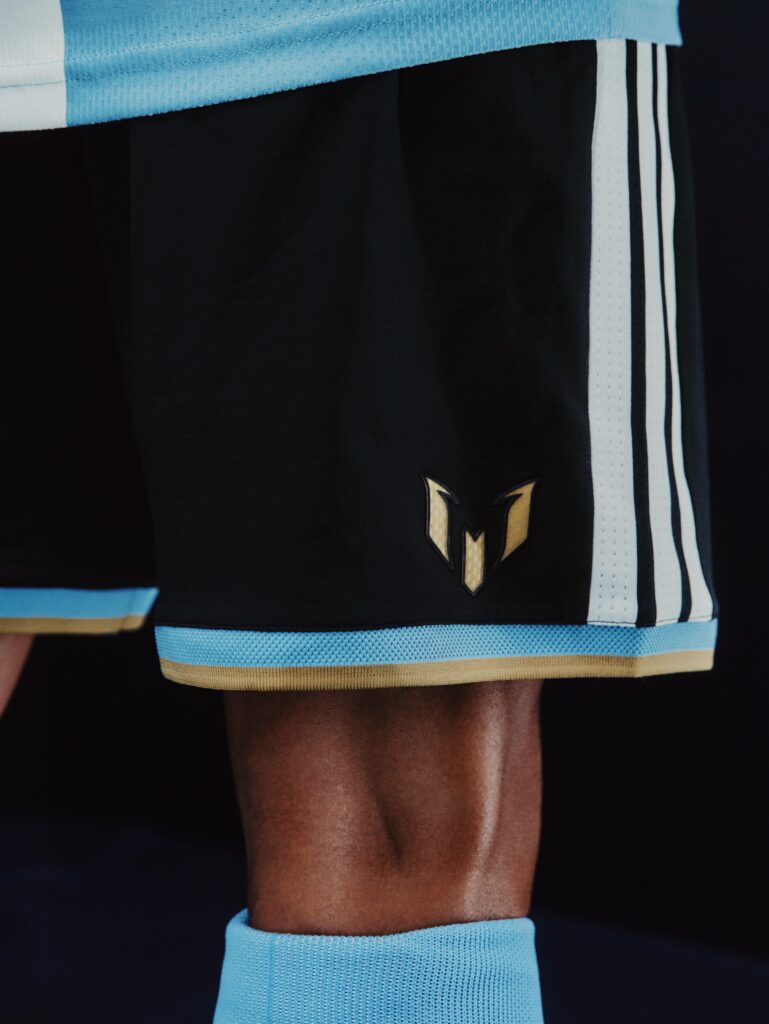
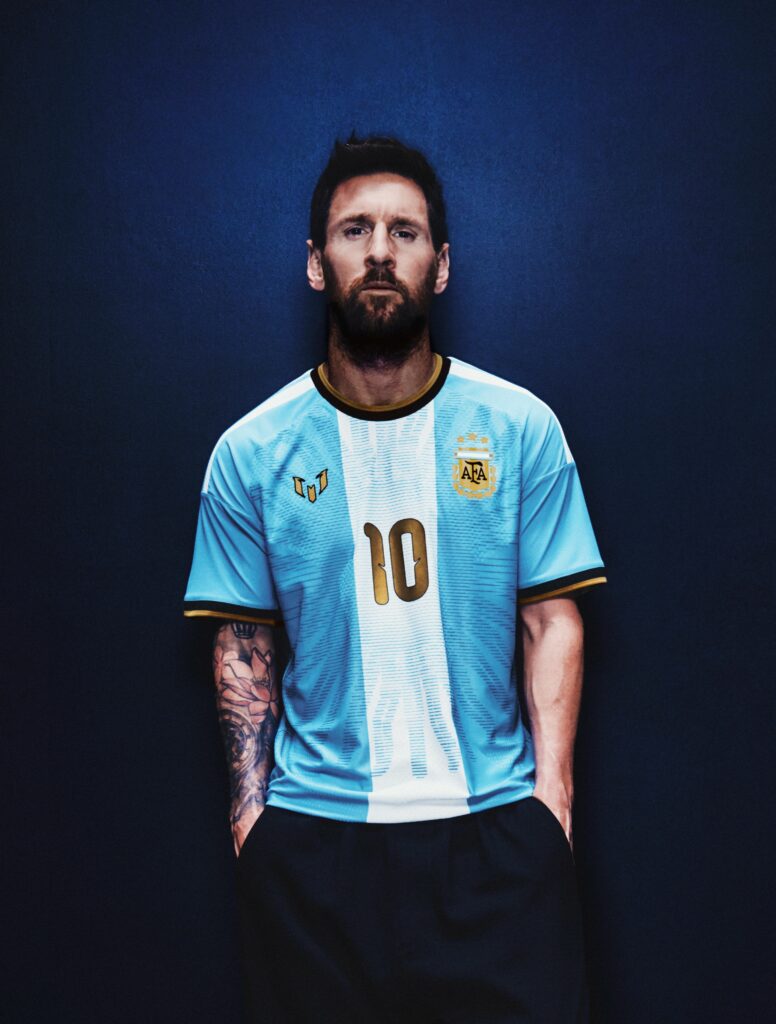
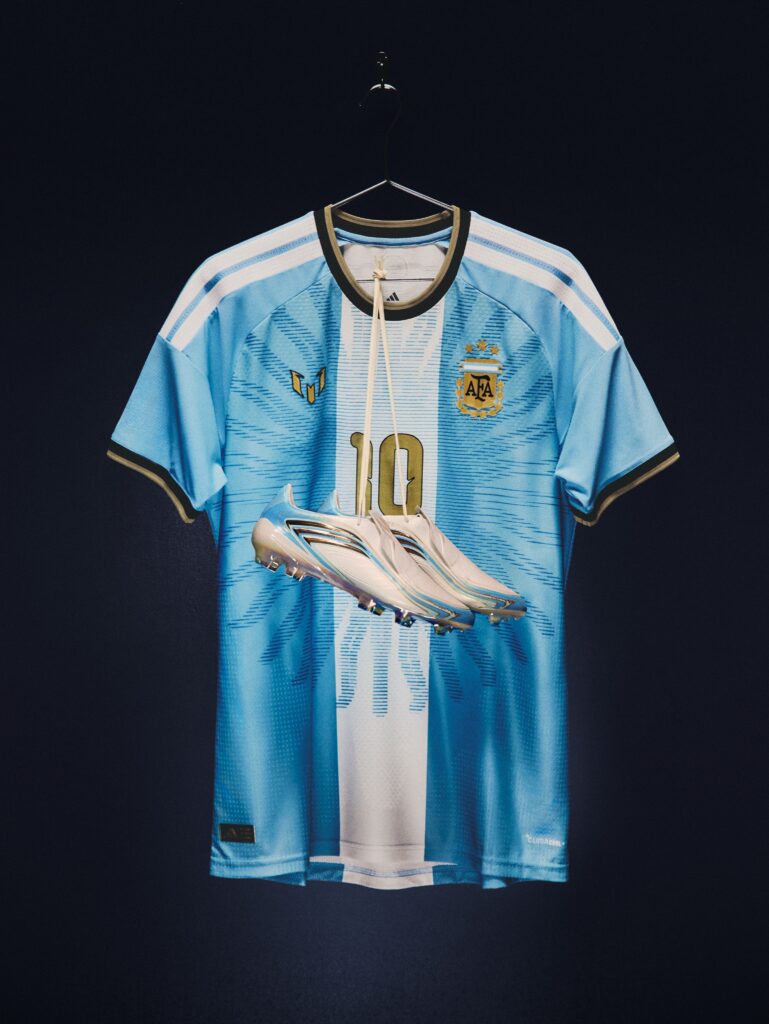
For Messi’s final match against Benin, Adidas produced a special edition AFA x Messi kit worn exclusively for that game. The jersey was not available as a general retail product. It was made for one night, for one player, for one match. The design incorporated elements from across the Argentina kits Adidas had produced during Messi’s international career, making it a wearable archive of everything the number 10 had achieved in national colours.
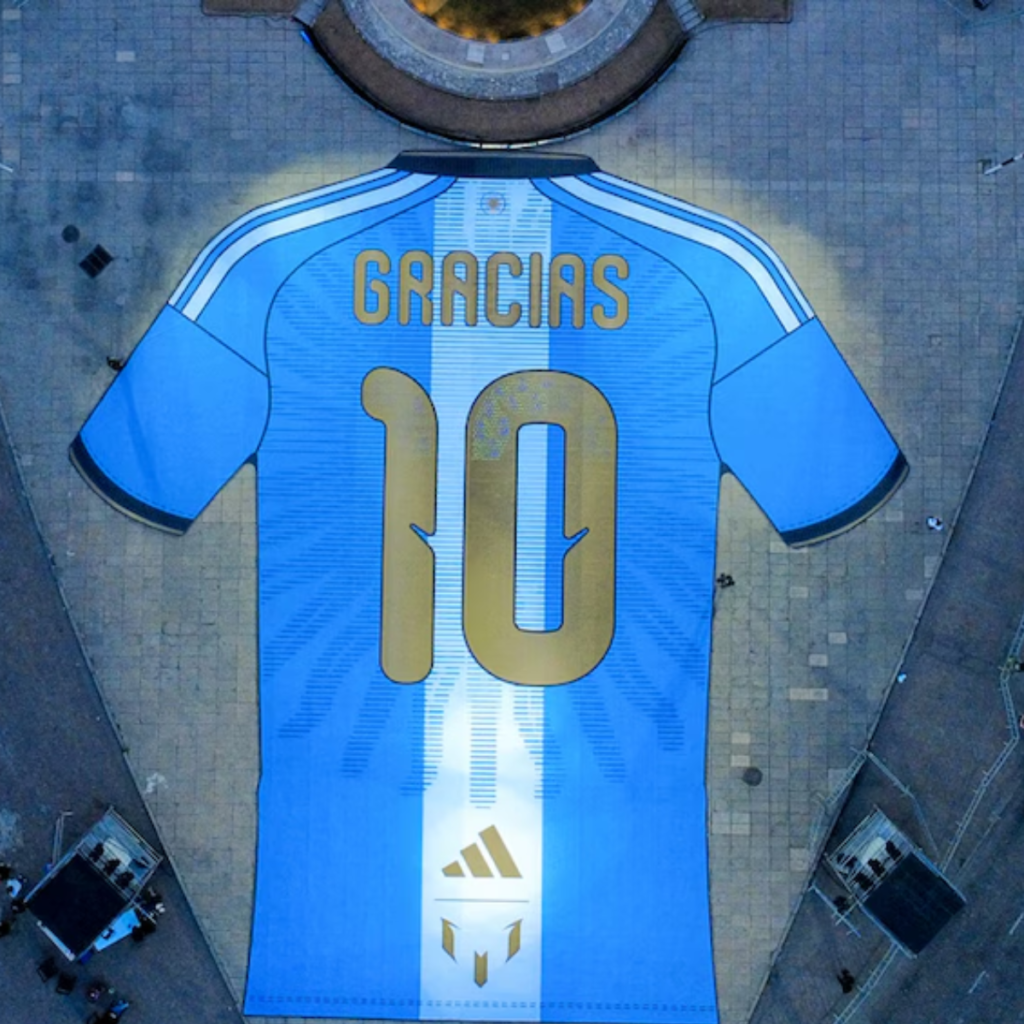
In Rosario, Messi’s hometown, Adidas deployed the campaign’s largest physical element. In collaboration with newcycle, a 30-metre replica of the jersey was installed at the National Flag Monument, one of Argentina’s most significant public landmarks. The installation carried two words across its surface: Gracias 10. The scale of the installation matched the scale of what was being acknowledged. The words were the simplest available statement of what a 21-year career for a country deserved.
The Profile Picture
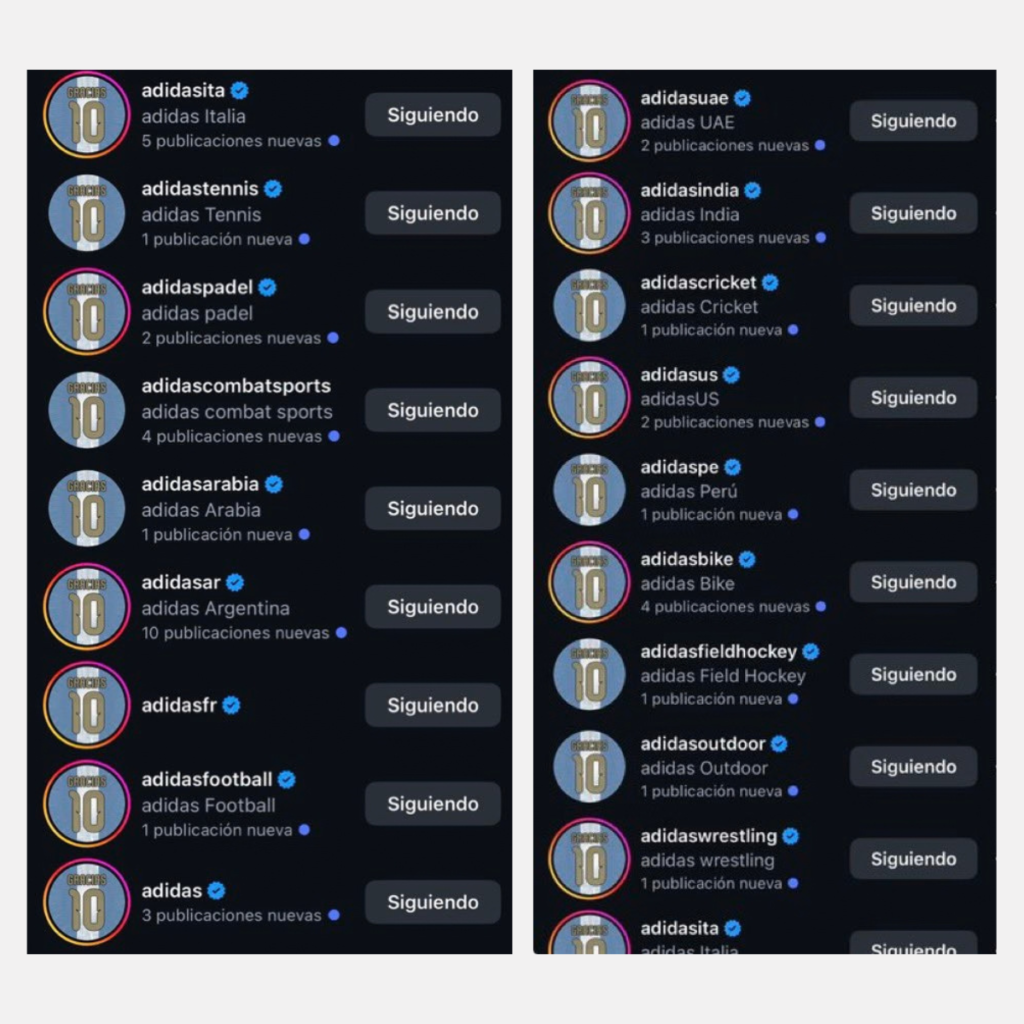
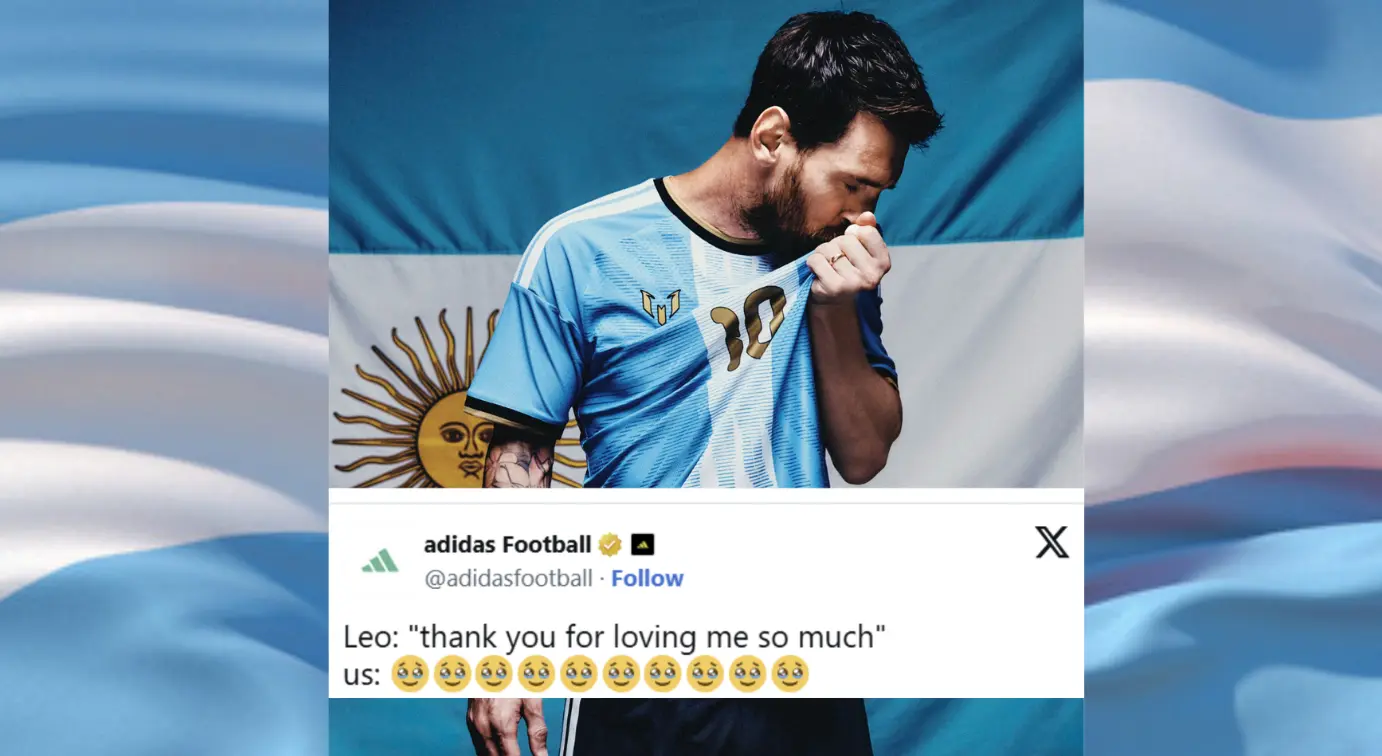
On October 6, 2026, two days before the final match, Adidas made its most coordinated single gesture. Every official Adidas social media account across the globe changed its profile picture to the same graphic: the number 10 shirt in Argentina’s white and light blue, with the words Gracias 10 across the front of it.
The accounts that changed included not only the main Adidas page and the football-specific handles but every brand category account the company operates. Adidas Football. Adidas Argentina. Adidas Tennis. Adidas Padel. Adidas Cricket. Adidas Outdoor. Adidas India. Adidas UAE. Adidas US. Adidas Wrestling. Combat Sports. Field Hockey. Every account that carries the Adidas name in any market or any sport replaced its profile with the same tribute to a footballer.
The gesture’s significance is in its scope. Most tribute campaigns are concentrated in the category most directly relevant to the athlete. Adidas changed its tennis account for a football player. It changed its wrestling account for a footballer. It changed its outdoor account for the man who has never played anything but football professionally. The tribute was not from Adidas Football to Lionel Messi. It was from Adidas to Lionel Messi. Every division. Every market. Every category. All at once.
A composite image of the changed profile pictures went viral immediately, showing the wall of identical Gracias 10 graphics across dozens of accounts simultaneously. The image was the campaign’s most widely shared single piece of content, more than any film, any installation, or any product release. It required no copy, no explanation, and no media buy. It required only every account Adidas operates to do the same thing at the same time.
The Film
Earlier on the same day as the profile picture change, Adidas released a farewell film featuring Messi’s voice over images of the special edition shirt, set to Mercedes Sosa’s Gracias a la Vida, one of Latin America’s most celebrated songs. The musical choice was precise. Gracias a la Vida, a poem by Violeta Parra set to music by Sosa, is a song about gratitude for the gift of being alive and experiencing the world. Applied to the end of Messi’s international career, the song converted the farewell into something larger than a sporting retirement. It was a statement about what a life in football had been worth.
Messi’s own words, recorded for the campaign and released alongside the film, completed the picture in the simplest terms available to him. “Dejé todo. Gracias por quererme tanto.” I gave everything. Thank you for loving me so much.
What the Campaign Achieved
The Gracias 10 campaign is not a campaign in the conventional advertising sense. There is no product it is asking anyone to buy, no service it is directing people toward, and no call to action beyond the acknowledgement of a career ending. It is a piece of brand communication whose commercial purpose operates at the level of reputation rather than transaction. Adidas spent two decades making the boots Messi wore. The way it says goodbye to that relationship is the final statement about what the relationship was.
The campaign’s design, across multiple months and multiple executions, reflects a principle that the best athlete-brand partnerships understand and most do not practice: the relationship has to end as it lived. If a partnership has been built on genuine creative collaboration, long-term commitment, and a consistent attempt to make the athlete’s achievements the centre of the communication rather than the product, the farewell should be built the same way. Adidas did not end its partnership with Messi by announcing new product. It ended it by saying thank you in as many ways and as many places as it could manage simultaneously, and then letting Messi have the final word.
He always did.
Campaign Name: Gracias 10 / El Último Tango
Agency Name: Not mentioned
Brand Name: Adidas / Adidas Football
Location: Global (social media, film); Argentina (Rosario installation, Buenos Aires match; October 2026)