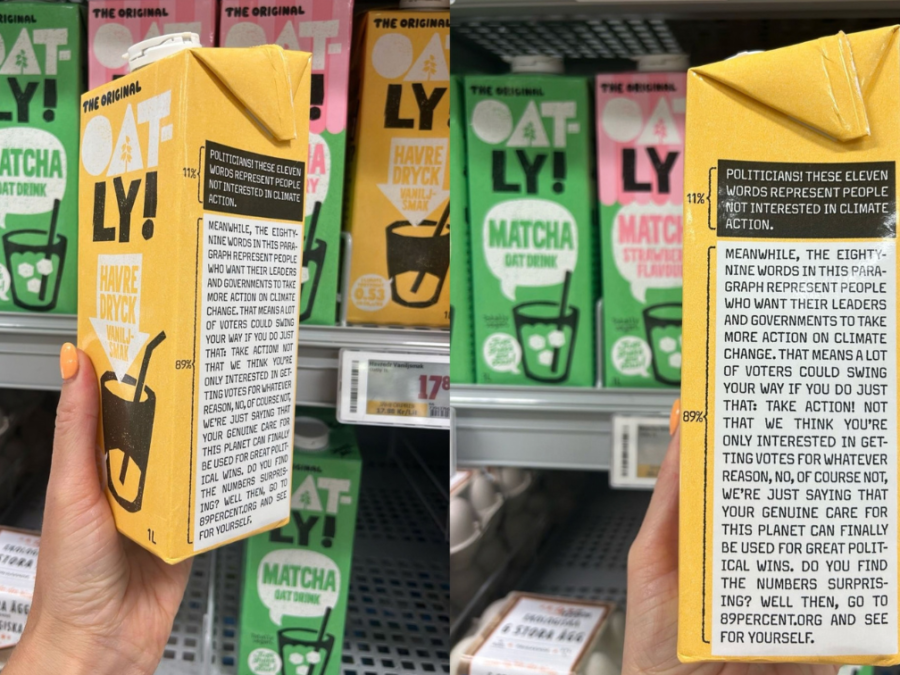
The United Nations declared the 2026 World Environment Day theme as “Inspired by Nature. For Climate. For Our Future” under the hashtag #NowForClimate, calling for nature-based solutions to climate resilience. Brands across India and globally used June 5 as a launchpad. Some ran films. Some changed their product. One ran a billboard of testicle skin. Here is what actually stood out.
Plastic Change: “These Nuts May Contain Traces of Plastic” (Denmark)
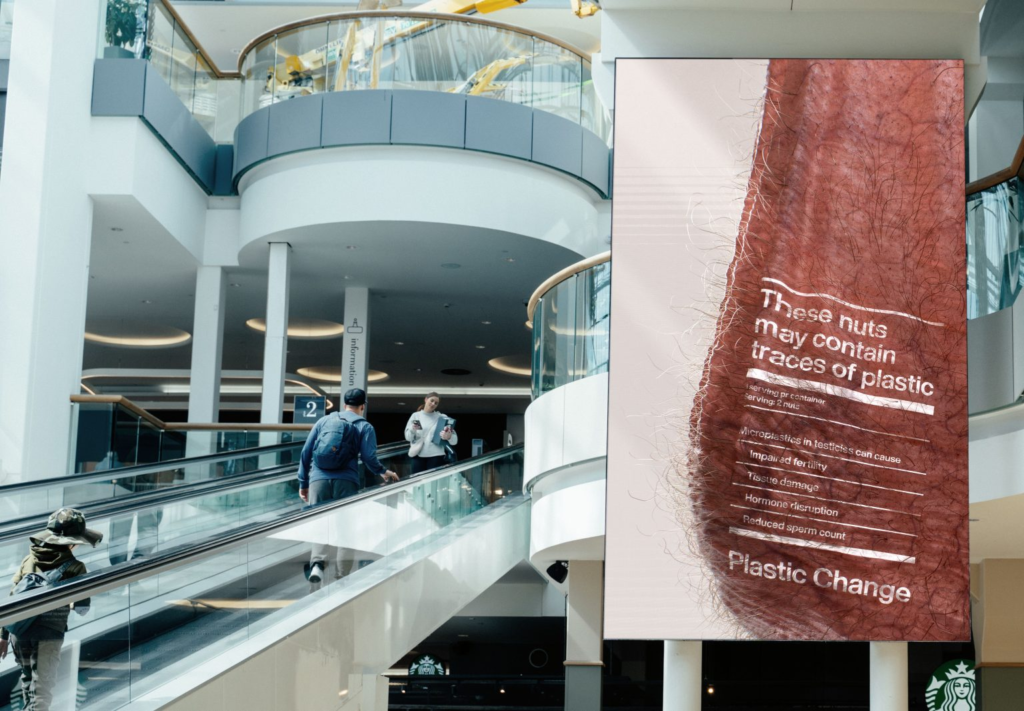
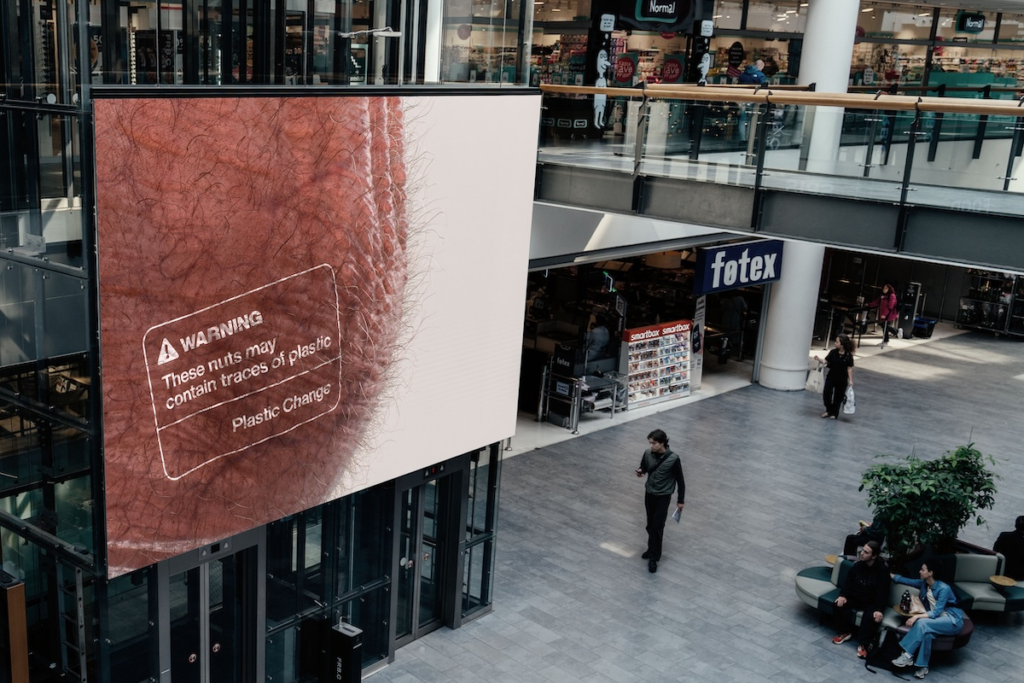
Danish NGO Plastic Change and independent agency Worth Your While launched the most provocative creative work timed to the occasion. OOH executions across Denmark showed hyper-real close-up images of testicle skin styled as food packaging, complete with nutrition-style labels listing microplastics as an ingredient and side effects including infertility and hormone disruption. The line flipped the universal food disclaimer “may contain traces of nuts” into an NSFW warning about what science has already found inside the male body.
The campaign is backed by peer-reviewed research: microplastics have been detected in every one of 23 human testicles studied, in every one of 40 semen samples tested, and in 80% of penile tissue samples from men undergoing surgery for erectile dysfunction. Tim Pashen, creative director at Worth Your While, described the strategic logic: “Environmental campaigns often struggle because the consequences feel distant. We wanted to make the issue impossible to ignore by connecting it to something deeply personal.”
Mother Dairy: India’s First Naturally Degradable Milk Pouch (India)
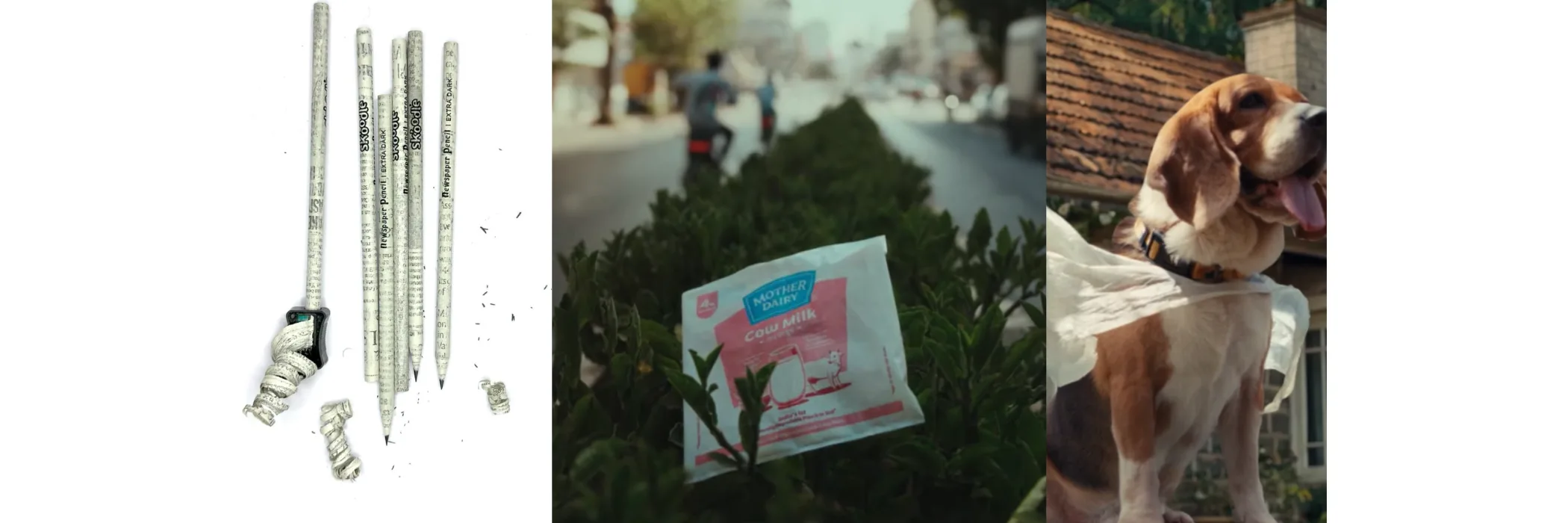
Mother Dairy launched India’s first naturally degradable-in-soil milk pouch on June 5, making the packaging innovation available through its Cow Milk variant in Delhi NCR. The campaign film, conceptualised by Ogilvy Gurugram with a soundtrack by Swanand Kirkire, opens with a milk pouch breaking free from a garbage truck mid-journey, floating through the city as if finding its own path back to the earth. The tagline “Jo maa rakhe sabka khayal, Mother Dairy ko hai us maa ka khayal” links the brand’s maternal positioning to the packaging’s environmental return.
The product decision is what gives the campaign credibility beyond a single-day film. Nearly two million packs a day will roll out in the new packaging from June 5, meaning the film is not a standalone environmental message. It is the communication layer for a genuine material change in how Mother Dairy’s most widely distributed product reaches consumers.
Zomato: Low Plastic Packaging Feature (India)
Zomato used World Environment Day to highlight its existing Low Plastic Packaging feature, which lets users identify restaurants using sustainable alternatives when ordering. The campaign film used dog-and-pet-parent moments to draw a parallel: just as dogs can be steered toward safer toys, customers can be nudged toward greener ordering choices. The approach is unusual because it is a product feature campaign rather than a standalone environmental pledge.
The commercial logic is straightforward. Zomato does not manufacture packaging. It cannot change what restaurants use. What it can do is build a filter that surfaces restaurants that already use better materials and make that filter culturally relevant once a year in a film that does not lecture anyone. The campaign turns sustainability from a brand claim into a user behaviour.
Skoodle: The Pencil That Has Already Saved 11,472 Trees (India)
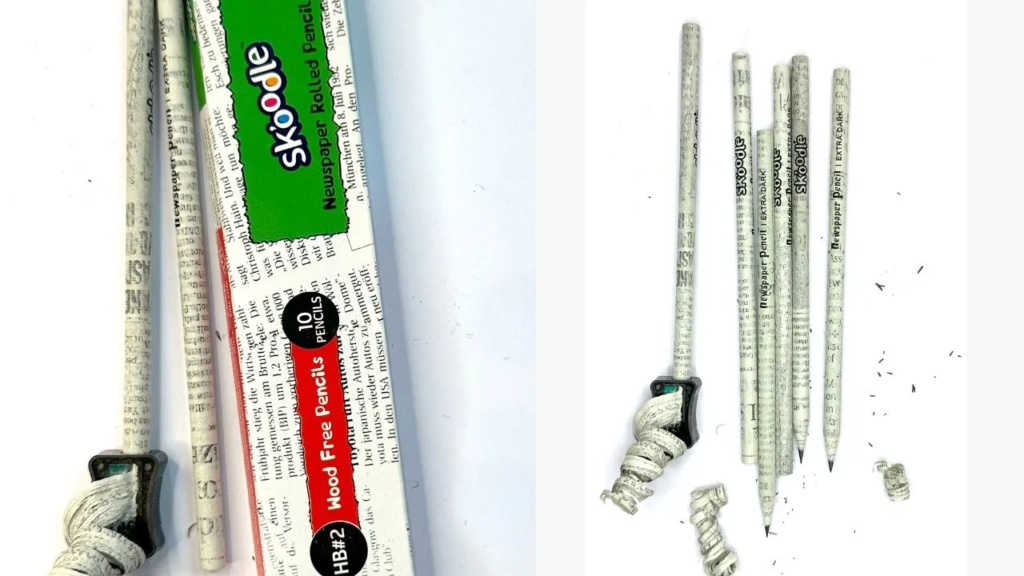
Stationery brand Skoodle used World Environment Day to share the cumulative impact of its recycled-paper pencil line, made from 100% recycled newspaper. Between 2018 and 2025, the brand’s sales have helped save over 11,472 trees and preserve roughly 51 acres of land. More than 103.25 million paper pencils have been sold in that period, with projections of another 36 million in 2026.
The campaign’s strength is in its specificity. A brand claiming to be sustainable is standard. A brand showing the exact number of trees its sales have displaced from being cut down, across seven years of verified data, is a different level of accountability. The everyday classroom product becomes the environmental proof point.
National Geographic India: “Nilgiris: A Shared Wilderness” (India)
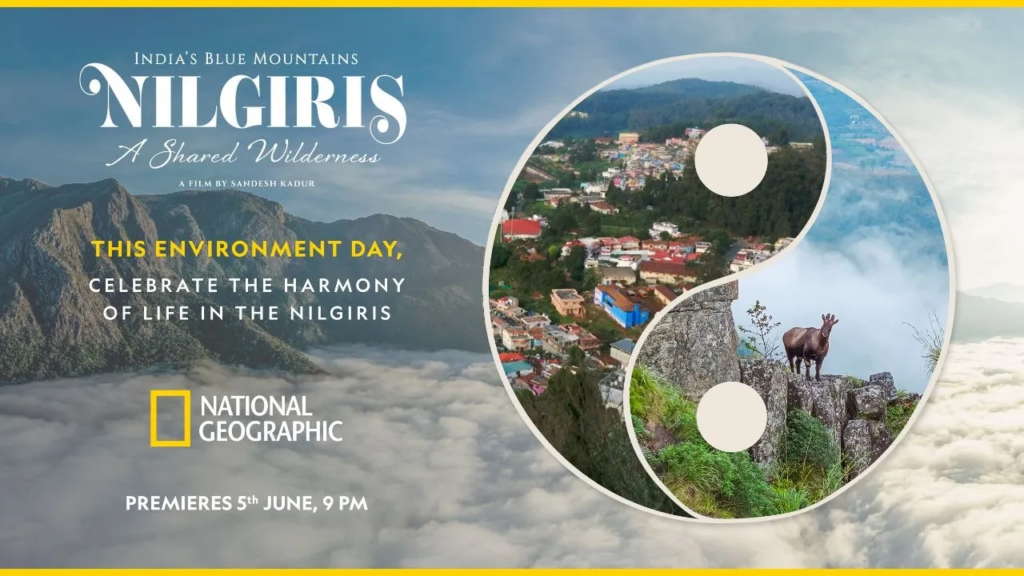
National Geographic premiered Nilgiris: A Shared Wilderness on World Environment Day, a feature documentary by National Geographic Fellow and filmmaker Sandesh Kadur, shot entirely in the Nilgiri Biosphere Reserve, India’s first recognised UNESCO biosphere reserve. The film documents how people, animals, and the land coexist in the Blue Mountains. Its score was composed by Susheela Raman, Sam Mills, and Neel Adhikari, and it won Best Sound at the 2025 Jackson Wild Media Awards.
Using a documentary premiere as the World Environment Day activation is a structurally sound decision. The film generates its own media coverage, its own audience, and its own cultural longevity beyond the single day it was released. National Geographic’s presence on the date carries editorial weight that most brand campaigns cannot access.
UNEP: “Now For Climate” with Alok (Global)
UNEP’s official global campaign appointed GRAMMY-nominated Brazilian DJ Alok as Global Goodwill Ambassador, using his multi-platinum track “Deep Down” as the activation vehicle for a worldwide dance challenge calling for climate action. The campaign asks audiences to step in #NowForClimate and launched with official events in Baku, Azerbaijan, which hosted the global observance, alongside parallel events in Nairobi and New York.
The music-and-participation format targets an audience that environmental documentary campaigns rarely reach, converting a global day of awareness into a social media moment with a built-in sharing mechanic. Alok’s reach across Latin America, Europe, and APAC gave the campaign geographic spread that most single-artist environmental collaborations cannot access.