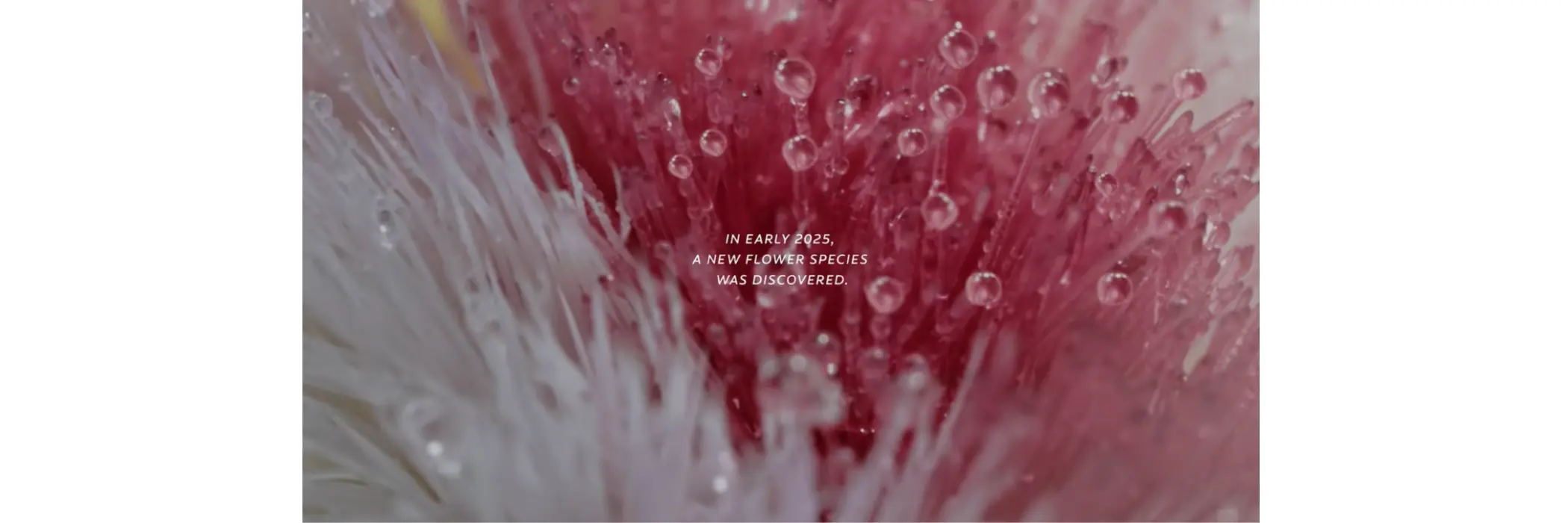
For five days in March 2025, visitors to Mumbai’s Veermata Jijabai Bhosale Botanical Udyan and Zoo encountered something they had never seen before. High-definition panels displayed a stunning new species of flower, identified as Indianis Dentris, photographed with the kind of macro detail that makes botanical specimens look otherworldly. Delicate fronds. Complex organic structure. The appearance of something genuinely discovered in nature. Social media filled with speculation about the origin and name of the bloom. Scientists and laypeople alike shared the images. Then Colgate told everyone what they were actually looking at.
The Reveal
Indianis Dentris is not a flower. It never was. The images were extreme macro photography of the bristle end of an overused toothbrush. The fronds, the apparent delicacy, the complex structure, all of it was the splayed, degraded bristles of a brush that had been in use far longer than any dentist would recommend.
The name itself is the joke with a point: Indianis for the Indian habit of extending the life of everyday objects well beyond their useful period. Dentris for dentistry, for teeth, for the specific consequence of that habit in one particular domain. A fictional species that accurately describes a real national behaviour.
The Cultural Insight
India has a deeply embedded cultural relationship with extending the utility of everyday objects. It is a practical, economical, and in many contexts entirely admirable habit. The same instinct that makes a family preserve a pressure cooker for forty years or repair a piece of furniture rather than replace it also applies to a toothbrush, creating a population that routinely uses brushes until the bristles are visibly bent and spread. Nearly one in two Indians continues using their toothbrush past the recommended replacement point, increasing their risk of cavities, gum disease, and bacterial accumulation.
Direct communication of that statistic does not change behaviour. Indians have heard dental hygiene messaging before. Ogilvy India, working for Colgate-Palmolive, designed a campaign that bypassed the conscious defence mechanisms around health messaging entirely by making the audience fall in love with the object before revealing what it was.
The Mechanism
The botanical garden format was chosen for a specific reason. A botanical garden is a space where people expect discovery, where unusual plant life is credible by default, and where the cognitive frame is wonder rather than suspicion. Installing Indianis Dentris in that context made the deception significantly more durable than it would have been anywhere else. Visitors brought their existing reverence for botanical discovery to the encounter. That reverence is what made the reveal land so hard.
The activation ran for five days at the garden. Social media activity during that period generated genuine theories, botanical discussions, and sharing from people who believed they were witnessing a real scientific announcement. The eventual reveal, delivered through Colgate’s channels and picked up by advertising, science, and general news media simultaneously, reframed every post that had already been made. People who had shared the flower images discovered they had shared a photograph of their own bathroom.
Juneston Mathana, Executive Creative Director at Ogilvy India, described the audience response: “We were glad to see social media explode with reactions, shock, awe, self-reflection.” Gunjit Jain, Executive Vice President, Marketing at Colgate-Palmolive India, framed the underlying goal: “The realisation that millions of people were unknowingly risking their health with old toothbrushes wasn’t just a message; it became a provocation that stayed with our audiences.”
The Campaign in the Awards Context
Indianis Dentris has been listed among Ogilvy APAC’s top 10 Cannes Lions contenders for 2026, a significant external validation for a campaign that ran as an ambient activation rather than a broadcast campaign. The Cannes shortlisting reflects the industry’s recognition that the work’s creative mechanism, using a natural history format to deliver a public health message through deception and reveal, is both original and structurally sound.
The campaign sits inside the broader category of advertising that earns its reach rather than buying it. The botanical garden installation cost a fraction of a television campaign. The media value generated by the social media spread of the Indianis Dentris images, and the subsequent coverage of the reveal, converted a five-day physical installation into a national conversation about toothbrush replacement that Colgate could not have purchased at any conventional media price.
Agency Name: Ogilvy India / Brand David Communications
Campaign Name: Indianis Dentris / India’s Newest Flower Species
Brand Name: Colgate-Palmolive India
Location: Veermata Jijabai Bhosale Botanical Udyan and Zoo, Mumbai, India