In Pakistan, henna is everywhere at a wedding. It covers the bride’s hands and feet in elaborate patterns, signals celebration, and carries centuries of cultural weight as a symbol of joy and new beginnings. Impact BBDO recognised that it was also the most powerful medium available to communicate something no one in that room was supposed to say out loud.
The Problem
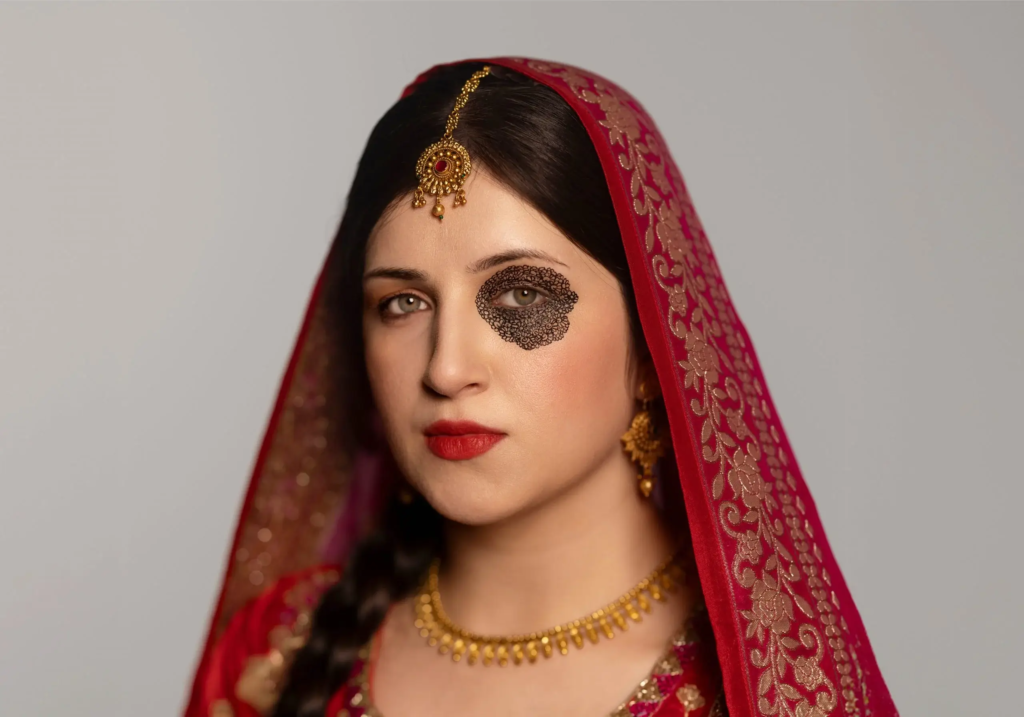
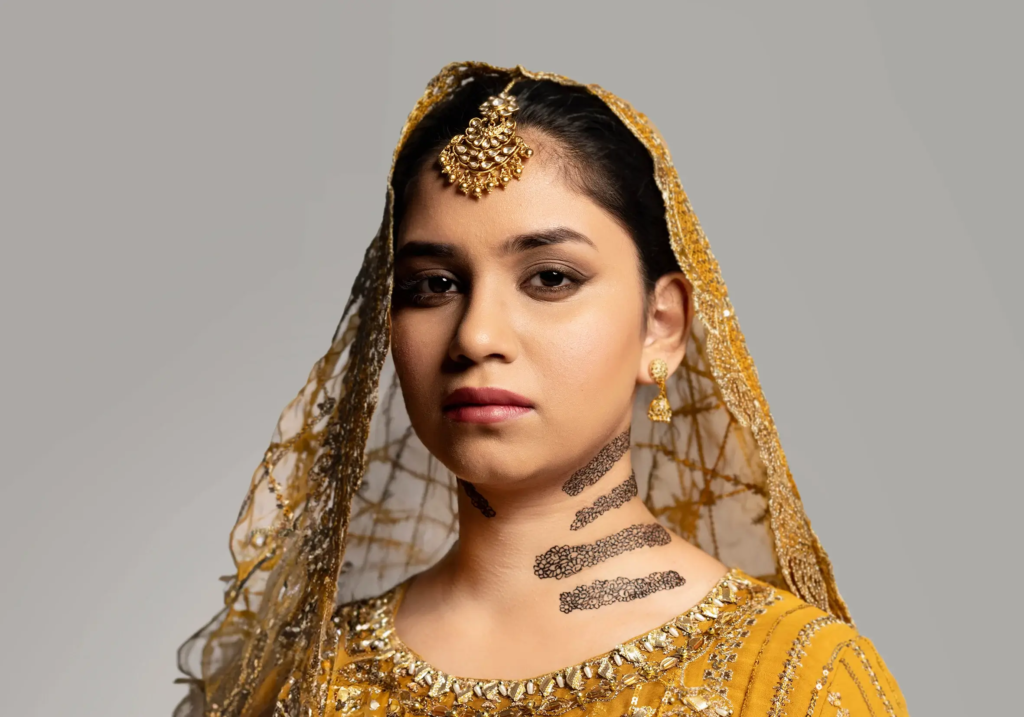
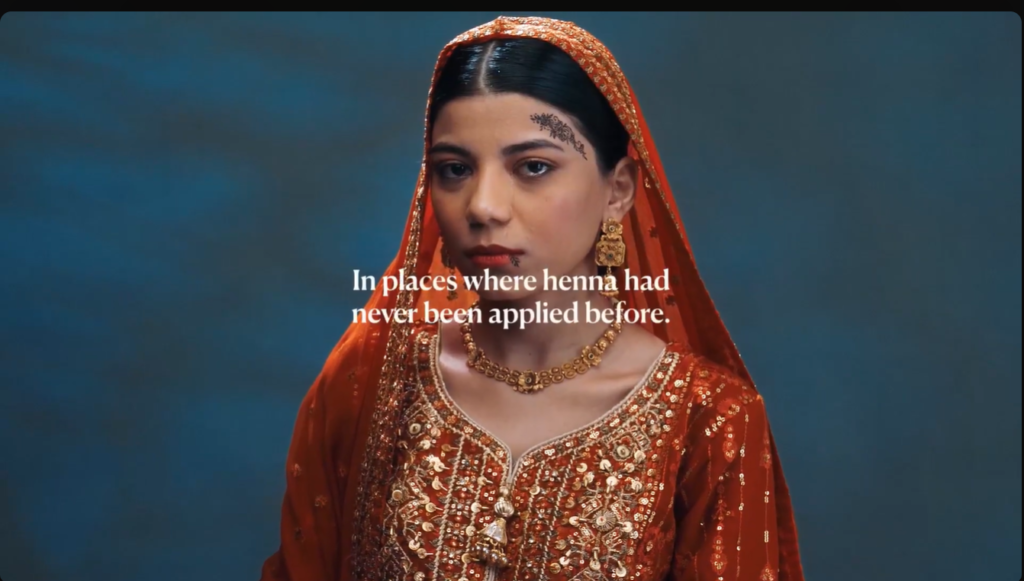
One in three married women in Pakistan faces physical and mental abuse from a spouse. That figure, 34% of married women, sits inside a country where reporting violence is actively deterred by fear of escalation, financial dependency, societal stigma around divorce, and a widespread belief among victims that what is being done to them is not a crime. More than half of women experiencing abuse never report it. Many do not know that a national helpline exists. The invisibility is not accidental. It is structural.
The campaign name is a deliberate compression of two ideas: ink and invisible. The henna makes the hidden visible. The wounds that brides carry into marriages, and the wounds that marriages produce, are drawn on the skin in the same medium used to celebrate the occasion that begins them.
The Creative Execution
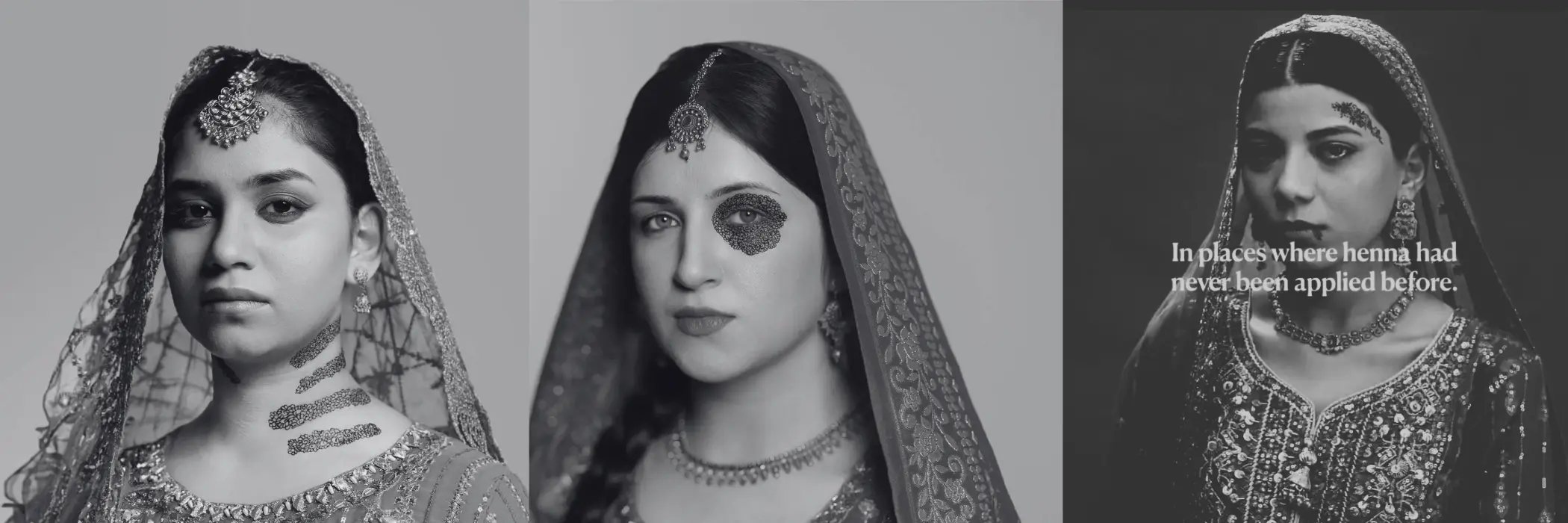
Three films were produced, each opening with a close-up of henna being applied to skin. As the camera pulls back, what appears to be an intricate bridal design resolves into something else entirely. In the first film, the henna forms a black eye. In the second, strangulation marks from a large hand encircle a bride’s neck. In the third, a cut lip and forehead injury are rendered in the fine detail of traditional henna work. The brides are fully dressed. The settings are bridal. The violence is drawn in the most celebratory ink available to Pakistani culture.
At the end of each film, the national helpline number of Pakistan’s Ministry of Human Rights appears on screen alongside UN Women’s data on the prevalence of spousal abuse.
Ali Rez, Regional Chief Creative Officer at IMPACT BBDO, described the strategic entry point precisely: “We decided to focus on the irony that while a marriage is meant to be celebrated, often it becomes the gateway for abuse. We looked for symbols of a happy marriage that we could pivot to use as a communication device, and henna stood out. Usually meant to adorn hands and feet, in our campaign, henna was instead applied in places it had never been before: the areas where bruises often occur as a result of domestic violence.”
How the Campaign Was Deployed
The films were released in November 2024, timed to the International Day for the Elimination of Violence Against Women on November 25. They ran across social channels and were screened at events across Pakistan. Posters went up in high-footfall female spaces in major cities. Plans were also made for billboards and broadcast commercials to extend the campaign’s reach beyond urban centres.
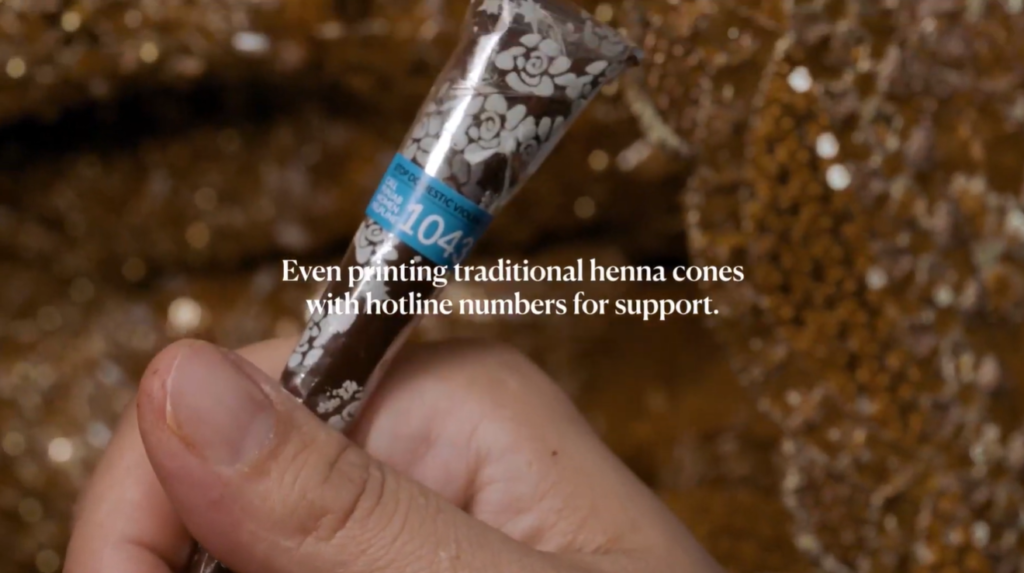
The most operationally significant element was the henna artist component. Henna artists, who are routinely invited to work on brides in the days before and on the wedding day itself, were trained to provide brides with information on how to seek help if they were in or feared an abusive situation. Henna application cones were printed with the national helpline number, turning a routine beauty service into a private, low-risk channel for reaching women in moments when they were in a familiar, trusted space. In rural communities where conventional media reach is limited, this channel carried the campaign into rooms that no billboard or film could access.
What It Produced
The campaign generated a 24% rise in awareness of the national helpline and a 19% spike in calls to it. Both figures represent direct, measurable contact between the campaign and the population it was designed to reach.
The results that extend beyond the helpline are harder to quantify and replicate. Female parliamentarians in Pakistan’s National Assembly publicly wore henna styled as wounds and bruises, photographing themselves and reposting the campaign while simultaneously pushing lawmakers to strengthen legislation on spousal abuse. Donor agencies joined the legislative call. The campaign moved from an awareness medium to a political instrument.
In February 2025, a bill protecting women from domestic violence was passed into law, with parliamentarians who had worn the InkVisible henna cited as active contributors to building the legislative coalition that passed it. A campaign that began as a creative communication device had contributed to a change in the legal architecture around one of the country’s most entrenched social issues.
Why the Idea Worked at This Scale
InkVisible did not attempt to reach its audience through shame or statistics. It reached them through the one symbol that Pakistani society unconditionally celebrates in the context of marriage. Using henna to show bruises does not require explanation, translation, or literacy. The visual logic is immediate. It works in a salon, on a phone screen, on a billboard, and in a parliamentary chamber.
The campaign is also the third collaboration between Impact BBDO and UN Women in Pakistan on gender based violence, following #BeatMe and The Bridal Uniform. Each campaign has used a different cultural symbol associated with femininity and marriage to address violence. The pattern suggests a deliberate long-term strategy of finding the specific objects and rituals that Pakistani society associates with women’s lives and inverting them to reveal what those lives sometimes contain.
Campaign Name: InkVisible
Agency Name: Impact BBDO / Production: Déjà vu Films
Brand Name: UN Women Pakistan
Location: Pakistan (national rollout); launched November 2024