
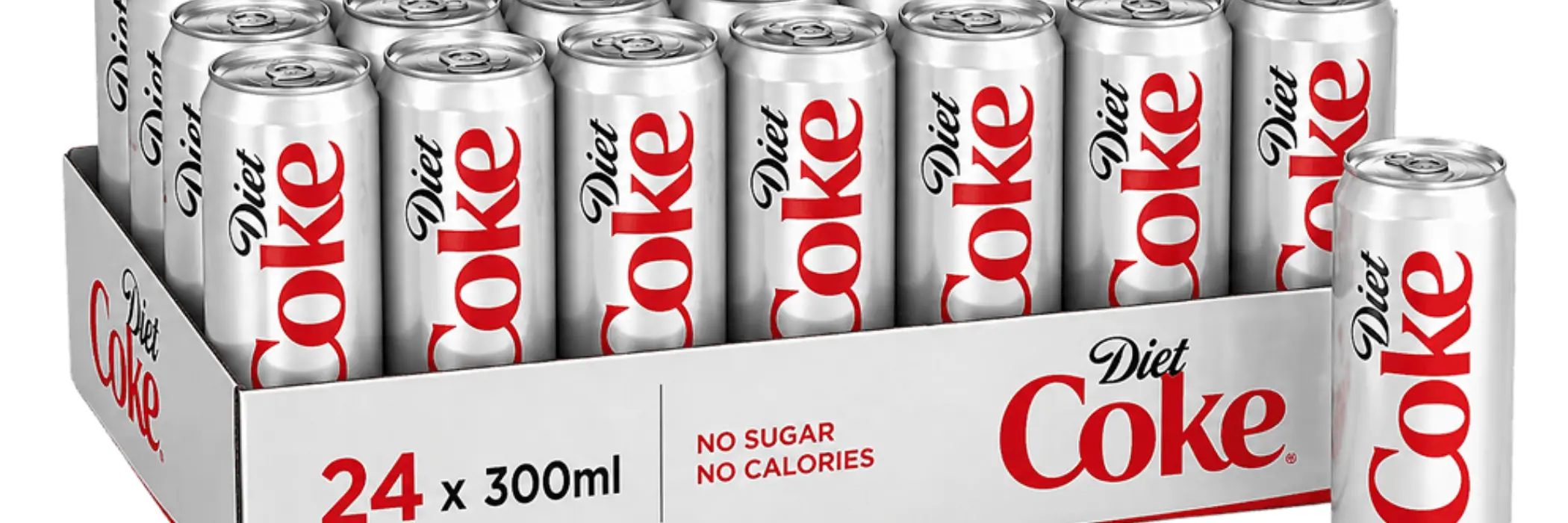
In April 2026, regular Diet Coke drinkers across India encountered the same thing: an “out of stock” label on Swiggy Instamart, empty café refrigerators, and supermarket shelves where the silver cans used to sit. It looked like a restocking delay. It was not.
The Packaging Problem Nobody Saw Coming
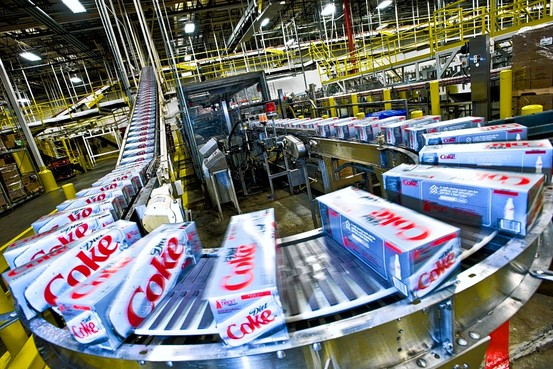
Diet Coke has a structural vulnerability that most beverages do not. While regular Coca-Cola and other soft drinks are sold across multiple formats, including plastic bottles of varying sizes, Diet Coke in India is sold exclusively in aluminium cans. That single-format dependency made it the most exposed product in Coca-Cola’s portfolio the moment aluminium supply tightened.
Two overlapping events triggered the crunch. In April 2025, India’s Bureau of Indian Standards introduced a Quality Control Order, making certification mandatory for imported aluminium cans, immediately slowing both domestic production and import pipelines. Then, in 2026, geopolitical tensions in the Middle East escalated sharply. The Iran conflict disrupted shipping activity through the Strait of Hormuz, one of the world’s most critical trade arteries. The Gulf region contributes approximately 9% of global aluminium production. Analysts estimate that up to 3.5 million tonnes of aluminium output could be affected in 2026, pushing the global market from a position of balance into a clear deficit. For a product packaged exclusively in aluminium cans, that shift was catastrophic.
Two Coca-Cola distributors confirmed the situation to reporters, with one stating plainly that orders were being placed but fulfilment was impossible because of war related shortages. Coca-Cola declined to comment. Mumbai and Delhi, cities with the highest urban demand and fastest stock turnover, reported the most severe gaps. Aluminium prices in India had already risen to approximately ₹317 per kg earlier in the year, with further increases expected.
Coca-Cola’s Response and the Substitute Problem
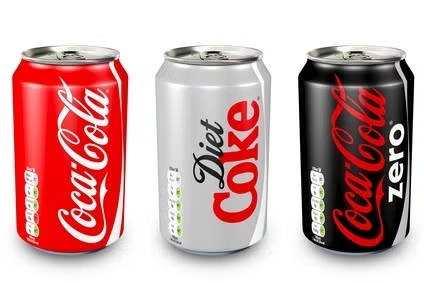
With Diet Coke supply constrained, Coca-Cola reportedly prioritised production volume for its higher-demand products, regular Coca-Cola and Coke Zero, further reducing whatever Diet Coke inventory remained in the system. The company began pushing Coke Zero as an alternative in markets where Diet Coke had disappeared.
The substitution created a secondary problem. Loyal Diet Coke consumers do not simply swap to Coke Zero. The two products use different sweetener formulations and have distinct taste profiles. For habitual buyers, the format they associate with their routine is part of the product itself. The slim silver can, the specific taste, and the act of reaching for it on a grocery app are all components of the purchase. When the packaging disappears, the product is gone in the consumer’s mind, even when the formula still exists.
For Coca-Cola, the shortage also created direct shelf space for competitors. Every week that Diet Coke was absent from a consumer’s routine app order was an opportunity for flavoured sparkling water brands, sugar-free alternatives, and other low calorie beverages to enter that slot.
The Internet Took Over Before the Brand Could Respond
Before Coca-Cola had said anything publicly, the shortage had already become a social media trend. Reddit threads in Indiranagar and other urban neighbourhoods in Bengaluru, Mumbai, and Delhi are filled with posts comparing stock availability across apps. Screenshots of “out of stock” listings circulated widely. Content creators posted mock crisis videos. Some users filmed themselves finding a chilled can as if it were a rare discovery. Others showed bulk purchases displayed like luxury goods. The phrase “emotional support in a can” started appearing across posts describing what Diet Coke meant to daily routines.
Gen Z, the demographic most likely to document minor absences as cultural events, treated the shortage as entertainment. The product’s disappearance became the content. That shift from logistics problem to brand narrative happened entirely without Coca-Cola’s participation, which is precisely the problem. When a brand goes silent on a shortage that its consumers have already made viral, the internet writes the story, and the story rarely favours the brand.
What the Shortage Actually Reveals
The Diet Coke shortage did not happen because demand fell or because the product lost relevance. It happened because a single format dependency on aluminium cans, combined with a policy change domestically and a conflict thousands of miles away, removed the packaging that makes the product exist in the consumer’s world.
That sequence of cause and effect is now a standard risk profile for any product that depends on a single raw material, a single trade route, or a single format. The Iran conflict affected Diet Coke availability in Indian cafés not through any decision Coca-Cola made, but through the mechanics of a supply chain that modern marketing plans rarely account for until it breaks.
India remains a key growth market for Coca-Cola. The company recorded sales of ₹50 billion in the 2024-25 fiscal year, its highest since at least 2021. Demand for sugar-free beverages has been rising consistently, with India’s reduced-sugar food and beverage market projected to reach $4.7 billion by 2030. The shortage arrived at the worst possible commercial moment: a growing category, a product with genuine demand, and empty shelves.