In 1959 seven women on a Mumbai rooftop turned a borrowed 80 rupees into a multimillion dollar cooperative. Shri Mahila Griha Udyog Lijjat Papad operates without a traditional corporate hierarchy scaling into a 1600 crore enterprise by prioritizing a “Sarvodaya” philosophy or progress for all.
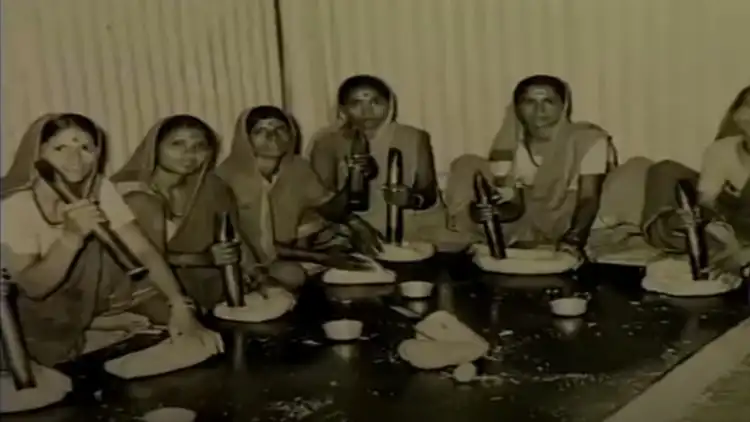
The physical execution of the brand relies on a decentralised supply chain that functions without massive factory overhead. Every morning before dawn thousands of “sisters” gather at local branches to collect fresh dough. They return home to roll the papads, leveraging their own domestic spaces as standardised production units. This model eliminates the need for centralised real estate while providing over 45000 women with immediate financial agency. Quality control is maintained through surprise home inspections and the mandatory use of standardised aluminium rolling pins to ensure product uniformity across 82 branches.

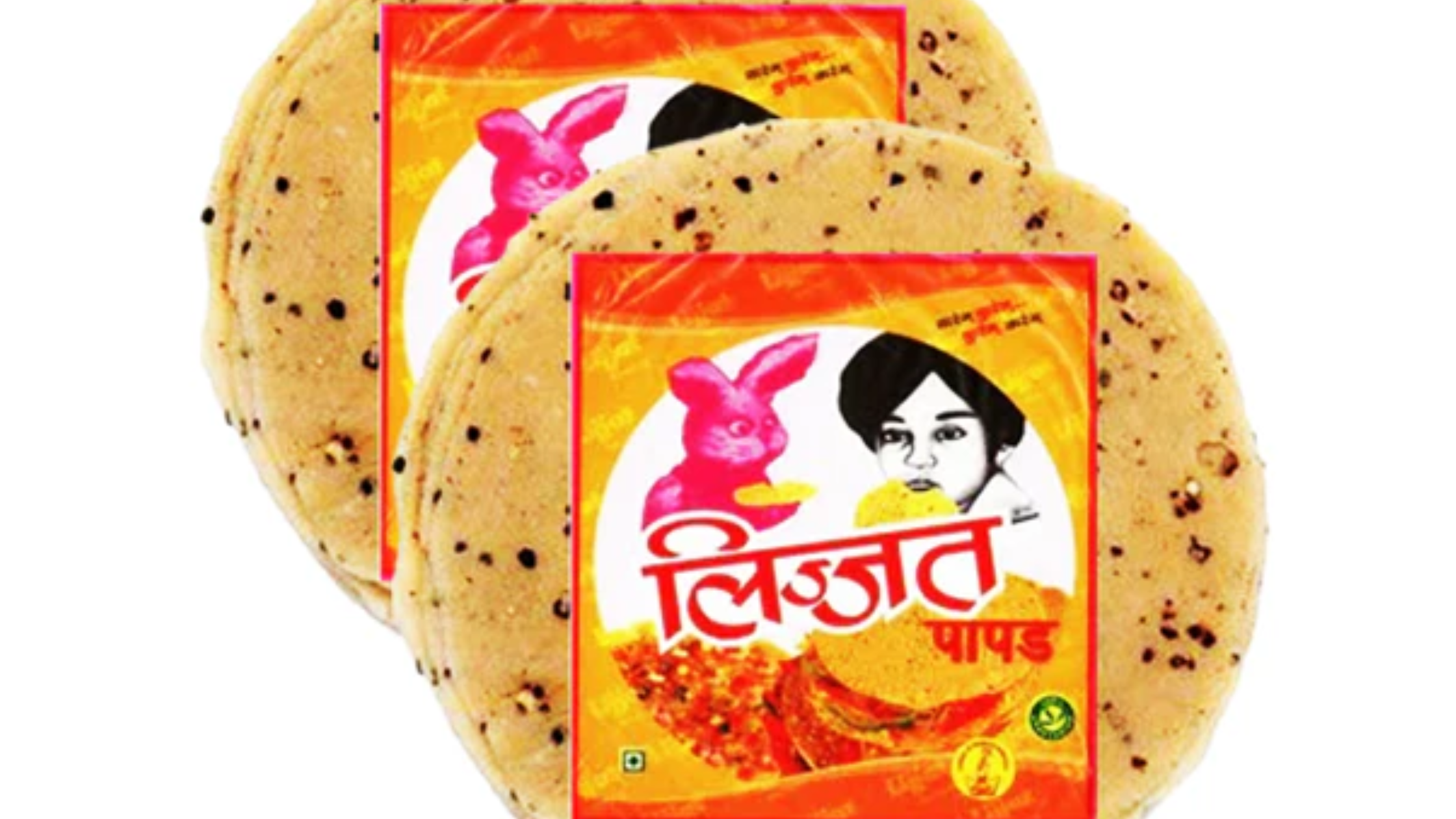
The brand’s marketing strategy famously avoids heavy PR jargon, spending less than 0.2% of its turnover on traditional advertisements. Instead, it relies on the iconic “Bunny Rabbit” television campaign and its catchy “Karram Kurram” jingle to build top of mind recall. The execution focuses on “word of mouth” as the primary driver, ensuring the product is stocked in every neighbourhood shop regardless of its size. By positioning the papad as a household staple through consistent quality rather than flashy digital campaigns, Lijjat has maintained a dominant market share for over six decades.
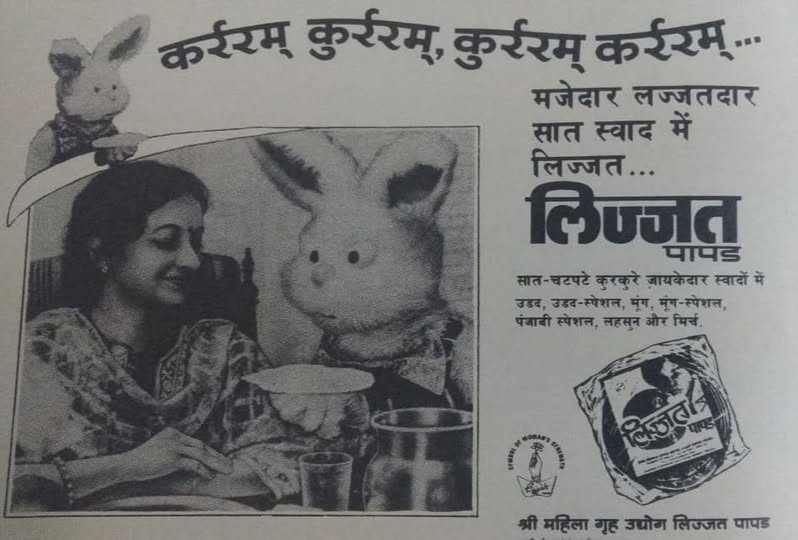
A pivotal moment in this marketing journey was the 1962 public naming contest. Realising the need for a distinct identity to scale the cooperative invited the public to suggest a name for a prize of 5 rupees. The winning entry “Lijjat” meaning “tasty” in Gujarati gave the product a professional brand identity while keeping its grassroots soul. From a marketing perspective, this was an early masterclass in crowdsourcing. It created instant community buy in and brand loyalty before the product even hit mass retail. By letting the people name the product, the organization bypassed the need for high cost agency branding and ensured the name felt authentic to its consumer base.
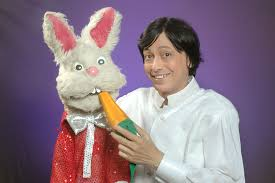
This foundation allowed for the later success of the “Karram Kurram” campaign. Created by ventriloquist Ramdas Padhye, the muppet bunny and rhythmic jingle translated the physical crunch of the papad into a recognisable audio trigger. This sensory branding ensured that the product’s sound was as famous as its taste.
Recent digital efforts, including localised Instagram storytelling, attempt to bridge the gap with younger demographics. The narrative emphasises “main character energy” by showcasing the sisters as co-owners and entrepreneurs rather than employees. This alignment with modern values of female empowerment and social impact allows the brand to stay relevant to Gen Z consumers who prioritise ethical consumption. The story of Lijjat remains a case study in how a grassroots physical operation can outperform high budget corporate competitors through radical transparency and collective accountability.
Campaign Name: Karram Kurram
Agency Name: Not mentioned
Brand Name: Shri Mahila Griha Udyog Lijjat Papad
Location: India (Global Export)