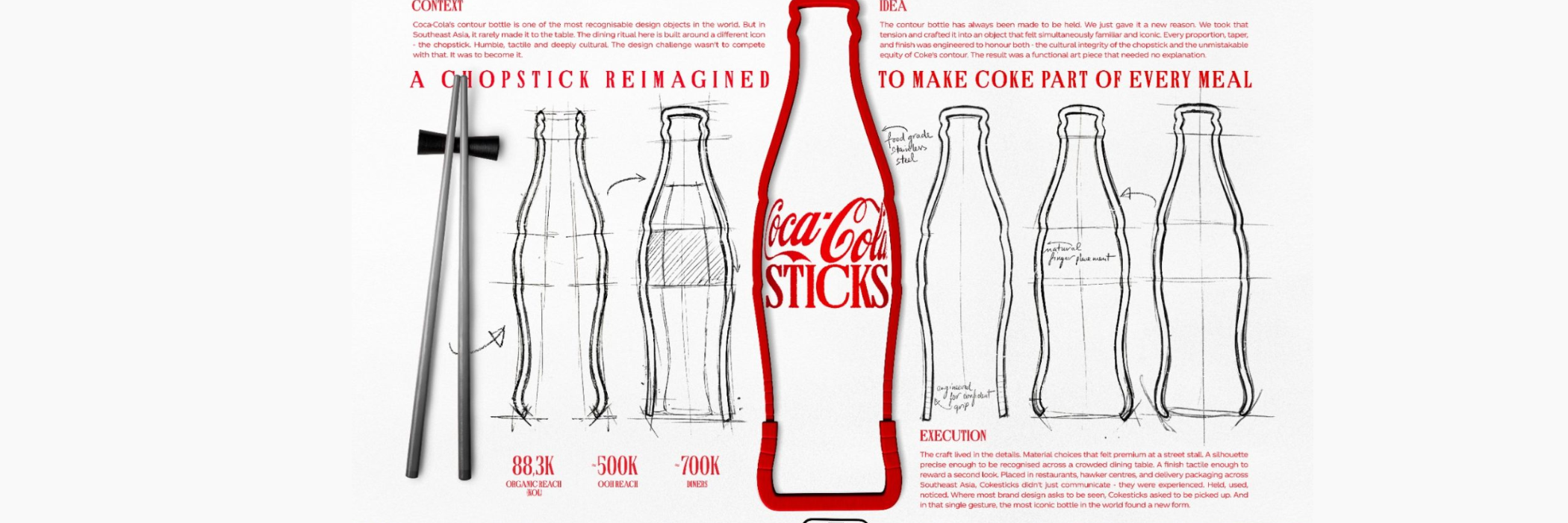
Coca-Cola’s contour bottle is one of the most recognised design objects in the world. In Southeast Asia, it rarely reaches the dining table. The chopstick does. That gap between a globally iconic shape and the most culturally embedded dining utensil in the region is exactly where Ogilvy found the brief.
The Problem the Campaign Identified
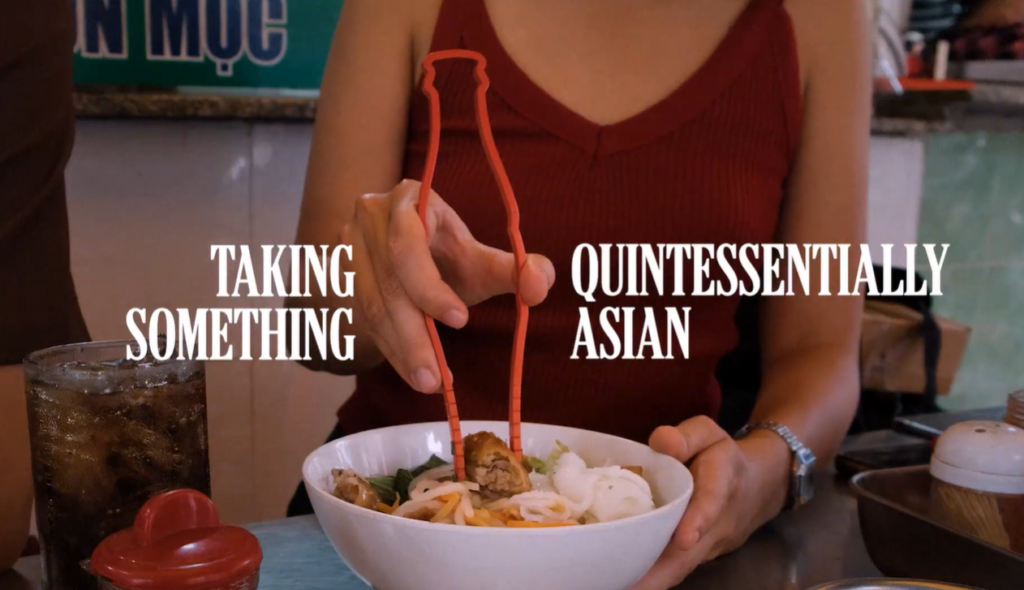
With Western food, Coke is a default order. With Asian food, it is not. Across Southeast Asia’s restaurant, street food, and hawker culture, the meal ritual is built around rice, noodles, and the chopstick. Coke’s strongest product equity, the bottle shape and the occasion of enjoying a cold drink with food, was not reaching the table at the moment food decisions were being made. The campaign needed to close that gap without forcing an association that felt external to the culture it was entering.
The Object
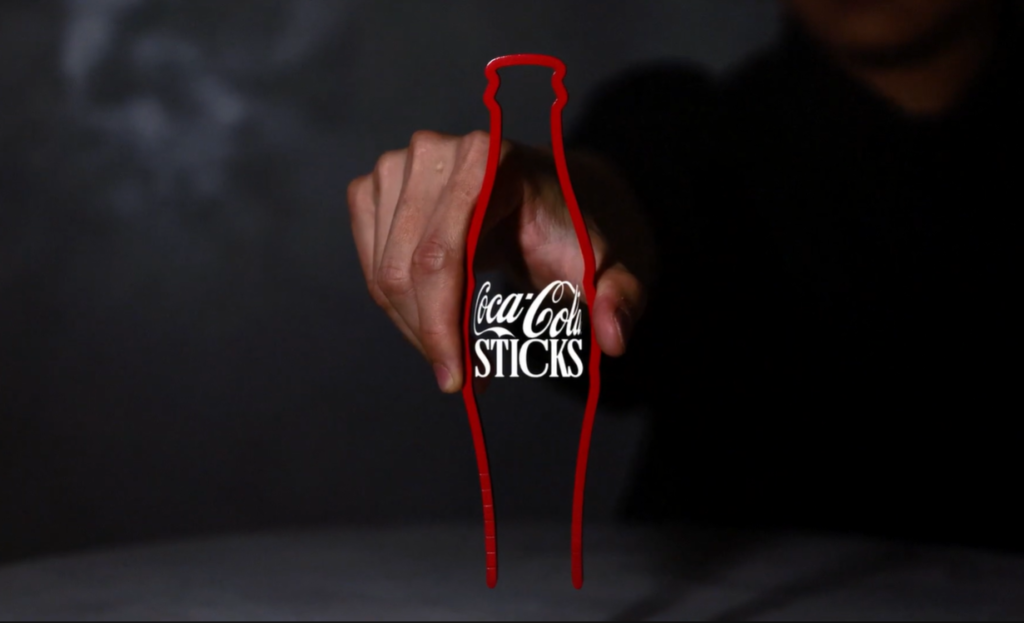
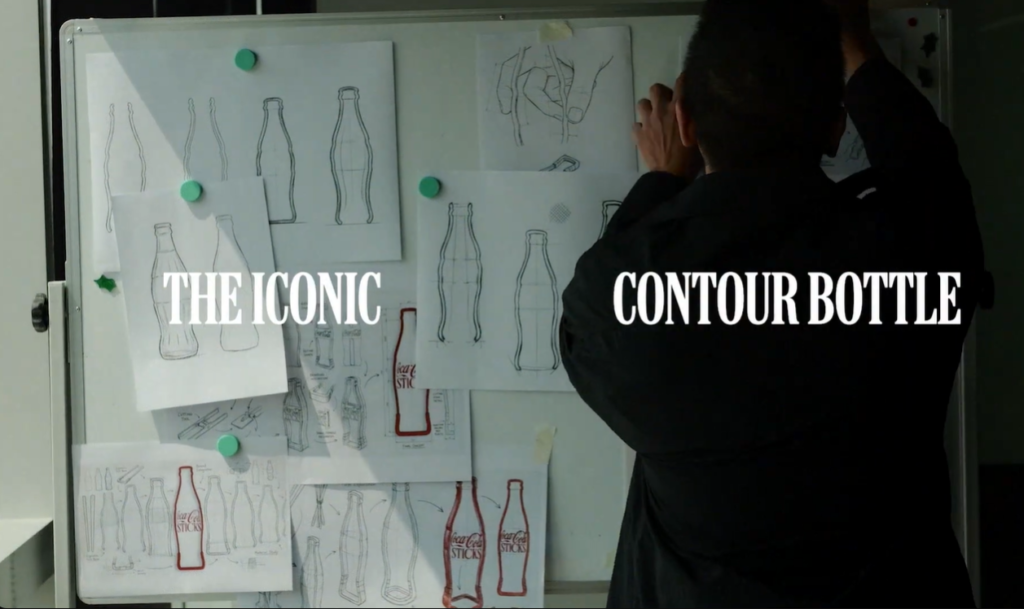
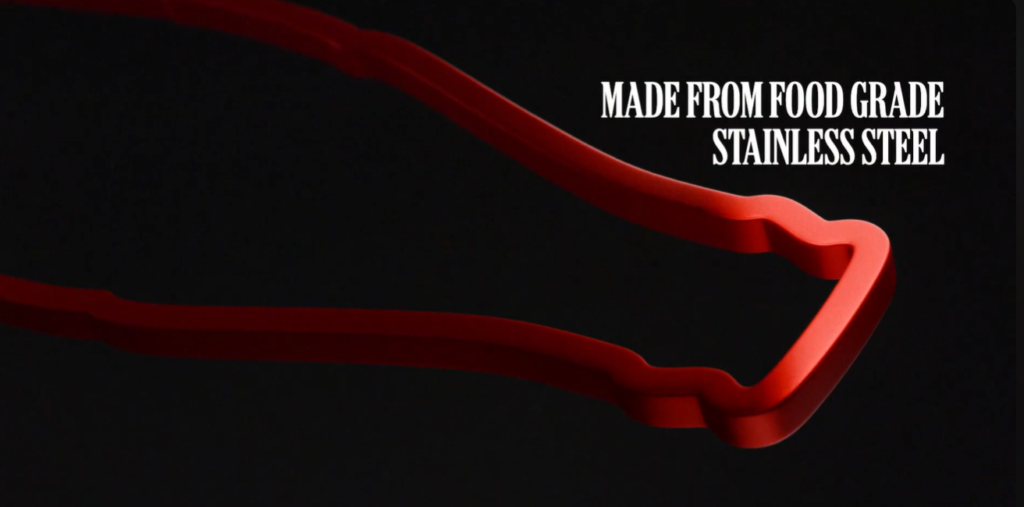
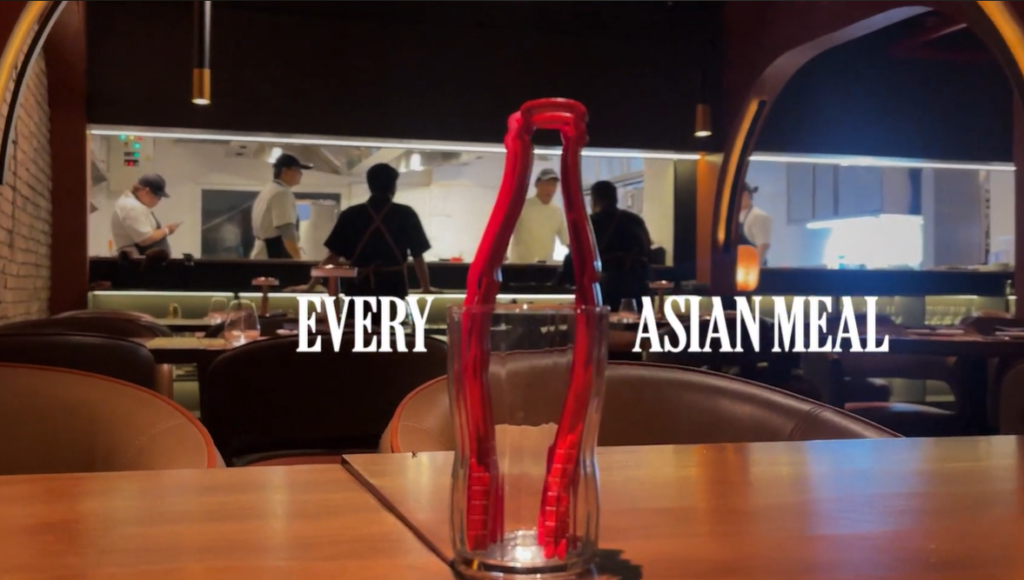
CokeSticks are a functional chopstick engineered in food-grade stainless steel, every proportion and taper designed around two constraints simultaneously: they had to work as an actual chopstick and carry the unmistakable silhouette of the Coca-Cola contour bottle. Natural finger placement was built into the form. The result is a dining utensil that is precise enough to be recognised across a crowded table and tactile enough to reward a second look. The design challenge, as described by the Ogilvy team, was not to compete with the chopstick but to become it.
The Distribution Strategy
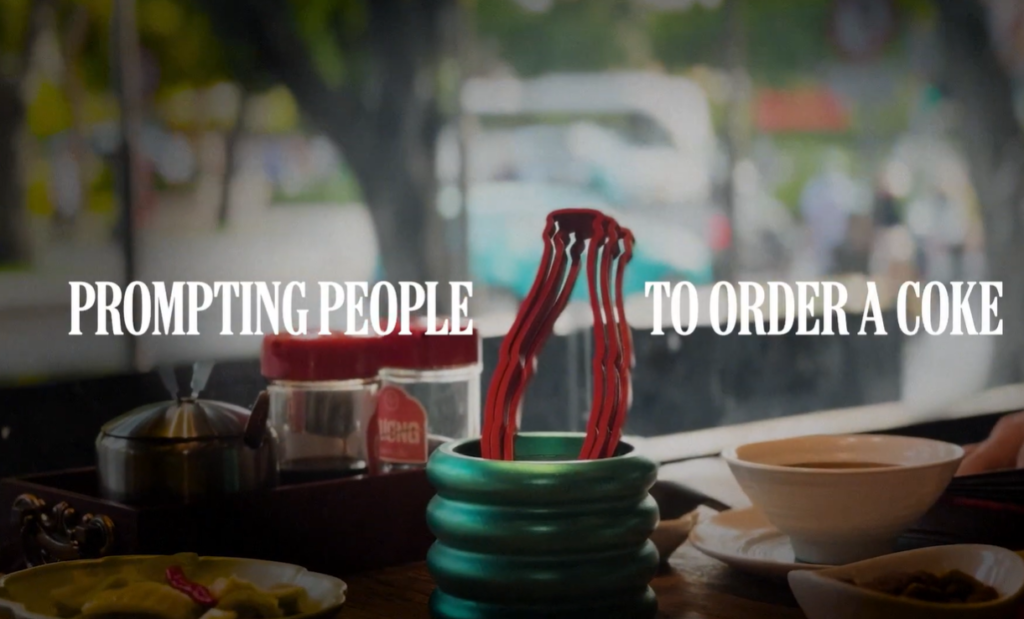
CokeSticks were placed where food decisions happen: restaurants, street food stalls, and delivery packaging across Southeast Asia. Key opinion leaders amplified the objects through their own content, turning every meal into a Coke moment without requiring a separate advertisement. The campaign reached 88,300 diners through organic reach alone, with approximately 500,000 through out-of-home placement and around 700,000 diners in total across the activation period.
Why the Approach Works
Coca-Cola has a documented history of solving the same problem in different cultural contexts. In 2016, the brand installed a Coke vending machine inside a football stadium in Lebanon, where red shirts were banned from the stands due to sectarian tensions, and fans of rival teams found themselves standing in a Coke-branded space as a neutral ground. CokeSticks applies the same logic at a smaller scale. Identify the moment where Coke is absent. Find the culturally specific object or ritual that defines that moment. Rebuild the brand equity through that object rather than around it.
A chopstick shaped like the contour bottle does not ask someone to choose Coke. It places the brand’s shape in their hand before they have opened the menu. The object does the work that an advertisement cannot do at a dining table.
Campaign Name: CokeSticks
Agency Name: Ogilvy
Brand Name: Coca-Cola
Location: Southeast Asia