Most Pride Month campaigns add a rainbow to an existing logo and move on. The brands worth studying are the ones that made a structural decision, whether about their product, their packaging, their platform, or their silence, that carried the weight of their stated position. Here are nine of those campaigns, with the context each one deserves.
Skittles: “Only One Rainbow” (2017, UK)
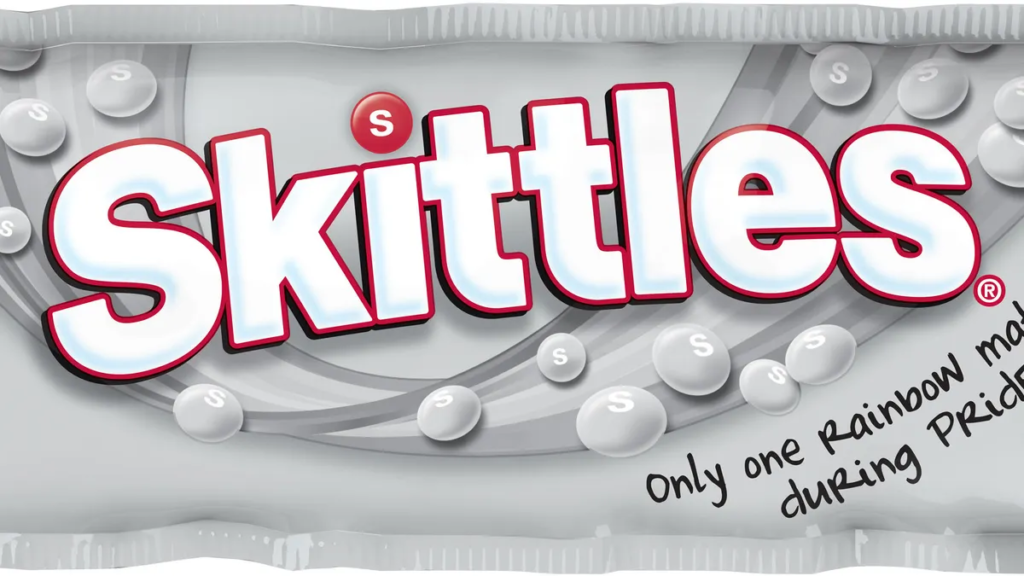
Skittles stripped the colour from its packs and sweets every Pride month, replacing its signature rainbow with all-white packaging bearing the line “During Pride, only one rainbow matters.” The brand donated a portion of every pack sold to LGBTQ+ charities, partnering with GLAAD in the US and Tesco in the UK. The campaign has run every year since 2016 and has consistently generated two contradictory responses: appreciation from LGBTQ+ audiences for the visual gesture of surrender, and criticism from others who found the use of whiteness to symbolise support for a community of colour uncomfortable. The debate recurs annually without resolution. The campaign continues regardless.
Burger King: “Pride Whopper” (Austria, 2022)
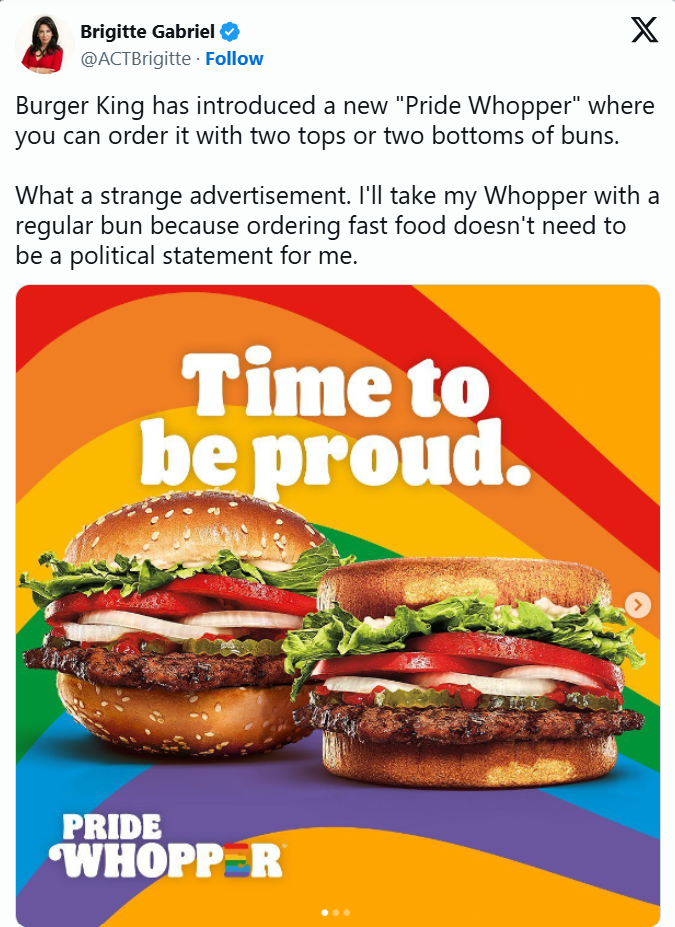
Burger King Austria served Whoppers in two configurations: one with two equal top buns, one with two equal bottom buns. The line was “Equal rights for every love.” The campaign went viral almost immediately, but not in the direction intended. The top/bottom bun configuration carries a specific meaning in gay cultural slang that Burger King Austria either did not know or chose to ignore, and the internet filled in the gap at considerable volume. The intent, visual symmetry as a metaphor for equal legal rights, was genuine. The execution handed critics an easy target and gave supporters almost nothing to defend. It is a useful case study in the gap between a stated message and how an audience actually decodes a visual.
LEGO: “Everyone Is Awesome” (2021)
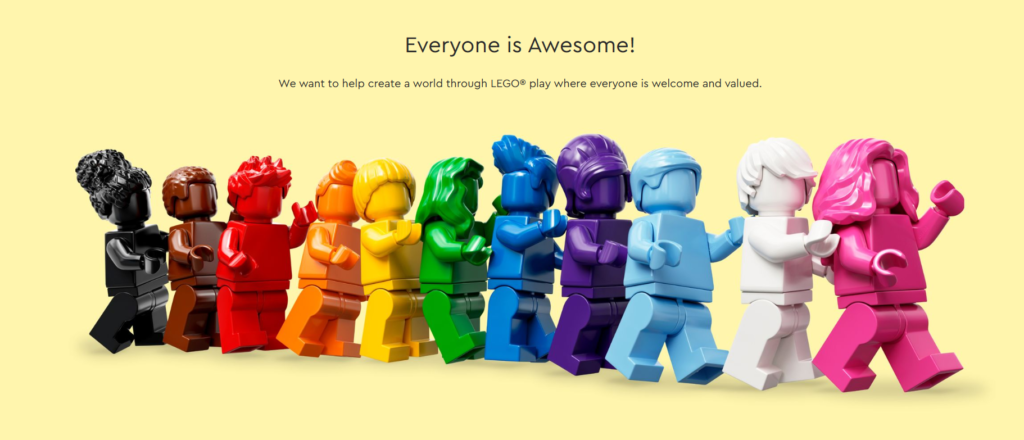
LEGO released a set of 11 monochrome minifigures in Pride colours, designed entirely by an in-house LGBTQ+ employee named Matthew Ashton. There was no agency. No campaign fanfare. No press strategy built around the announcement. The set went on shelves. Ashton explained its origins in a short statement. The quietness of the approach was noted almost universally as the thing that made it credible. A large brand, in a category historically cautious about social positioning, releasing a Pride set because an employee wanted to build it is a different kind of statement than the same set accompanied by a coordinated marketing rollout.
Tinder: “Traveller Alert” (ongoing since 2019)
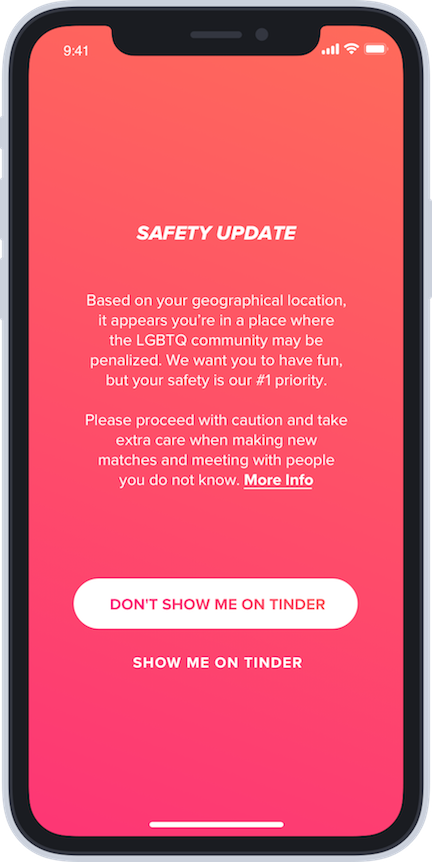
When a Tinder user opens the app in one of more than 70 countries where same-sex relationships are criminalised, the app automatically hides their sexual orientation from their profile and displays a safety alert explaining the local legal situation. No campaign. No press announcement at launch. A product decision that operates silently and continuously. This is the most consequential thing on this list because it addresses a physical safety risk rather than a reputational or awareness objective. Pride campaigns that affect how a product behaves in hostile jurisdictions are structurally different from campaigns that affect how a brand appears in supportive ones.
Absolut: “Kiss with Pride” (2017)
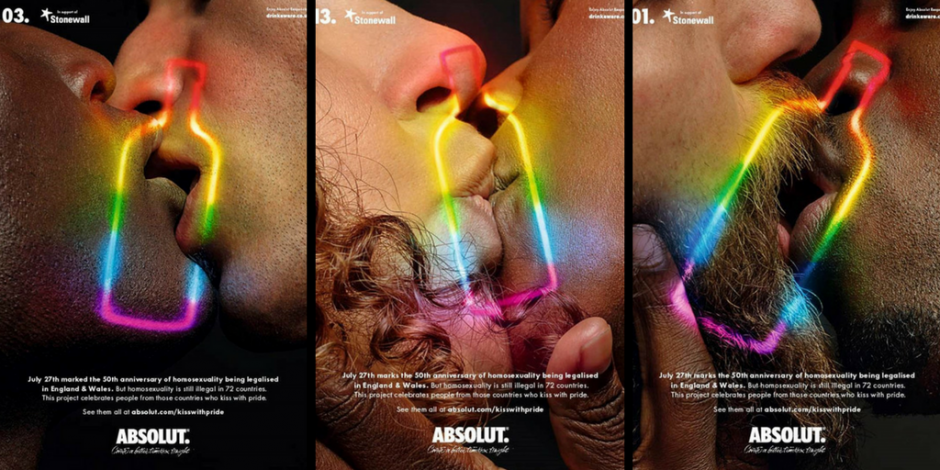
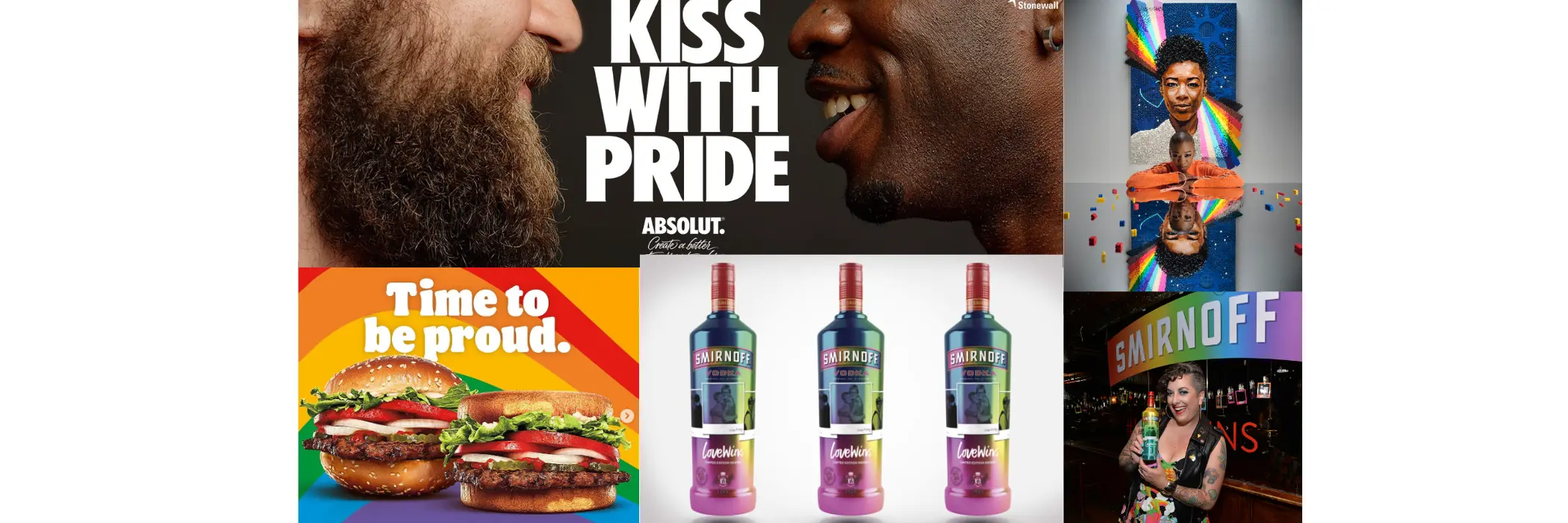
Absolut took footage of famous Hollywood kissing scenes and edited one of the characters to create same-sex couples in their place, effectively inserting queer representation into cinema history that had explicitly excluded it. The campaign is less a product communication than an act of visual revisionism, asking what film history might look like if the industry had not spent decades enforcing its own representational rules. The vodka brand is present but not central. The argument belongs to the images.
Mastercard: “True Name” (2019)
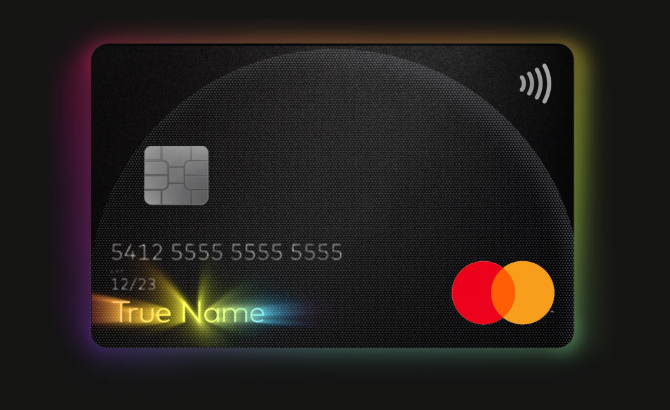
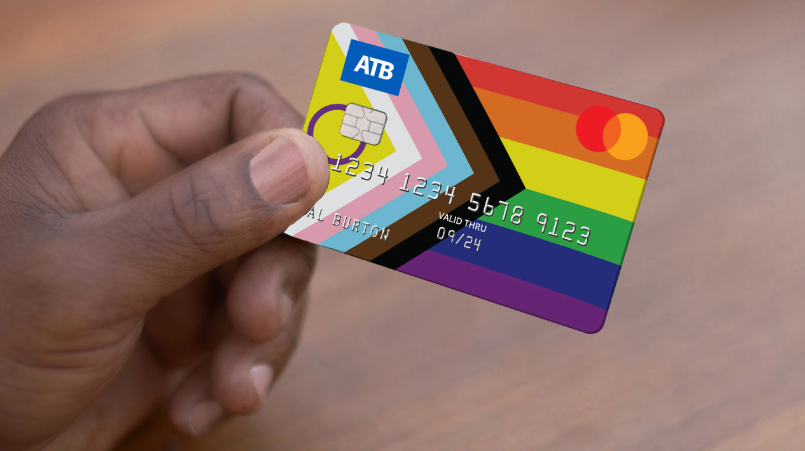
Mastercard allowed transgender and non-binary customers to use their chosen name on their credit and debit card without requiring a legal name change, acknowledging that legal name change processes are often slow, expensive, and inaccessible to many trans people. The product itself became the campaign. No packaging change. No limited edition. A change to what a payment card is allowed to say, made permanent, not seasonal, and designed to address a documented practical barrier in the lives of the community it was built for. Of everything on this list, it is the only one that permanently altered the product to serve the audience it was claiming to support.
Lush: “All Are Welcome, Always” (2022 onwards)
Lush pulled its brand entirely off Facebook, Instagram, TikTok, Snapchat, and Twitter in 2021, citing the documented harm those platforms cause to young and vulnerable users, including LGBTQ+ youth. The decision was made permanent rather than seasonal. Lush has not returned to those platforms. The Pride dimension is one layer of a broader decision about platform complicity in harm. A brand’s Pride campaign is typically its loudest annual social media moment. Lush chose to make its position visible by not being on the platforms at all. The absence is the statement.
Smirnoff: “Colour the Future” (2021)
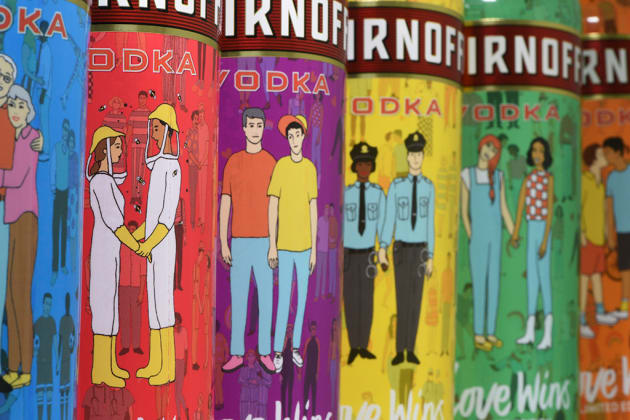
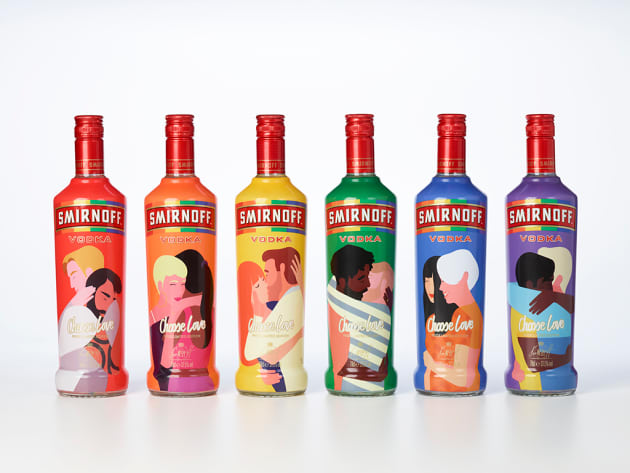
Smirnoff launched “Color the Future” in June 2021, framing it as a year-round commitment rather than a one-month Pride activation. The platform was built around intersectionality, explicitly acknowledging that the LGBTQ+ community includes people of colour, trans and non-binary people, varying religions, body types, ages, and income levels. To launch the campaign, Smirnoff partnered with The Mixx, a 25-year-old certified-diverse woman and LGBT-owned marketing agency, for an immersive cocktail and aura experience in Chicago’s historic Boystown neighbourhood. The brand also served as Gold Presenting Sponsor and Exclusive Vodka Partner of Chicago’s Pride in the Park, and hosted community-building events in LGBTQ+ neighbourhoods across the country throughout the year alongside grants to local LGBTQ+ organisations.
Bud Light: “Pride Pack” and the Dylan Mulvaney Moment (2023)
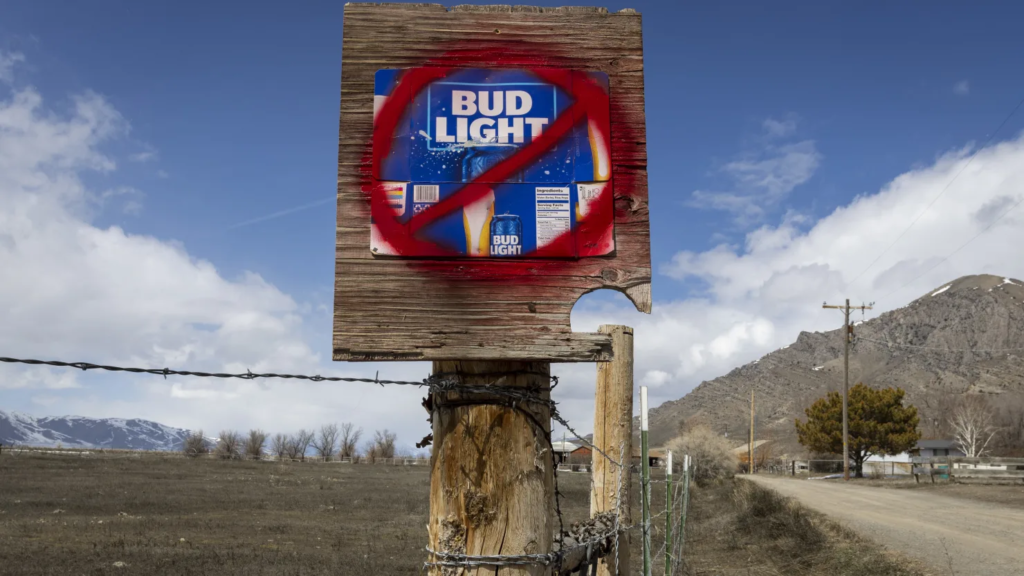
Bud Light sent a personalised commemorative can to transgender creator Dylan Mulvaney to mark her one year of publicly documenting her transition on TikTok. The can was not a national product launch. It was a single item sent to one person. The response, a sustained boycott coordinated primarily through right-wing media and conservative political figures, produced one of the most commercially significant brand backlashes in recent American marketing history. Bud Light’s sales volume declined sharply and persistently across months following the controversy. The parent company’s response, which included distancing itself from the activation and the individual who authorised it, drew equal criticism from LGBTQ+ advocates who described it as abandonment. The episode is now the primary case study in what happens when a brand makes a Pride-adjacent gesture without a prepared position for when that gesture becomes a political target.