Kenya has the highest per-capita milk consumption in Sub-Saharan Africa. 80% of that milk comes from smallholder farmers, nearly two million of them, most of whom depend on daily milk sales to cover daily expenses. When a cow gets sick and needs antibiotics, Kenyan law requires the farmer to stop selling the milk for three to five days. During that antibiotic withdrawal period, the milk carries residues that cannot legally or safely enter the food supply. The financial pressure on a low-income farmer without any other income source is immediate and acute. The result, documented in a study of peri-urban Nairobi, is that antibiotic residues are found in approximately one in four milk samples. The law exists. The incentive to break it is more powerful than the law.
Too Good, a Kenyan dairy brand, and The Partnership Agency in Nairobi found one structural intervention capable of removing that incentive entirely.
The Mechanism
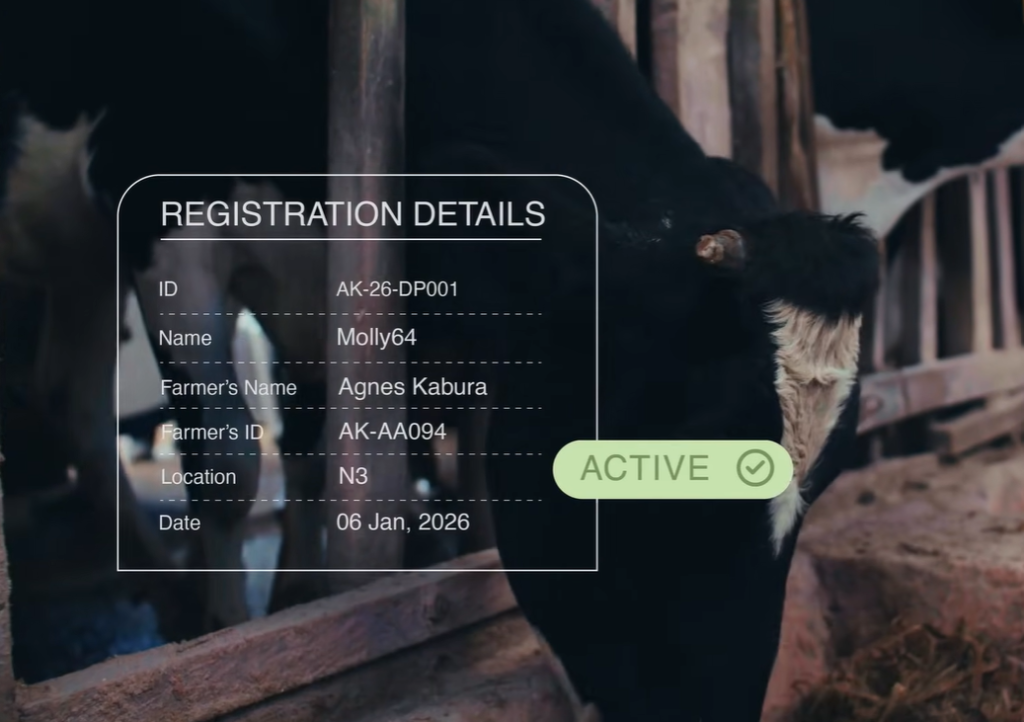
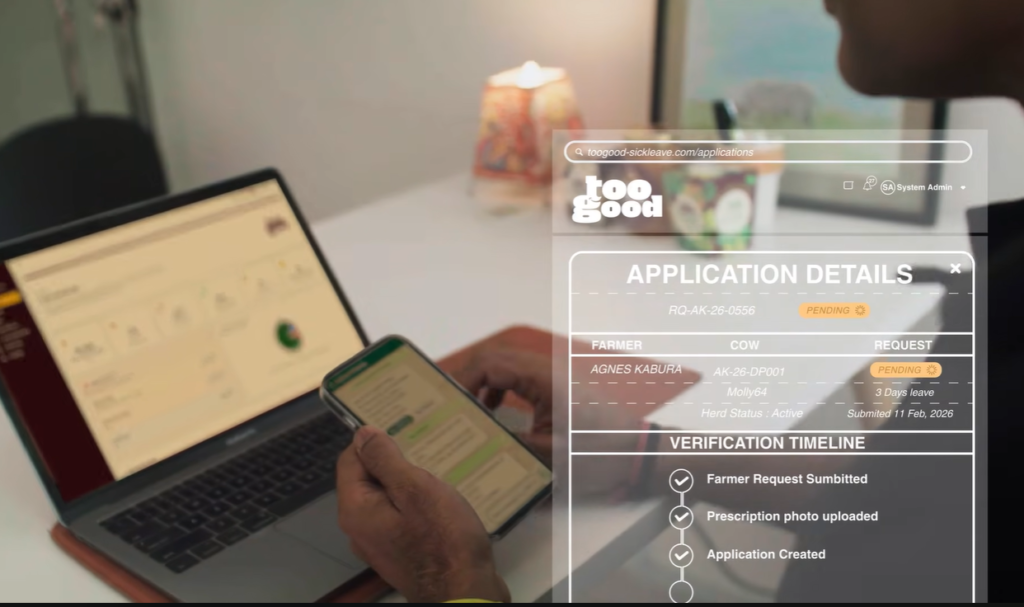
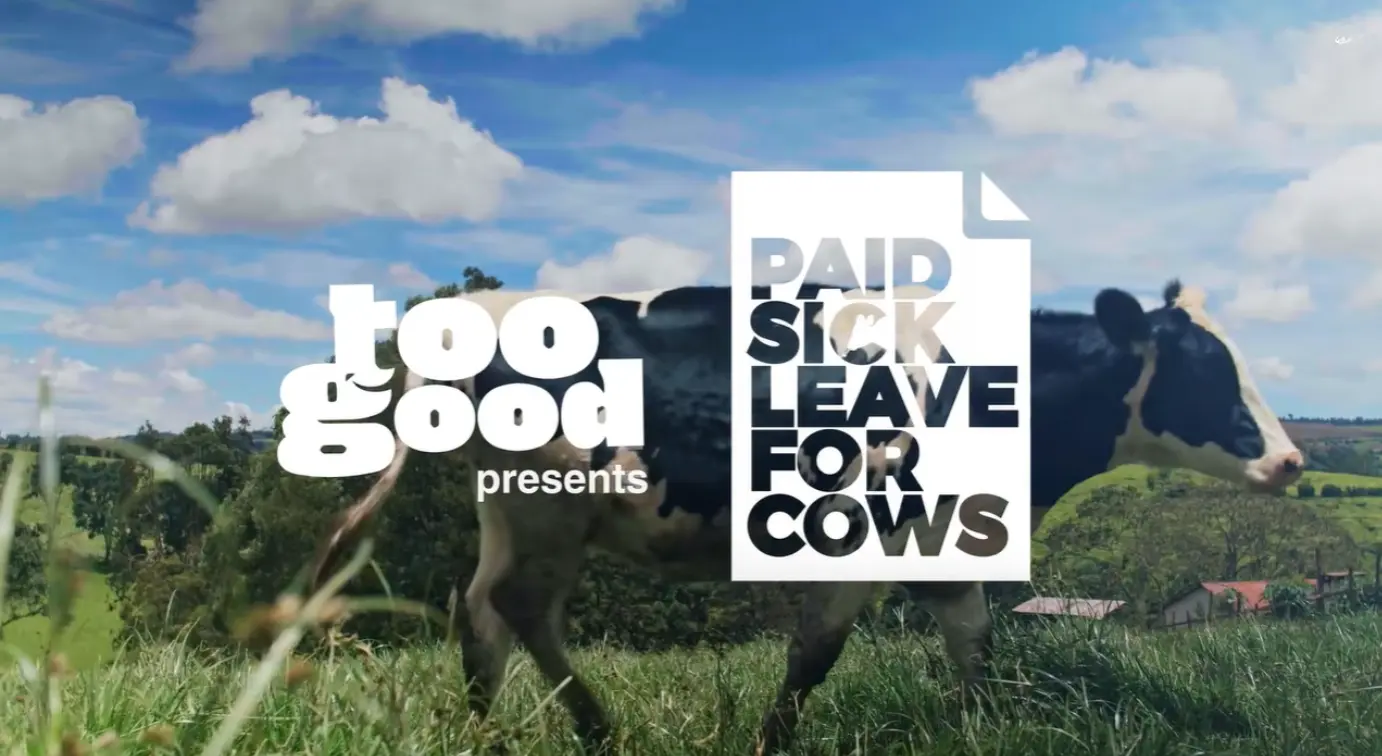
Paid Sick Leave for Cows is exactly what its name says. When a cow falls ill and requires antibiotic treatment, the farmer sends a WhatsApp message to Too Good. The brand validates the request and compensates the farmer for every day of lost income across the withdrawal period, covering the three to five days during which the cow’s milk cannot safely be sold.
The financial pressure disappears. The incentive to secretly sell contaminated milk disappears with it. The farmer reports the illness, isolates the milk, follows the food safety regulation, and loses nothing in the process. Too Good absorbs the cost.
The mechanics are simple by design. WhatsApp is the primary communication tool for smallholder farmers across Kenya. Validation is handled by the brand. No formal paperwork, no application process, no institutional barrier that would discourage a farmer from using the system at all.
The Results
Within eight months of the programme’s launch, Too Good had returned $27,000 directly to farmers for milk they were legally required to withhold. Farmer income across the programme was fully protected across every withdrawal period. The model is built to be replicated. Too Good has positioned the Paid Sick Leave structure as exportable to any dairy market facing the same financial pressure and the same public health consequences.
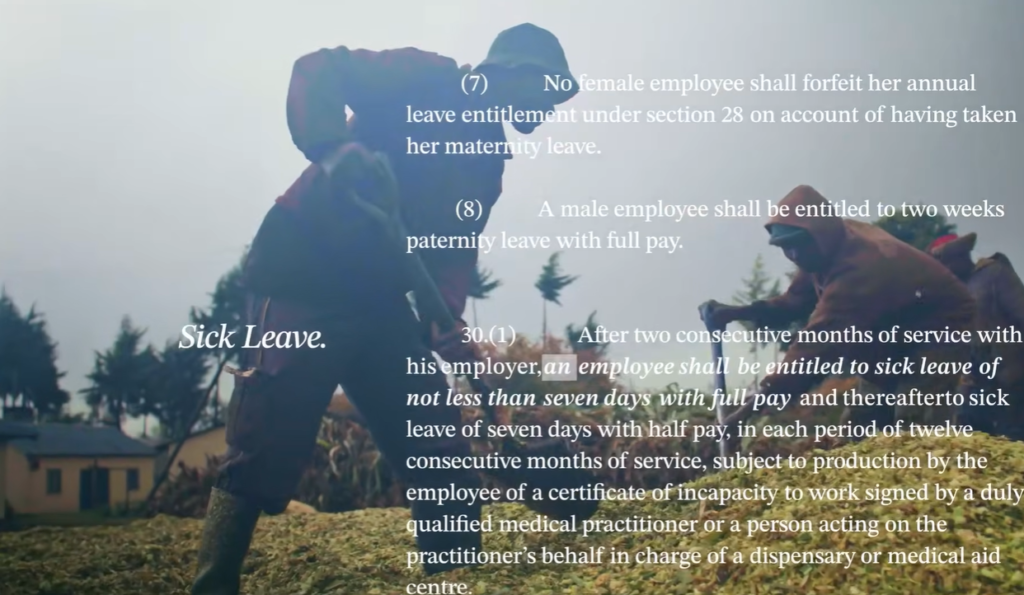
The reframing that makes the campaign legible as a campaign rather than simply a business decision is the language of labour rights. A cow receiving antibiotics is, within the programme’s framework, a worker entitled to sick leave and recovery time, with income protection for the duration. That framing turns a food safety problem into a question of fair pay, a structural inversion that makes the solution feel both logical and inevitable rather than charitable.
Kenya’s First Cannes Grand Prix
At Cannes Lions 2026, Paid Sick Leave for Cows won the Grand Prix in the Sustainable Development Goals Lions category, the award’s most demanding category because it measures real-world impact rather than craft or media innovation alone. The jury reviewed 289 entries and awarded nine Lions total. The Grand Prix went to Nairobi. It is the first in Kenya’s history.
Jha, representative of The Partnership Agency, described the significance: “This Grand Prix is a testament to our people, our clients who trust us to think differently, and a culture that believes creativity can make a meaningful difference. We hope it’s not just a milestone for us, but another step forward for Kenyan and African creativity on the global stage.”
The SDG Lions category rewards work measured by the scale and permanence of the change it creates in the world, not the scale of the budget that funded it. Paid Sick Leave for Cows wins that category because the 27,000 dollars returned to farmers in eight months is money that came directly from a brand deciding to absorb a cost that the food safety system had previously placed on the people least able to carry it. The contaminated milk that did not enter the food supply is the campaign’s actual output. Kenya’s first Grand Prix is its receipt.
Why It Works Structurally
Most food safety interventions work through enforcement: testing, fines, inspections, and penalties that raise the cost of non-compliance. All of them depend on catching people after the fact, which requires resources that low-income agricultural markets rarely have in sufficient quantity to deter the behaviour they are designed to prevent.
Paid Sick Leave for Cows works through incentive redesign. It does not make it harder to sell contaminated milk. It makes it financially unnecessary to sell contaminated milk in the first place. The incentive that was generating the public health risk is removed, not punished. That difference, between raising the cost of bad behaviour and eliminating the reason for it, is the structural innovation that the SDG jury recognised.
Campaign Name: Paid Sick Leave for Cows
Agency Name: The Partnership Agency, Nairobi / Production: Fingerprint Films, Mumbai
Brand Name: Too Good
Location: Kenya