Payment cards have been getting flatter and more uniform for a decade. The raised numbers that once gave cardholders tactile feedback are gone. The embossed names are gone. The physical distinction between a credit card and a debit card has been reduced to text that requires sight to read. For 2.2 billion people worldwide living with some form of visual impairment, that evolution in card design created a growing problem that the industry had not addressed. Mastercard fixed it with three notches.
The Problem Nobody Had Solved
Payment cards originally carried embossed numbers because merchants needed to make physical impressions of those numbers using carbon packets and a manual imprinting device. The tactile quality was functional, not designed for accessibility, but it was there. As digital point-of-sale terminals replaced manual processing, the embossed features lost their operational purpose and began disappearing from card design. Modern flat cards look cleaner and work the same way at a terminal. For someone with full vision, the transition is seamless. For someone relying on touch to identify which card they are holding, the flat card era made independent financial management significantly harder.
Mastercard’s chief marketing and communications officer, Raja Rajamannar framed the stakes directly: “For the visually impaired, identifying their payment cards is a real struggle. This tactile solution allows consumers to correctly orient the card and know which payment card they are using.”
Three Notches, Three Card Types
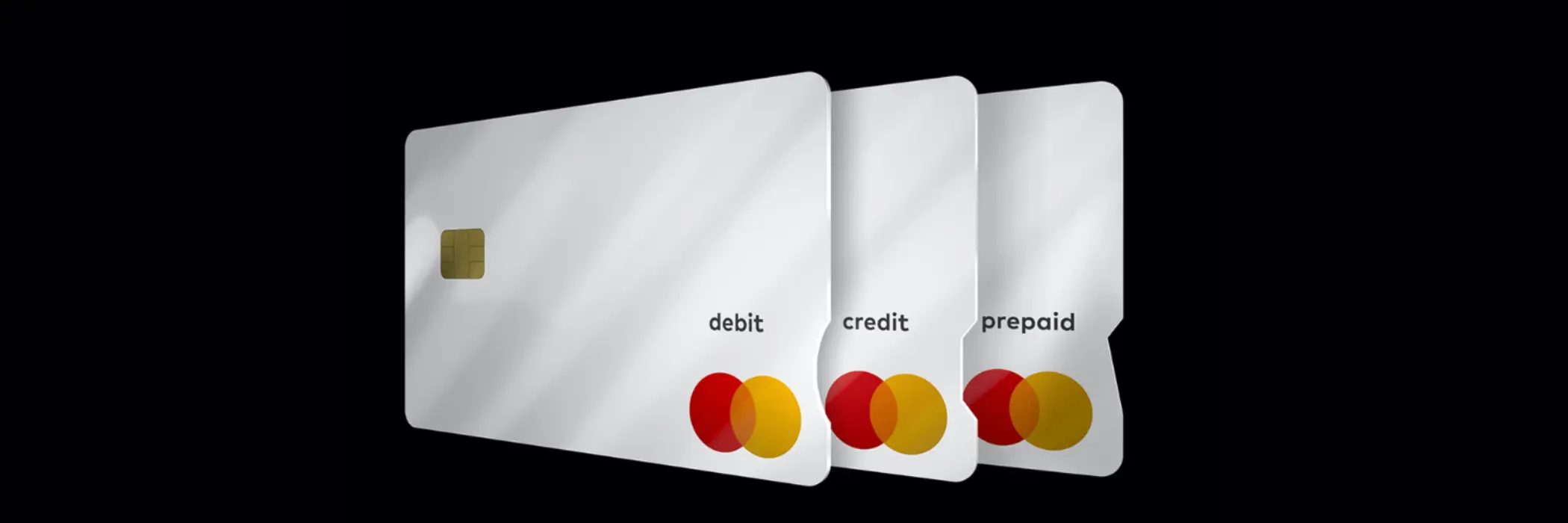
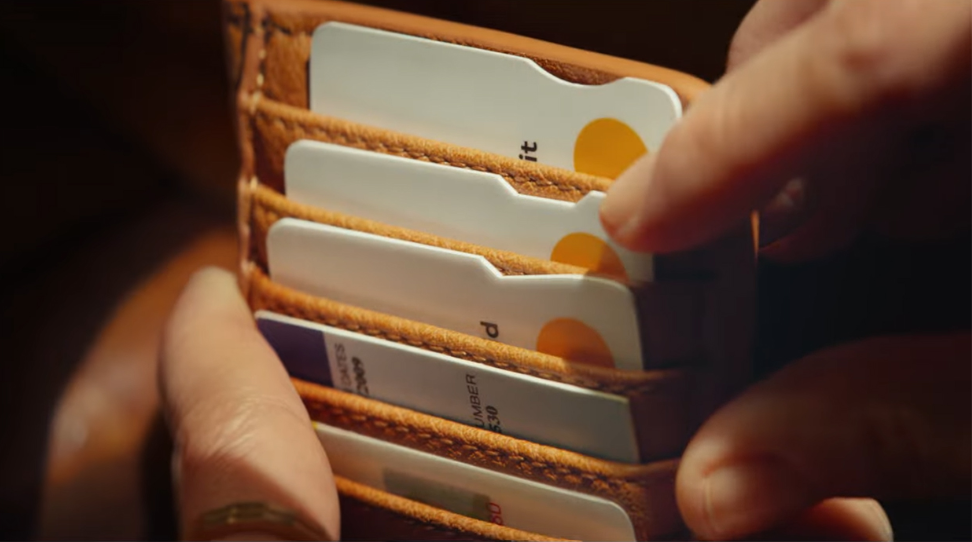
The Touch Card solution is structurally minimal. A square notch cut into the top edge identifies a credit card. A round notch identifies a debit card. A triangular notch identifies a prepaid card. Three distinct shapes that a fingertip can identify in under a second, without any visual reference required. The card is oriented correctly when the notch sits at the top right. The user knows which card they are holding before it leaves their wallet.
The Touch Card was co-designed with IDEMIA, the global identity technology company, and works across both point-of-sale terminals and ATMs without any modification to existing infrastructure. Issuing banks do not need to change their systems. They need only adopt the notch standard when producing cards.
Who Endorsed It
The Royal National Institute of Blind People in the UK and VISIONS/Services for the Blind and Visually Impaired in the US both formally vetted and endorsed the Touch Card standard before launch. RNIB’s director of services, David Clarke, described the endorsement’s basis clearly: blind and partially sighted people must have equal and independent access to their own finances. That access had been eroding quietly as card design evolved, and the RNIB’s backing of the Touch Card was a formal acknowledgement that the industry owed a correction.
The Ad That Was as Accessible as the Product
McCann New York produced the launch film, titled “Spotlight,” which runs for 80 seconds and was designed to be as accessible as the card it introduces. The commercial is narrated with full audio descriptions for blind viewers, a deliberate choice that extended the campaign’s accessibility mandate from the product into the advertising itself. The film stars Marilee Talkington, an actress who is legally blind, in the central role. The production decision to cast a blind performer rather than a sighted one playing blind reflects the same logic as the card design: genuine inclusion rather than symbolic representation.
The Global Rollout
Ajman Bank in the UAE became one of the first financial institutions globally to issue the Touch Card to customers, with CEO Mohammed Amiri describing the partnership as a commitment to inclusion as a core aspect of corporate responsibility. Westpac in Australia subsequently adopted the Touch Card standard across all three card variations for eligible customers with vision impairments, available upon request. The standard is designed to scale across any bank or issuer in Mastercard’s global network without requiring infrastructure changes.
Rajamannar connected the Touch Card to a broader Mastercard accessibility platform. The brand had previously embedded its signature checkout melody across more than 150 million point-of-sale terminals worldwide, a sonic confirmation that a card transaction has been approved, designed specifically to give visually impaired users reliable feedback at the moment of payment. With one in seven people globally experiencing some form of disability, both the audio and tactile innovations address the same structural gap: payment systems that were designed for the majority and retrofitted, imperfectly, for everyone else.
What the Campaign Represents
The Touch Card is a product innovation that generated a campaign, not the other way around. The advertising is secondary to the change in the card itself. That sequence is what gives the “Spotlight” film its credibility. McCann New York was not being asked to make a social responsibility statement feel real. They were being asked to communicate a product that already was what it claimed to be.
Rajamannar put the underlying principle plainly: “Innovation should always be driven by the impulse to include.” Three notches on a payment card had never been done before. They cost nothing to implement at scale. They solve a problem that 2.2 billion people live with every time they reach for their wallet. The campaign’s job was simply to make sure those people knew the solution existed.
Campaign Name: Touch Card / “Spotlight”
Agency Name: McCann New York / Card co-design: IDEMIA
Brand Name: Mastercard
Location: Global (launched in the United States and the United Kingdom; rolled out across UAE, Australia, and additional markets)