The Super Bowl halftime show is the most-watched musical performance in the world. A 30-second advertising slot during the game costs approximately $7 million. UVA, a Puerto Rican delivery app competing against global giants including Uber Eats, DoorDash, and Rappi, had no plans to buy one. It had something more valuable: a lyric in a Bad Bunny song.
The Cultural Coincidence That Became the Campaign
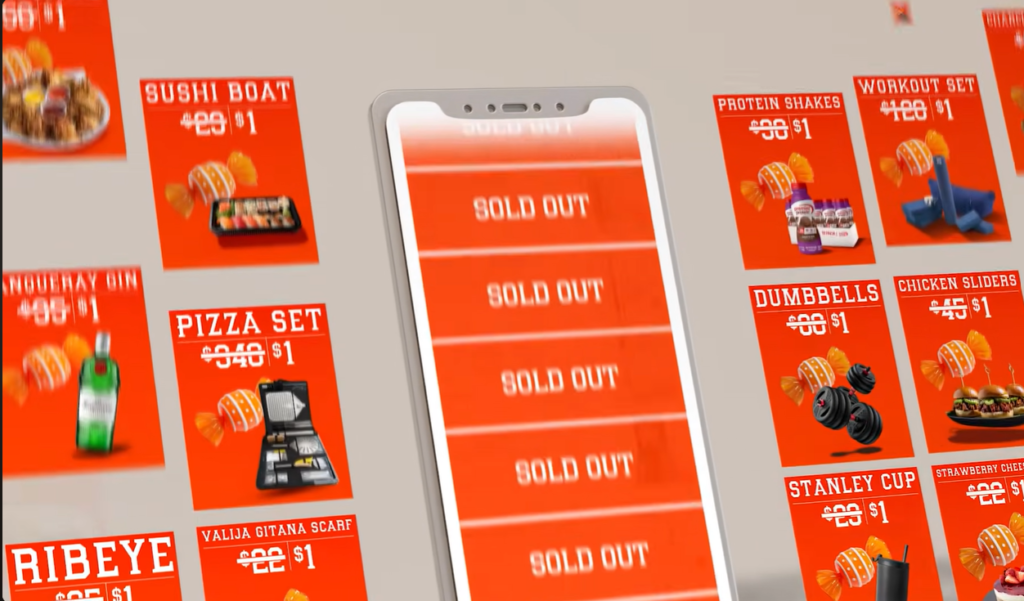
Bad Bunny’s “Tití Me Preguntó,” one of his most globally recognised tracks, contains the lyric “Una dominicana que es Uva bombón… Uva, uva bombón.” In Puerto Rico, “uva” is a colloquial expression used to call someone physically attractive or to signal that something is excellent. It is also the name of a delivery app. When CBS announced in late 2025 that Bad Bunny would headline Super Bowl LX’s halftime show, De La Cruz Ogilvy in San Juan identified the overlap immediately.
The agency and the brand built the entire campaign around a single strategic bet: that Bad Bunny would open his set with “Tití Me Preguntó.” Not a guarantee. A calculated probability, based on the song’s cultural weight, its position in his live setlist history, and the fact that an opening number at the Super Bowl almost always leads with the artist’s most recognisable material.
In the days leading up to game day, UVA told its users publicly: if Bad Bunny performs “Tití Me Preguntó,” an exclusive offer will unlock inside the app. The announcement invited fans to comment on social media and actively request that Bad Bunny include the song. The brand was not just building anticipation for its own promotion. It was a crowdsourcing campaign, amplified by making fans participants in whether the promotion would happen at all.
The Activation
Bad Bunny opened Super Bowl LX with “Tití Me Preguntó.” The moment the lyric was sung on the world’s biggest stage, UVA’s in-app promotion triggered automatically. A curated selection of products became available for $1 each, accessible only for the duration of the show or until stock ran out.
Every item sold out before the halftime performance ended.
The activation required no television spot, no broadcast media buy, and no sponsorship relationship with the NFL or CBS. It required a lyric, a coded in-app trigger, and the nerve to prepare a real-time commerce event for the most-watched musical performance in the world without any official guarantee that the song would be performed.
Sebastián Bullorini, Chief Creative Officer at De La Cruz Ogilvy, framed the campaign’s origin with precision: “Uva Uva Bombón was born from observing a conversation that already existed in the culture and transforming it into an experience capable of generating real results for the business.”
Thais Frazao, Chief Strategy Officer at Ogilvy Latina, described the significance beyond the mechanics: “It is an astonishing example of how a local Latin brand can triumph in a global event like the Super Bowl, which is not part of our culture, without losing its essence and local audacity.”
Why It Is Structurally Different From Other Real-Time Marketing
Real-time marketing has existed as a category since Oreo’s “You can still dunk in the dark” Super Bowl tweet in 2013. The difference between most real-time marketing and UVA Uva Bombón is the difference between reacting to a cultural moment and building a commerce mechanism inside one before it happens.
The Oreo tweet required a social media team watching a power outage and responding within minutes. The UVA activation required months of preparation, a triggered in-app commerce system, a public pre-announcement that doubled as fan mobilisation, and the operational readiness to sell products at $1 to every user who opened the app at the same moment globally.
The campaign converted passive viewership into active commerce in real time. Every Puerto Rican watching Bad Bunny at the Super Bowl had an incentive, previously seeded by the brand, to open the UVA app the instant they heard “Uva Uva Bombón.” The watching experience was not interrupted. The brand became part of it.
The Cannes Recognition
At Cannes Lions 2026, Uva Uva Bombón won the Grand Prix in Direct, the Grand Prix in the Challenger Brand sub-category, alongside two Silver Lions in Media and Social and Creator, and a Bronze Lion in Entertainment for Music. The campaign was submitted under the Direct category’s Challenger Brand designation, reflecting that UVA is a local platform without the media budget of its global competitors.
The Direct Lions jury cited the campaign’s ability to earn Super Bowl-level cultural relevance and deliver measurable commercial results through cultural timing rather than paid media spend. The Contagious citation described what the result confirmed: the campaign “proved the power of culture-driven, real-time commerce.”
Puerto Rico finished Cannes Lions 2026 with two Grand Prix, two Silver Lions, and two Bronze Lions across the festival week, its strongest individual showing in the festival’s history. The island’s second Grand Prix came from De La Cruz Ogilvy for UVA on Day 3, following BBDO Puerto Rico’s Audio and Radio Grand Prix for “Coquí Alarmed” for Hyundai on Day 1.
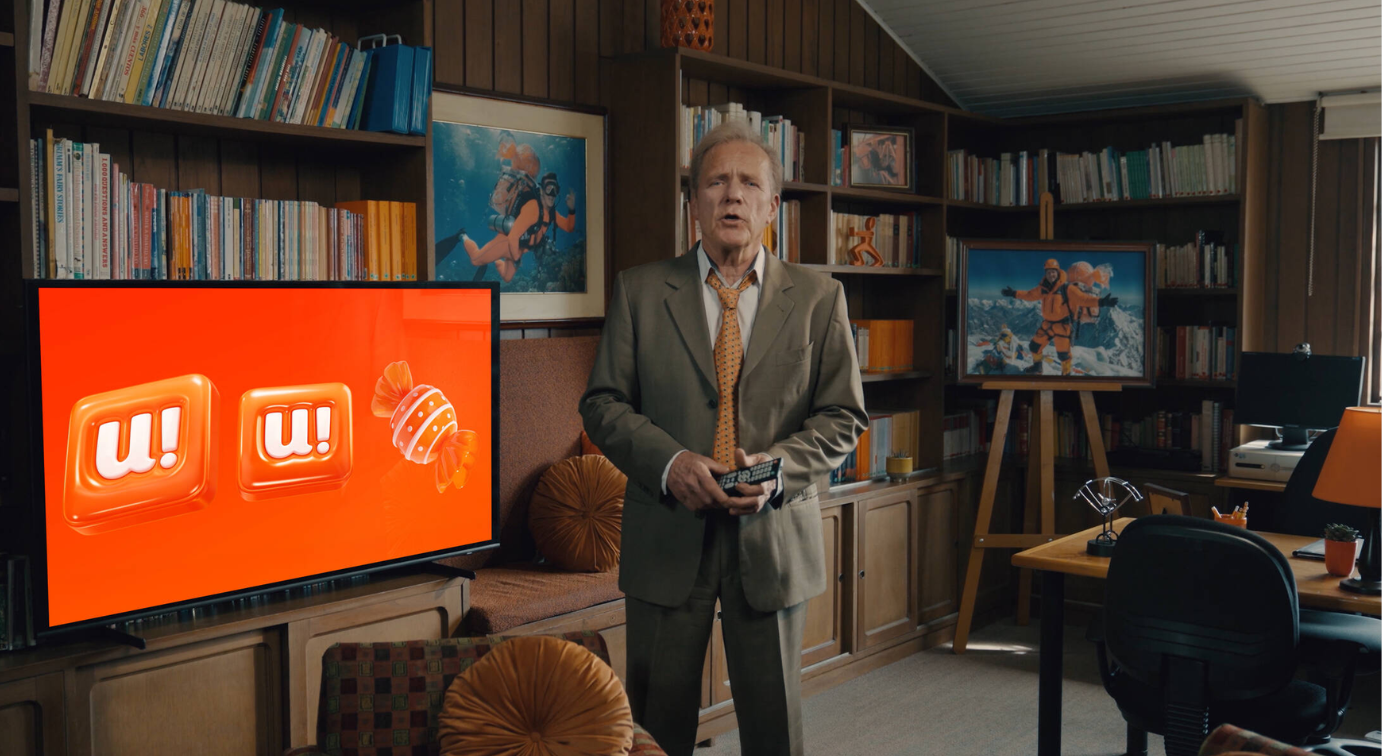
Campaign Name: Uva Uva Bombón
Agency Name: De La Cruz Ogilvy, San Juan, Puerto Rico / Production: Agosto Music (Lima) / Post-production: Celeste Films (Montevideo)
Brand Name: UVA App
Location: Puerto Rico and United States (Super Bowl LX halftime show, February 2026)