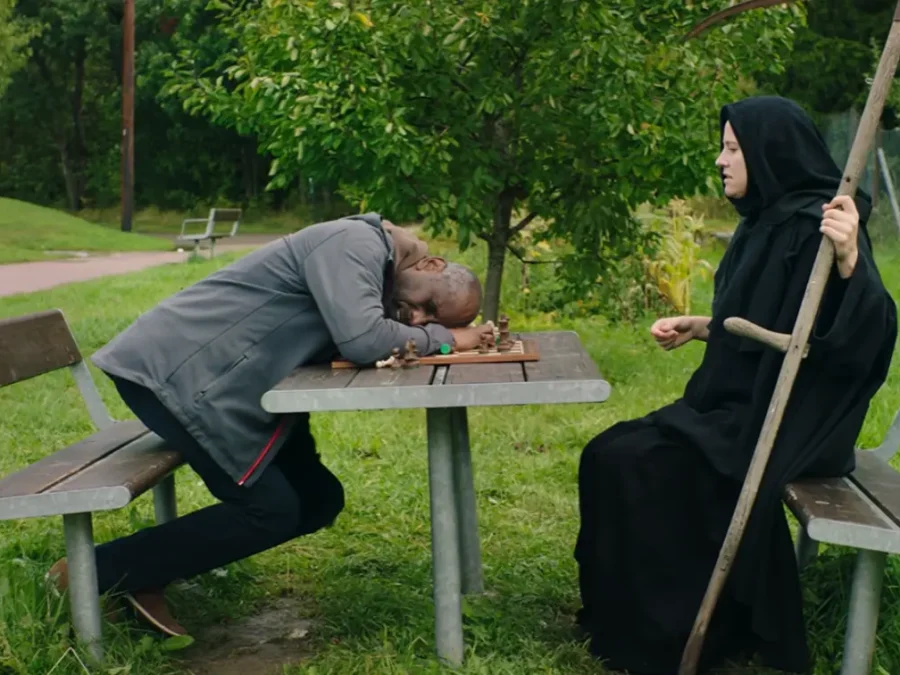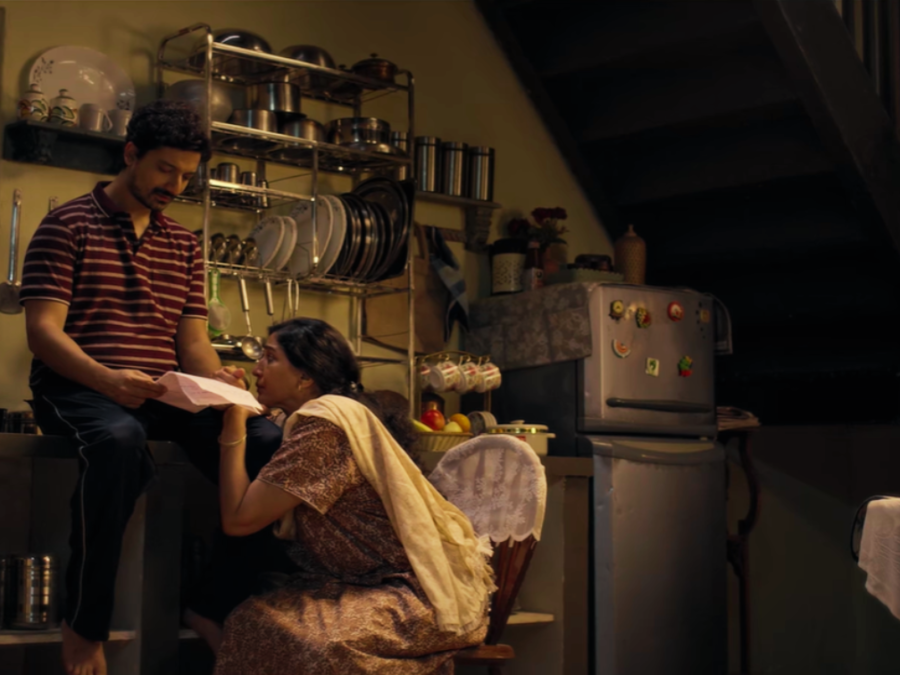

Most health awareness campaigns tell people to check themselves. Melanoma Focus identified a specific anatomical problem with that instruction and built a campaign around it. The scalp and neck are the areas where one in four melanoma cases in men occur. They are also the areas that almost no person can easily examine without help. A barber, however, sees them every few weeks, at close range, in good light, and with a professional’s eye for what is and is not normal on a person’s head. The campaign, “The Life Saving Haircut,” asked one question: Why does no one train them to look?
The Problem the Campaign Identified
More than 19,000 new melanoma cases are diagnosed in the UK each year. Melanoma is the deadliest form of skin cancer when not caught early. The survival rates change dramatically between early and late stage detection, with early-stage melanoma carrying a five-year survival rate well above 90%. The challenge is that the cancers most likely to go undetected in men are the ones on the back of the neck, behind the ears, and across the crown of the scalp, precisely the zones that require another person to examine properly.
Research from the University of Portsmouth, published in May 2025, confirmed what the campaign’s premise assumed. A study of 37 barbers and hairdressers in the city found that while only 5% had received any formal skin cancer training, nearly a quarter were already regularly noticing suspicious skin changes on clients’ scalps, necks and faces. Rates of melanoma in Portsmouth are approximately 26% higher than the England average, making the region one of the most affected in the country.
A Harvard School of Public Health study had already established the structural case years earlier: most people make ten or more visits per year to their barber or hairdresser, and those professionals look more carefully at the scalp than most physicians do during routine appointments. The access is already there. The training is not.
What the Handbook Contains
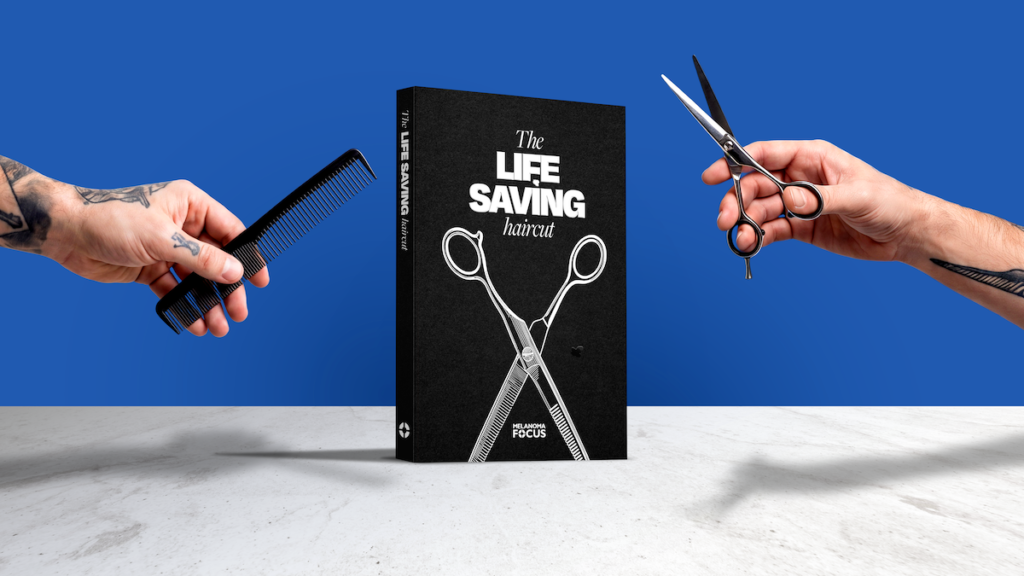
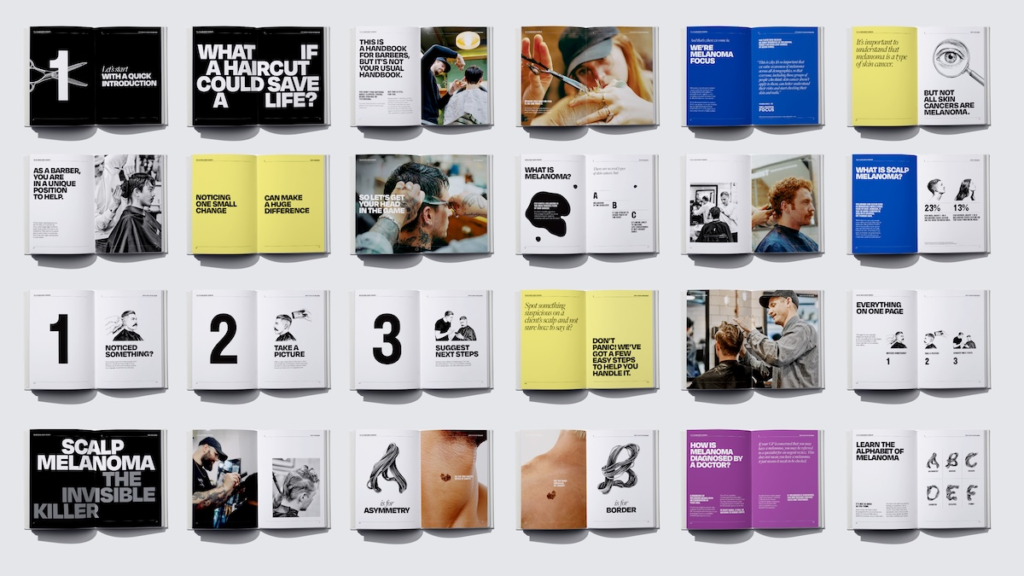
The Life Saving Haircut handbook does not attempt to turn barbers into dermatologists. That is not its aim, and it says so directly. The guide teaches barbers enough to know what an unusual mole or lesion looks like, how to distinguish a concern from an ordinary mark, and how to start the conversation with a client in a way that is practical rather than alarming. The outcome the handbook is designed to produce is not a diagnosis. It is a GP appointment.
The ABCDE guidelines for melanoma, which cover Asymmetry, Border, Colour, Diameter, and Evolution, are presented in accessible language with visual reference material appropriate for a professional working environment rather than a clinical setting. The handbook gives barbers a vocabulary and a framework. The rest is a human conversation between someone who noticed something and someone who did not know it was there.
The Production
The campaign was developed entirely pro bono by independent creative directors Michele Bona, Chiara Biondi, and Michael De Piano, whose professional backgrounds span AMV BBDO and Saatchi & Saatchi. A launch film was shot at Ruffians, one of London’s established barbershop groups, with industry professionals and independent shop owners volunteering their time. The film includes real accounts from barbers who have already flagged potential concerns to clients, with several cases having led to early diagnoses.
The handbook launched in May 2026 to coincide with Skin Cancer Awareness Month. A limited print run is being distributed to barbershops and barber schools across the UK. A digital version is available to download directly from the Melanoma Focus website, allowing any barber in the country to access and print the guide without cost.
Susanna Daniels, CEO of Melanoma Focus, described what the campaign puts in a barber’s hands: “Barbers are in a privileged position, seeing the same clients regularly. This handbook can help them to notice a mole that has changed, looks odd, or is new.” Michele Bona described the team’s experience of working on it: “It was truly a privilege for us to put our creativity at the service of prevention for an important cause like this one.”
The Wider Landscape
The Life Saving Haircut sits inside a growing movement to use non-clinical settings and unexpected messengers to reach populations who under-engage with formal healthcare. Barbers in the United States have been used in hypertension screening programmes in Black communities, where barbershop visits are a regular part of cultural life and clinical avoidance is high. Australia’s New South Wales government launched a formal “Spot a Spot” online training course in 2023, developed with the Australian Melanoma Research Foundation and targeted specifically at hairdressers, barbers and beauticians. The premise in each case is the same. The access already exists. The knowledge does not. Closing that gap costs almost nothing, and the return is a diagnosis that might otherwise arrive too late.
Campaign Name: The Life Saving Haircut
Agency Name: Michele Bona, Chiara Biondi, Michael De Piano (pro bono)
Brand Name: Melanoma Focus
Location: United Kingdom (national distribution to barbershops and barber schools)