Every year on April 30, Reporters Without Borders releases its World Press Freedom Index. Every year, it produces a campaign to go with it. Most advocacy organisations mark the occasion with statistics and press releases. In 2026, RSF and agency The Good Company invented a fictional airline.
The Idea
Reporters Airlines is a campaign built around one of the most universally recognised formats in modern life: the in-flight safety card. Every passenger on every commercial flight knows the format. Seat belt fastening. Emergency exit location. Flotation device instructions. The laminated card or seatback screen is designed to communicate critical safety information in a calm, reassuring, standardised way.
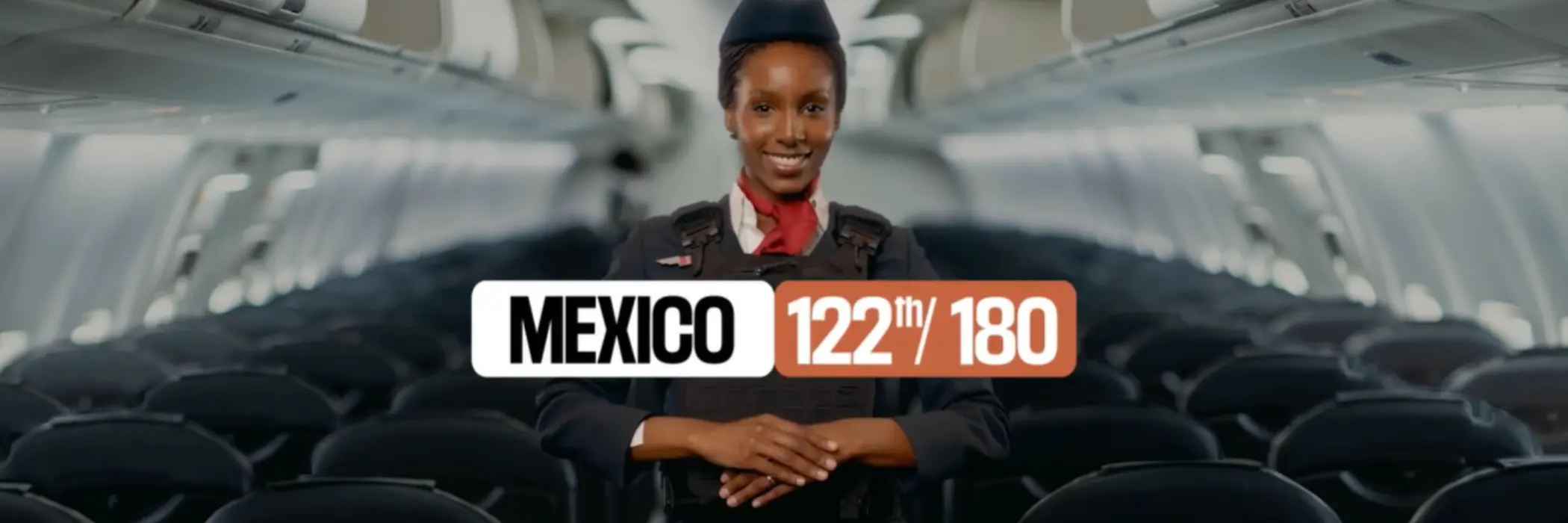
RSF and The Good Company kept the format intact and changed only who it was for. In the Reporters Airlines, the safety instructions are not for passengers. They are for journalists. Each card and each film is adapted to a specific destination, translating the actual risks a reporter faces on the ground into the visual language of pre-flight safety procedures.
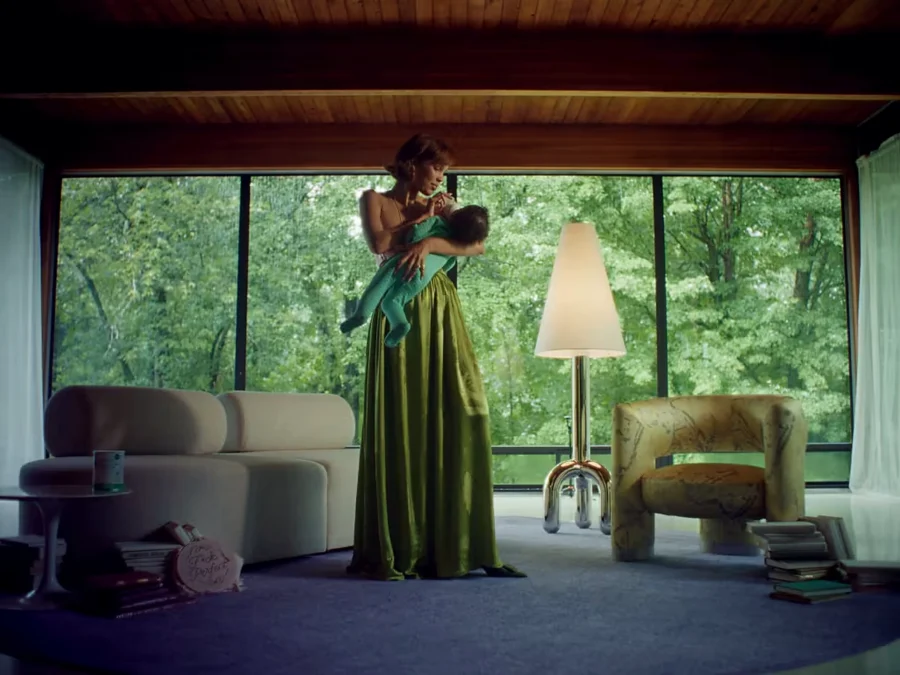
Three films were produced, each featuring a flight attendant performing the safety demonstration for a specific country. Vietnam ranks 174th on the 2026 Index. Mexico ranks 122nd. Tanzania ranks 117th. The tone stays within the calm register of a standard airline safety video throughout. The contrast between the format’s reassuring familiarity and the content it delivers is where the campaign does its work.
The Numbers Behind It
The 2026 World Press Freedom Index is RSF’s 25th edition and its most alarming. For the first time in the organisation’s history, over half of all 180 countries and territories surveyed fall into the “difficult” or “very serious” categories for press freedom. That figure was 13.7% in 2002. It is 52.2% in 2026. The share of the world’s population living in a country where press freedom is considered “good” has dropped from 20% to less than 1%. Only seven countries, all in northern Europe, still qualify.
Press freedom has declined in 100 out of 180 countries this year. The legal indicator has seen the steepest fall, reflecting a global trend toward the criminalisation of journalism through national security laws, anti-terrorism legislation, and emergency powers. More than 60% of countries have used some form of law to restrict media workers. The United States dropped seven places to 64th, with RSF citing what it describes as a systematic policy of attacks on the press and journalists. More than 220 journalists have been killed in Gaza, making the Israeli military the single largest killer of journalists tracked in the current Index period.
How the Campaign Was Deployed
The three Reporters Airlines films ran across digital out-of-home screens in major French train stations, where commuters encounter the safety card format in a context completely removed from air travel. Print executions ran across the Paris metro, train stations, and press placements. Radio adaptations carried the audio of the safety instructions across broadcast channels.
Digitally, the campaign extended to BeReal and Meta with illustrated safety cards drawn in the visual style of actual in-flight cards. A teaser phase on social media gradually built the Reporters Airlines brand as a fictional entity before the full campaign launched, allowing the audience to encounter the airline as if it were real before the message revealed itself.
Hadi Hassan-Helou, Creative Director at The Good Company, described the intent directly: “There are some issues where communication isn’t enough. You have to take a stand. Press freedom is one of them. What journalists experience in many countries is unbearable and too often invisible. Reporters Airlines is our way of making that reality impossible to ignore.”
Thibaut Bruttin, Director General of RSF, framed what the campaign delivers beyond awareness: “The Good Company delivered a campaign that uses humour to highlight the serious decline in journalists’ safety in recent years. It is a warning to the public, both as citizens concerned about threats to journalism and as travellers visiting destinations where press freedom isn’t guaranteed.”
Why the Format Works
The safety card format carries specific psychological weight. It exists to prepare people for danger in a context where danger feels unlikely. That tension, between reassurance and threat, is the entire mechanism of the campaign. A journalist covering a story in Vietnam, Mexico or Tanzania does not board their flight with the same expectation of safety that a tourist does. Reporter Airlines makes that distinction visible by putting both people in the same seat, following the same instructions, with entirely different stakes.
The campaign does not attempt to explain RSF’s work or solicit donations in its primary creative execution. It asks audiences to sit with a single question: what would the safety card look like if it were designed for the person reporting the news instead of the person reading it?
Campaign Name: Reporters Airlines
Agency Name: The Good Company
Brand Name: RSF (Reporters Without Borders)
Location: France (Paris, national deployment); Global digital distribution